Marine Biology Family Vacation Experiences – Unlock Ocean Adventures & Perfect Gear
The appeal of marine life immersion for families
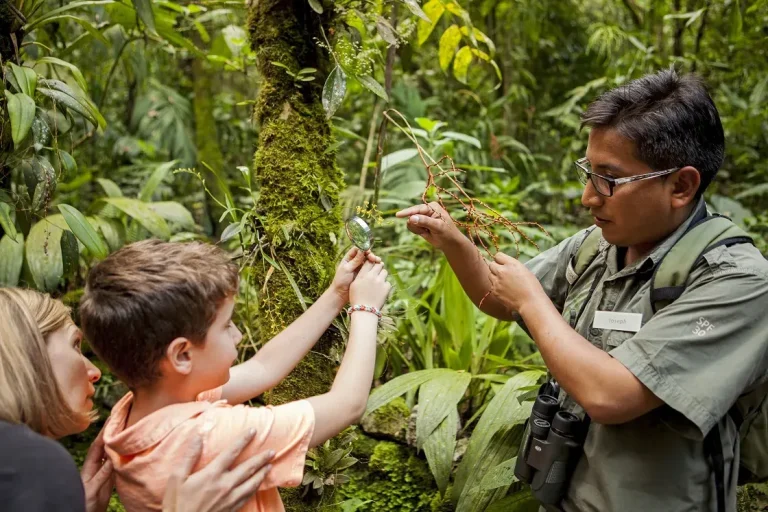
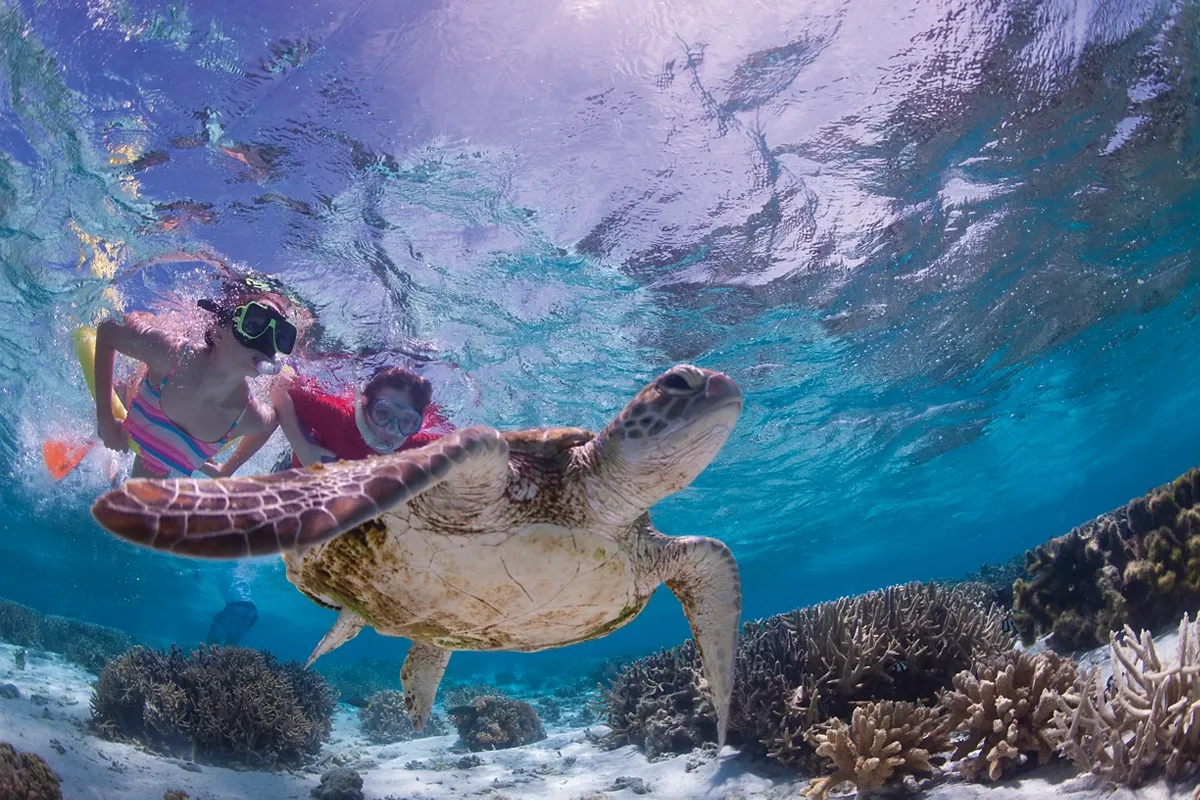
Embarking on a marine biology‐based vacation means diving deeper (literally and figuratively) into nature. Instead of just relaxing on the beach, your family can explore tide pools, snorkel among coral reefs, attend guided shore walks, and learn about marine ecosystems together. This transforms a typical holiday into an immersive learning journey. The hands-on nature of marine biology means kids (and grown-ups) don’t just observe, they participate.
That participation translates into memories that stay with you far longer than a simple resort stay. The sights of vibrant coral fish, the thrill of spotting sea turtles or rays, and the wonder of discovering an intertidal zone all weave into the story your family will tell for years.
Educational benefits and family bonding
A marine biology vacation doesn’t just entertain, it educates. Through snorkeling, tide-pool walks, lectures by local naturalists, or citizen-science projects (such as measuring water quality or identifying species), children develop observational skills, curiosity about nature, and a sense of stewardship for the environment. It can spark lifelong interest in science and nature.
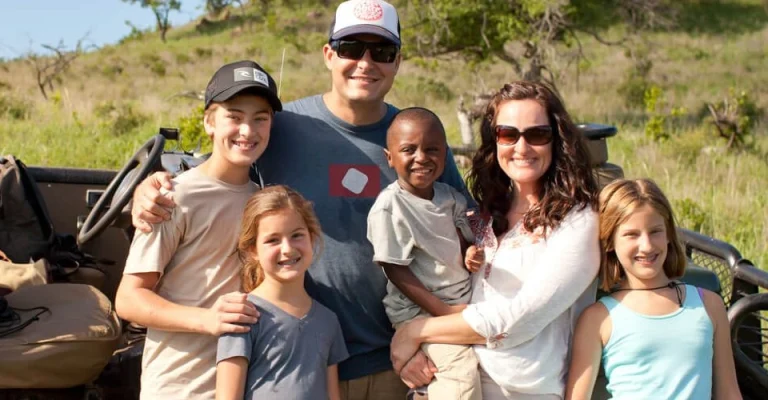
For parents and guardians, this means bonding with children in new ways: exploring together, asking questions, marveling at the discovery, and sharing that sense of wonder. Instead of one person simply lounging, the whole family becomes part of the adventure. In turn, this strengthens relationships, creates shared memories, and offers stories you’ll revisit around the dinner table for years.
Planning the Perfect Marine Biology Family Vacation
Choosing the destination and activities
Your first step is selecting a place that truly delivers marine biology experiences. Look for destinations with guided programs: nature centres, marine biologist-led tours, snorkeling or shallow-water exploration suitable for kids, and opportunities to learn about local marine life. Many beaches or islands near coral reefs or marine reserves fit this bill. For instance, guided snorkeling in shallow, calm waters is ideal for families with younger children.
When you review activities, ensure there’s a mix: guided walks along the shoreline to identify shells, crabs, or seagrasses; snorkeling sessions where children can see fish, coral, or turtles; maybe even a visit to a marine research station or conservation centre. This variety keeps the trip dynamic and ensures both relaxation and meaningful engagement.
Preparing your family and managing expectations
Before departure, it’s wise to brief your children (and yourselves) about what to expect. Explain the ocean environment: how coral reefs work, the importance of marine conservation the kinds of creatures you might see. This primes everyone to pay attention and ask questions, rather than simply diving into the water. Bring along a field guide, or download a marine life identification app, so the trip becomes investigative rather than passive.
Also, consider the physical demands. Some marine biology experiences might involve walking over uneven terrain (rocks, tide pools), wading, or using snorkeling gear. Plan for rest days, and ensure the youngest or less-mobile members of your family have options (e.g., shallow snorkels, beach-front observation rather than deep dives). Packing smart-especially gear for kids-makes a big difference (more on that soon).
Essential Gear to Elevate Your Marine Biology Vacation Experience
Below are five real-world products that enhance a marine biology family vacation. Each is described in detail, explaining what problem it solves, why you might need it, and how you can buy it.
1. Olympus TG‑6 Tough Camera
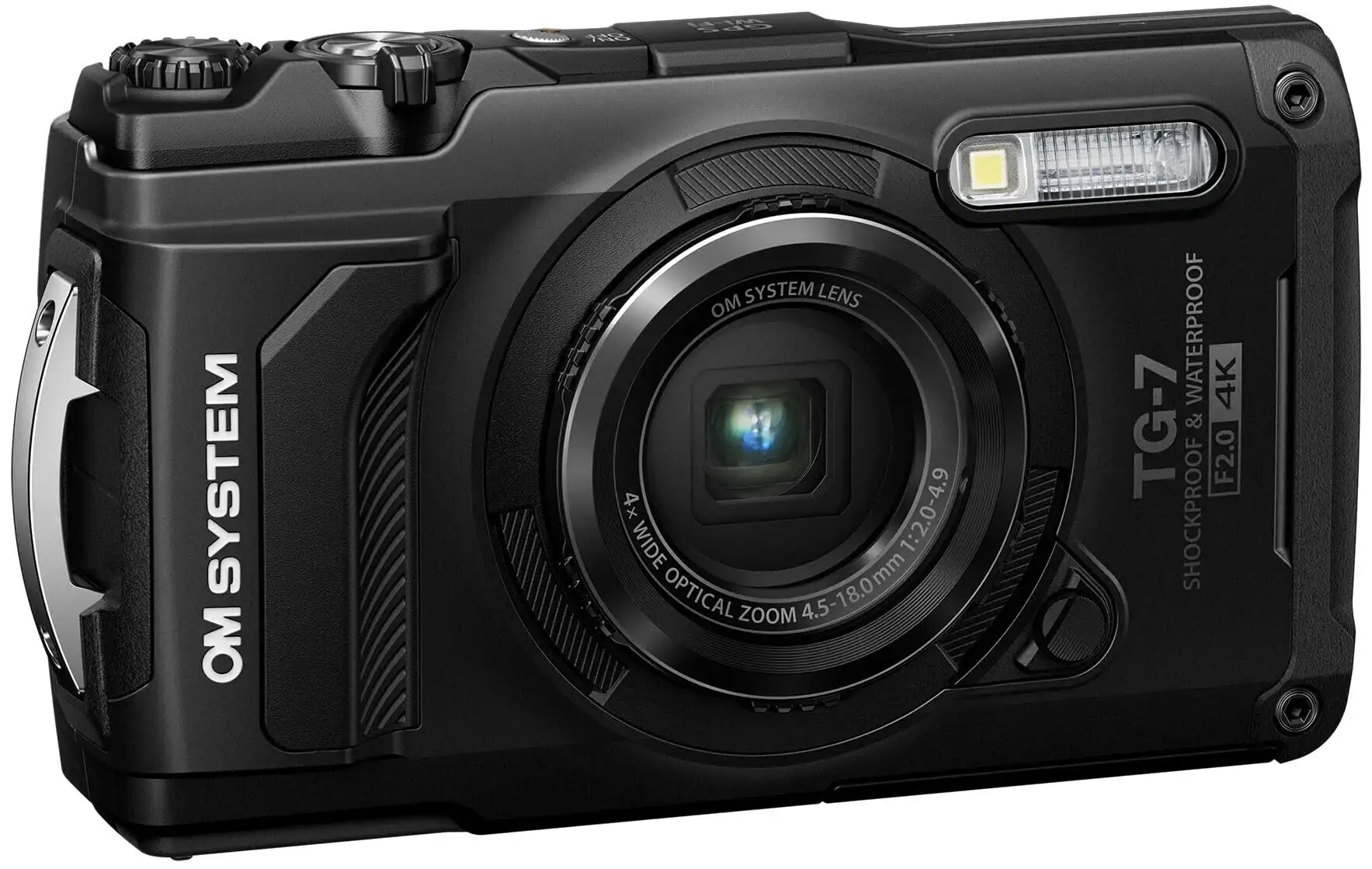
If you want to capture underwater moments, colorful reefs, curious fish, and turtles gliding by, the Olympus TG-6 Tough Camera is a top choice. It’s rugged, waterproof, designed for underwater photography, and built to handle wet, sandy, or salty conditions.
What problem it solves: As part of a marine biology vacation, you often want more than standard vacation photos. You want clear, vibrant shots underwater and in tricky lighting conditions (e.g., shallow reef, sunlit waves). A regular smartphone might struggle. The TG-6 is built for those conditions.
Why you need it: It allows you to document the trip, track marine species sightings, and create a photo journal of your family’s exploration. These visual memories help bring the experience home and also offer educational value by reviewing photos, identifying species you saw, and comparing with field guides.
How to buy & where: You can purchase this camera online from major electronics retailers or camera specialty stores. Check the listing for availability and price. Consider buying in advance so you can familiarize yourself with settings (macro, underwater modes) before your trip.
2. Pro Underwater Photo Kit
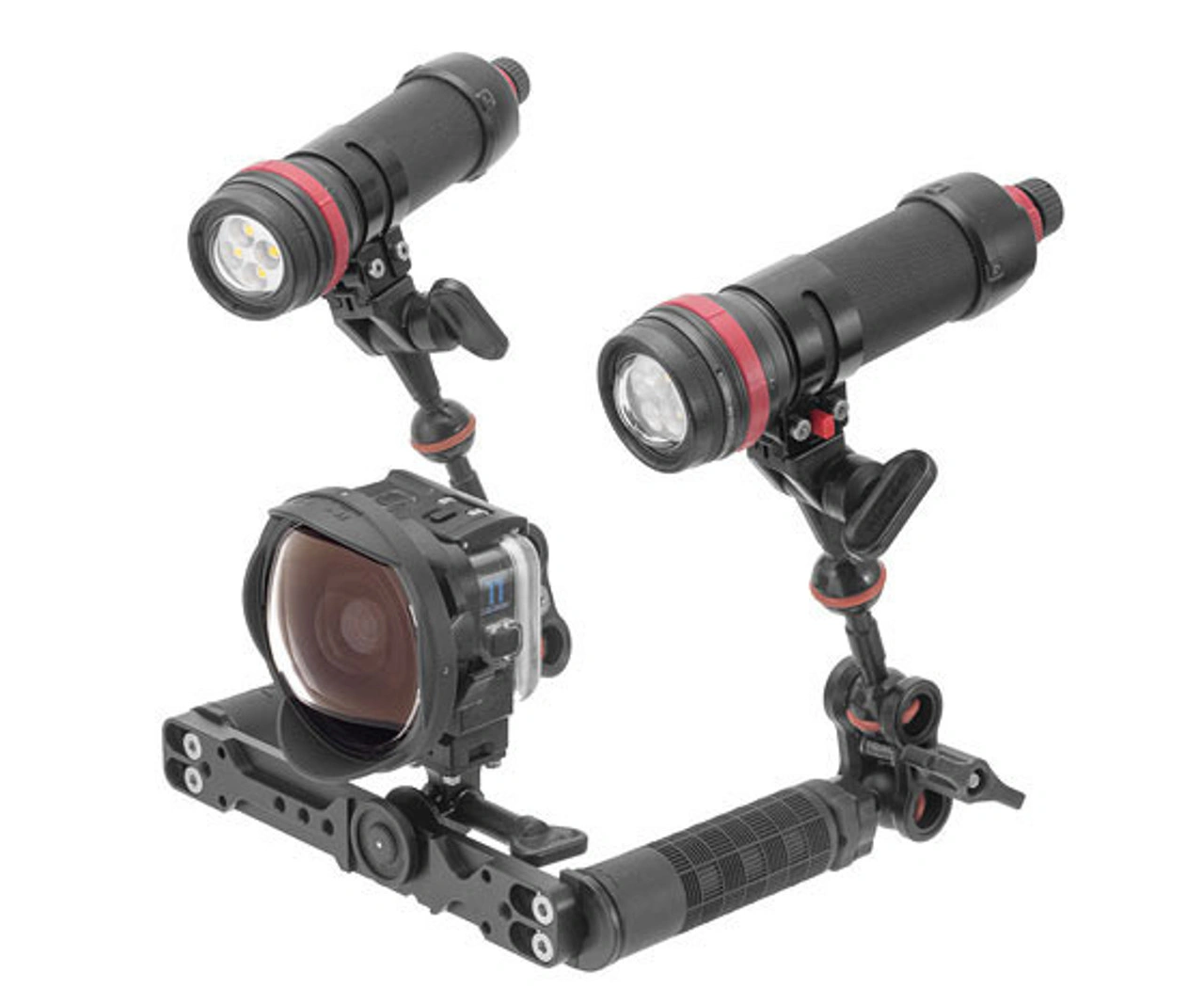
For families who want to step up their photo game, maybe older kids or parents interested in documenting the trip professionally, the Pro Underwater Photo Kit includes accessories like waterproof housings, lights, filters, and mounting gear.
What problem it solves: Standard underwater photography is limited by lighting, clarity, and movement. With a photo kit, you can control lighting, reduce blur, handle deeper water, and get higher-quality shots of marine life.
Why you need it: If you’re visiting a destination with coral reefs or marine research tours, you’ll meet times when the perfect photo opportunity arises (like a turtle gliding by, or schooling fish around a reef). Having a quality kit means you’re ready. It also encourages older children and teenagers to engage more deeply they can take charge of photos, learn about equipment, and connect more with the marine biology aspect of the trip.
How to buy & where: Check diving or photography specialty stores and online listings (for example, the one at eBay via dipndive_com). Make sure you verify compatibility with your camera model and confirm warranty/return policies for gear used in wet/saltwater conditions.
3. SeaLife SportDiver Ultra Pro 2500 Set
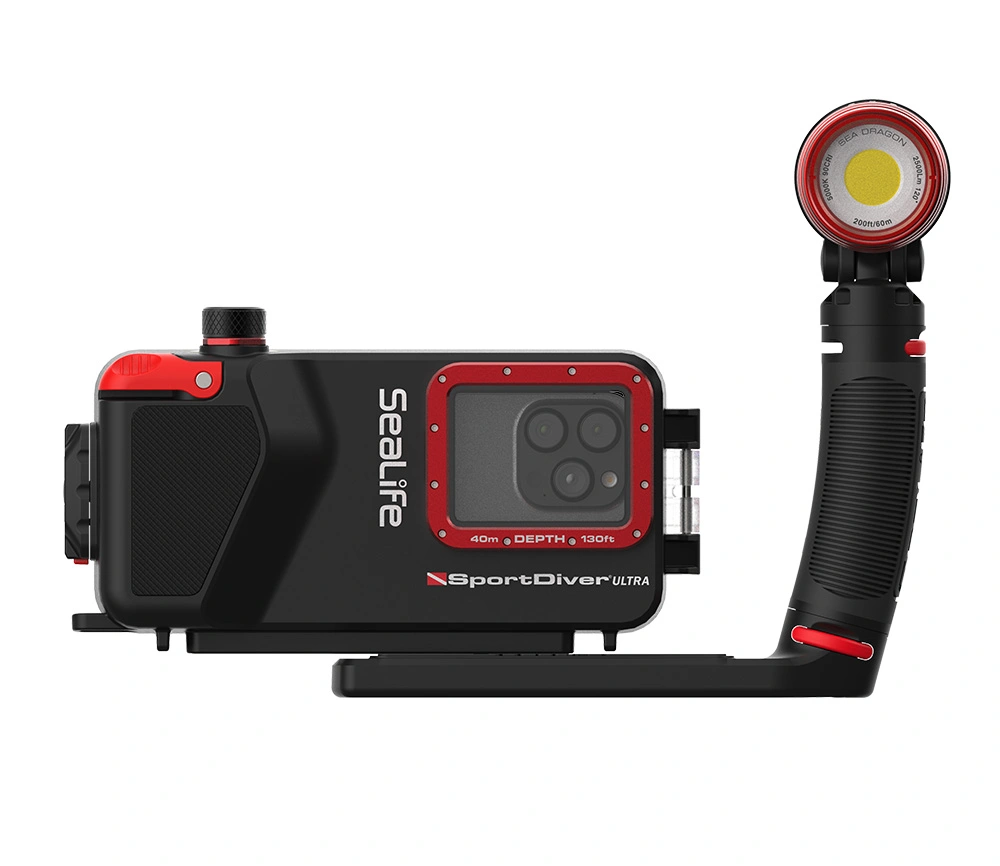
SeaLife SportDiver Ultra Pro 2500 Set is a professional-level underwater photography set designed for serious snorkelers or novice divers. It comes with lighting and is built to depths beyond standard snorkeling.
What problem it solves: If your family vacation includes opportunities for deeper water exploration, night snorkelling, or guided dives, you’ll need equipment that offers strong lighting and a rugged build. The SportDiver Ultra Pro 2500 Set is suited for that.
Why you need it: It provides flexibility for more adventurous moments, perhaps when you join a marine biology excursion that goes beyond the shallow reef or attend a nighttime marine biology walk. For older kids or adults who are interested in the scientific side (photographing nocturnal marine life, for example), this gear elevates the experience.
How to buy & where: Available via e-commerce diving specialist stores (e.g., dipndive_com listing on eBay), check shipping to your country, any import duties if you’re buying internationally, and ensure you pair it with compatible camera gear and memory cards for storing large video/images.
4. Sunnylife Underwater Camera
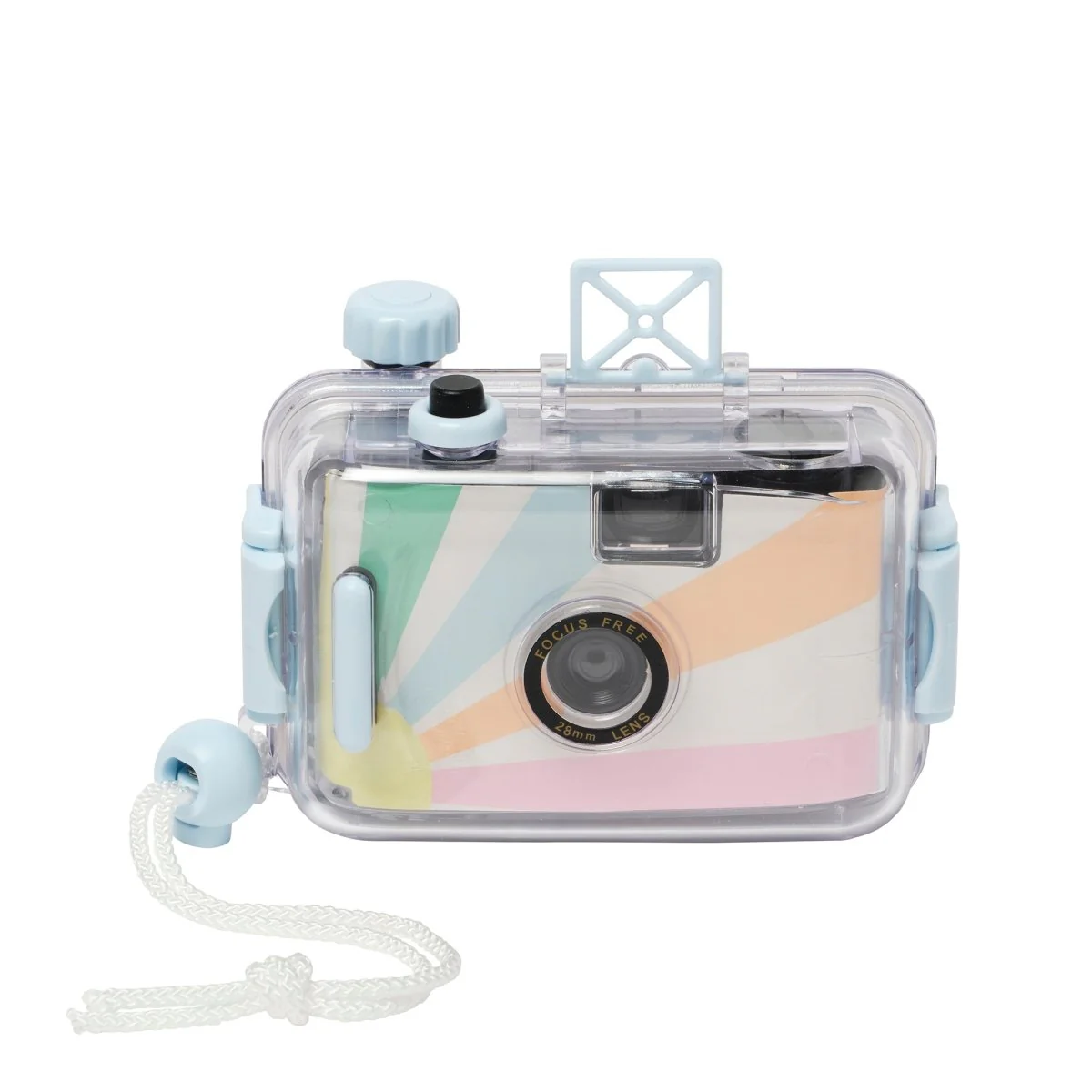
If budget is a priority or you have younger children who just want to “play” with an underwater camera, the Sunnylife Underwater Camera is a more affordable, simple option.
What problem it solves: Many families avoid investing in high-cost gear for younger kids. The Sunnylife camera offers a way for children to engage, take their own photos, and feel part of the marine biology adventure without the risk or hassle of expensive equipment.
Why you need it: It democratizes the experience so that everyone in the family can have their moment, not just the parent with the big camera. Kids can feel empowered, take their own shots of creatures they see, and later share their own photo adventures. This builds engagement and memories.
How to buy & where: Available via online retail (for example, revolve.com listing). Confirm waterproof depth rating, durability (kids will handle it roughly), and whether it has sufficient resolution for your purposes (even simple resolution is fine for fun memories).
5. Underwater Camera Accessory Full‑Set for GoPro
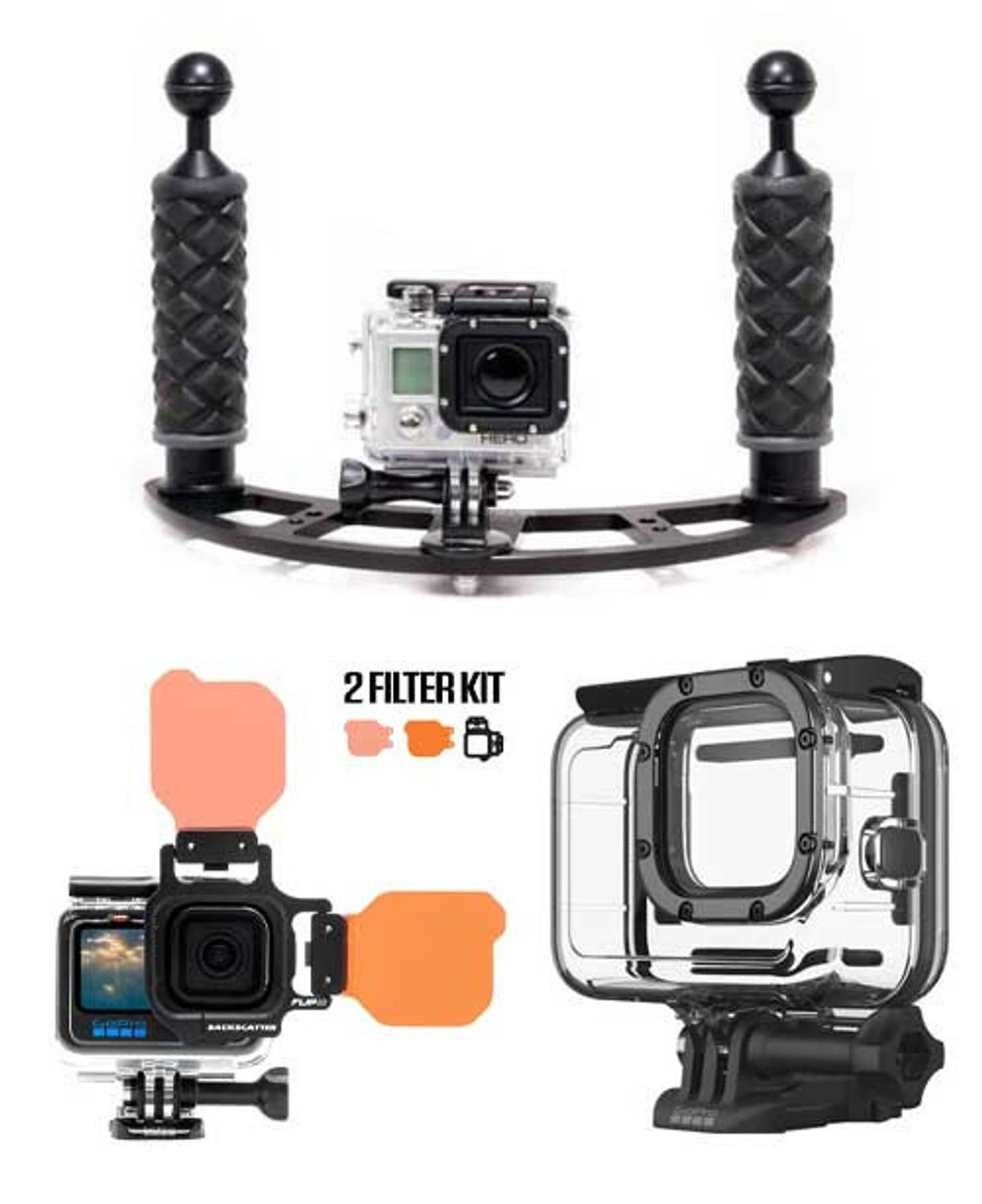
For families that already own a GoPro or action camera and want to enhance their marine biology vacation gear, this accessory full set includes waterproof housing, snorkel mount, floaty handle, filters, etc.
What problem it solves: Action cameras are great for capturing motion, but underwater use requires additional protection, mounting options, and filters to correct colour distortion. This set gives you that.
Why you need it: If your family is already familiar with GoPro or similar cameras, this set allows you to easily capture dynamic marine biology experiences such as snorkeling through a reef, filming fish schools, or capturing sea turtles. It’s especially useful if you plan to share your vacation experience on social media or keep a video journal.
How to buy & where: Search for “GoPro underwater camera accessory set snorkel scuba” on platforms like Shopee (example listing) or Amazon. Make sure the housing depth rating matches your planned activities, and check compatibility with your camera model.
How These Products Benefit Your Marine Biology Family Vacation
Enhancing exploration and engagement
When you travel with the right gear, you don’t just “go to the beach,” you become explorers. The Olympus TG-6 or Pro Underwater Photo Kit, for example, allows the family to record what they see and examine it later. This adds depth (pun intended) to the experience: children can attempt to identify species, compare with field guides, and discuss ecology. It turns vacation time into learning time, while still being fun.
With an underwater camera accessory set for GoPro, you encourage children to take ownership. They might record a snorkeling session, pick out a coral type, or film a crab in the tide pool. This kind of participation reinforces memory and deepens interest. For younger kids, a simpler camera like Sunnylife ensures everyone can participate without gear anxiety.
Addressing common problems & boosting value
Here are problems these products help overcome:
-
Problem: Regular smartphone cameras struggle underwater or in bright, reflective water surfaces. Solution: Durable underwater camera/tested gear.
-
Problem: Kids may feel left out if they don’t have gear. Solution: Budget-friendly kids’ camera.
-
Problem: Action cameras need accessories for underwater clarity. Solution: Accessory sets for existing gear.
-
Problem: Diving or snorkeling beyond shallow waves means expecting tougher conditions. Solution: Professional sets with lighting and depth capability.
By addressing those problems, you ensure the trip isn’t hampered by gear issues and that every family member can engage. The result: more fun, more memories, and richer education.
Making the Most of Your Family Marine Biology Trip
Incorporating technology and learning into your itinerary
Start your day with a short briefing: ask children what they want to see (e.g., sea turtles, coral fish, sea urchins). Take your camera gear and encourage everyone to record something. After snorkeling or tide-pooling, sit together to review the photos/videos, ask kids to pick their favourite shot, and explain why. This reinforces observation skills and deepens awareness.
Introduce simple citizen-science ideas: ask each family member to pick one marine creature to “study” during the trip (e.g., “I will find and photograph a starfish”). Use the camera gear to document. At the end of the day, discuss what you found, what surprised you, and what you learned. This transforms holiday time into discovery time.
Practical tips for packing, safety, and comfort
-
Pack a waterproof dry bag so your gear stays safe and dry. Salty water and electronics don’t mix.
-
Bring reef-friendly sunscreen, water shoes (for rocky tide pools), and hats. Being comfortable means you’re free to explore.
-
Test your camera gear before the trip so you’re comfortable using it underwater (check settings for macro, white balance, and underwater mode).
-
Plan for altitude/motion sickness if your destination involves boats. Bring motion-sickness meds if needed.
-
Assign “gear guardians” in the family, someone responsible for charging batteries, backing up photos, and keeping track of mounting accessories.
-
Respect the environment: teach children not to touch corals or disturb marine life, to avoid trampling sea grasses, and to keep the habitat safe for future visitors.
Real-World Example Itineraries for Families
Example 1: Shallow reef snorkeling on a tropical island
Imagine a 7-day stay on a tropical island where your base is a resort near a marine reserve. Day one is an acclimatization tidal walk on the beach, spotting crabs and sea stars. On day two, you join a guided snorkeling excursion: children with their underwater cameras photograph fish and corals. Evening spent reviewing photos and talking about reef ecosystems. Mid-week, a marine biology centre visit introduces your family to sea turtle rescue they witness a routine and ask questions. The final day features a beach cleanup walk, giving back to the ecosystem. Everyone feels involved in exploration, learning, and conservation.
Example 2: Coastal tide-pool and marine lab discovery
On another trip, you stay near the coast and do less deep snorkeling but more tide-pool walks and marine lab visits. Mornings are spent exploring intertidal zones, kids scan rock pools, take macro photos of anemones and small fish, using compact underwater cameras. After lunch, visit a local research lab where you join a short talk about marine biology, or perhaps attend a “touch-tank” session for children to handle shells and safe marine specimens. Evenings are spent sharing favourite discoveries and planning the next day’s targets (e.g., find a hermit crab). Gear like GoPro accessory sets comes in handy for documenting the tide-pool adventures from above and below water.
Why This Choice Stands Out Among Vacation Options
Greater value than standard resort beach holidays
Instead of just sunbathing and swimming, a marine biology-themed vacation transforms passive relaxation into active discovery. For families especially, that difference matters: it gives children engagement rather than boredom, and adults a sense of purpose rather than just leisure. The educational component adds value both immediately (fun, discovery) and long-term (knowledge, interest in science).
Long-lasting impact and memory building
The memories formed during a marine biology vacation are durable. The photos of reef fish, the story of spotting a turtle, and the shared excitement of “I found it!” build narratives that families recount for years. The gear you buy (underwater camera, accessories) becomes part of that legacy next trips, future vacations, they remember that first coral discovery, that first photo. This means your investment (both time and money) yields much more than a one-off break; it becomes part of your family story and identity.
Frequently Asked Questions (FAQ)
Q1: What age is suitable for a marine biology family vacation?
You can tailor the experience to most ages. For very young children (under around 5), stick to shallow tide-pools, beach walks, and supervised snorkelling in calm, shallow water. The gear I described helps older kids (8–16) engage more deeply. The key is adjusting activity difficulty and ensuring safety gear (life jacket, water shoes) is used.
Q2: How much extra cost does the “marine biology” component add compared to a regular beach holiday?
It depends. Many resorts or destinations offer snorkeling or nature walks at little extra cost. The major extra cost may come from specialized gear (underwater cameras/accessories) or guided marine biology excursions. But given the added educational value and engagement, many families find the cost worthwhile. You can also budget by bringing your own gear and choosing free or low-cost marine reserve visits.
Q3: Will we be able to see marine life like turtles and coral reefs on our family vacation?
While no wildlife encounter is guaranteed, choosing the right destination improves your chances. Look for places with established marine reserves, healthy reefs, calm snorkelling conditions, and family-friendly programs. Guided tours increase the likelihood of spotting turtles, rays, or vibrant reef fish. Using underwater cameras helps you appreciate more subtle marine life you might have missed with your naked eyes.
In conclusion, a marine biology family vacation experience is an excellent way to combine adventure, education, bonding, and lasting memories. By planning well, choosing the right destination, equipping your family with the proper gear (like underwater cameras and accessories), and structuring your trip around exploration and discovery, you transform a holiday into something far richer. Enjoy the journey, and may the ocean’s wonders invite your family into a shared adventure.