Historical Reenactment Family Travel Experiences – Book Authentic History Tours & Gear
Historical reenactments are not just passive exhibits. According to the definition, they involve “recreating aspects of a historical event or period” where participants dress in period uniforms, use authentic gear, and attempt immersive experiences.
For families, the value is multifold. First, there’s the immersive element: instead of simply looking at artifacts behind glass, children and parents can walk through camp settings, interact with reenactors, watch drills or demonstrations, and even engage hands-on. This turns abstract history into lived experience.
Second, this kind of vacation supports educational growth and bonding simultaneously. While children might normally resist “learning” on vacation, here they are curious and actively engaged, collecting impressions, asking questions about how people cooked, traveled, or fought in the past. For adults, it’s a chance to step out of purely leisure mode, connect with children on a new level, and share the wonder of exploring history together.
Planning Your Historical Reenactment Family Trip
Selecting the right destination and event
To plan effectively, start by researching which reenactment events or historic sites welcome families and offer a balance of spectacle and accessibility. For instance, the Moesgård Viking Moot in Denmark is described as a week-long reenactment with markets, tent camps, blacksmiths, mock battles, and is explicitly “family-friendly”.
When selecting your destination, consider these factors: (1) Age-appropriateness of activities (younger children may prefer guided tours, craft demonstrations, rather than heavy combat reenactments). (2) Accessibility: Can your family easily travel to the event? Are there accommodations nearby that support families? (3) Theme relevance: Choose a period that fascinates your family, whether medieval, American Civil War, early modern, or ancient. (4) Support infrastructure: Are there hands-on workshops, living-history camps, interpretive guides? These enhance the experience beyond mere observation.
Preparing logistics, gear, and expectations
Once you pick your event, prepare your family by discussing what you’ll experience. Explain how the camp may simulate tents, period cooking, marching drills, or crafts. Encourage kids to pick one thing they want to learn or do (e.g., learn how a flint knife is made, or try a quilt stitch). This primes them for engagement rather than passive watching.
Next, gear matters. Authenticity and comfort both matter. You’ll want some appropriate clothing (or at least one item) so your family doesn’t feel out of place, and you’ll also need travel gear (bags, layers, weather protection), especially if parts of the event involve outdoor camping or walking between sites. A good packing list helps reenactors highlight in their blogs.
Set expectations: it might not be luxury resort comfort. Some camps may require walking on uneven ground, weather exposure, or early starts. But with preparation, this becomes part of the adventure rather than a burden.
Essential Gear to Elevate Your Family Historical Reenactment Trip
Here are five real-world products that families can consider to enhance their reenactment travel experience. Each includes details about what problems they solve, why you might need them, and how to buy them.
1. US Civil War Bullseye Canteen with Cover & Cork/Chain
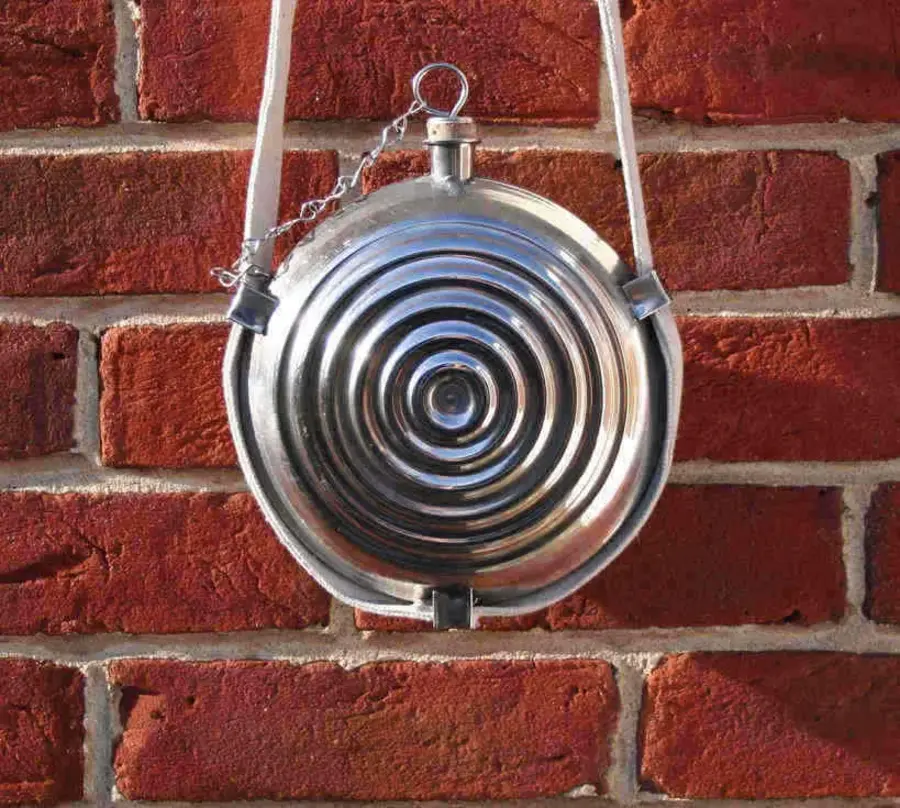
The Bullseye Canteen is a replica of a Civil War-era water container, complete with cover, cork stopper, and chain.
What problem it solves: When your family participates in a reenactment camp or walks through a historic encampment, modern water bottles can feel out of place. This canteen allows you to carry hydration, but in a way that enhances your immersion in the period.
Why you need it: Having gear that matches the aesthetic helps children feel part of the story rather than tourists. For example, carrying this canteen while observing a leatherworker or blacksmith fosters a deeper connection to the era. It also serves a practical need (carrying water) in a way that aligns with the experience.
How to buy & where: You can find this item (or similar) on websites like eBay (see “wooden5c” listing). Search historic reenactment suppliers under “Civil War canteen replica” for availability and shipping. Ensure that the canteen is made of food-safe materials if you plan to carry actual water.
2. Laguncula or Roman Canteen
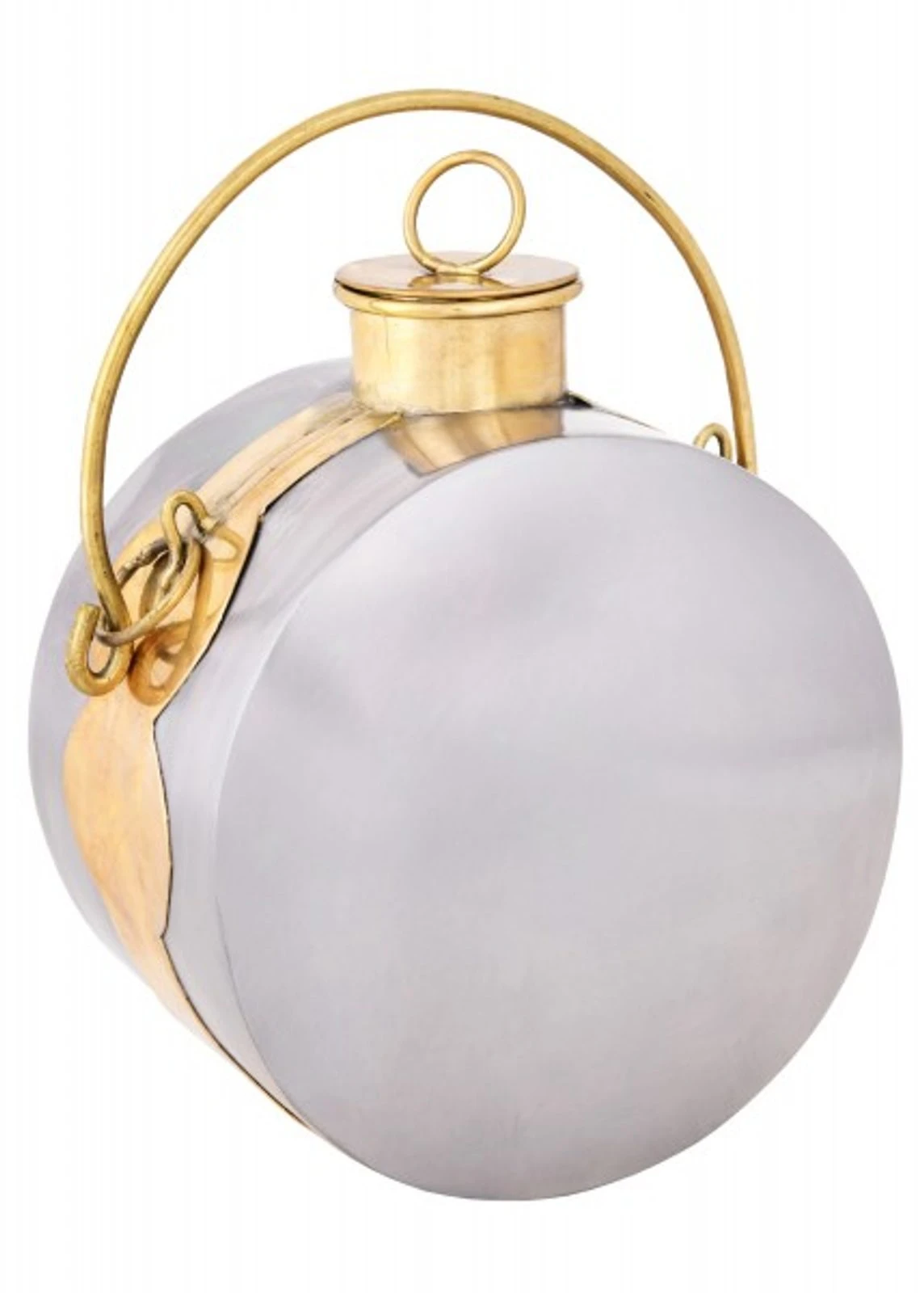
This is a reproduction of a Roman-era Drinking Container (Laguncula), ideal for families attending ancient history reenactment sites or events focusing on Roman or early antiquity themes.
What problem it solves: For families traveling to historical events themed around the Roman Empire (or visiting ancient sites), typical plastic bottles contrast with the setting. The laguncula aligns with the setting visually and educationally.
Why you need it: Using appropriate gear helps immerse the whole family. Kids can hold the canteen, ask questions about how Romans carried water, and connect it with the site they’re visiting. It becomes a tactile link between modern travel and historical experience.
How to buy & where: Look for listings like “Roman canteen reproduction” on specialist medieval/ancient reenactment gear merchants (e.g., Tienda Medieval). Verify materials and shipping to your country.
3. Plus Size Prairie Pioneer Women’s Costume
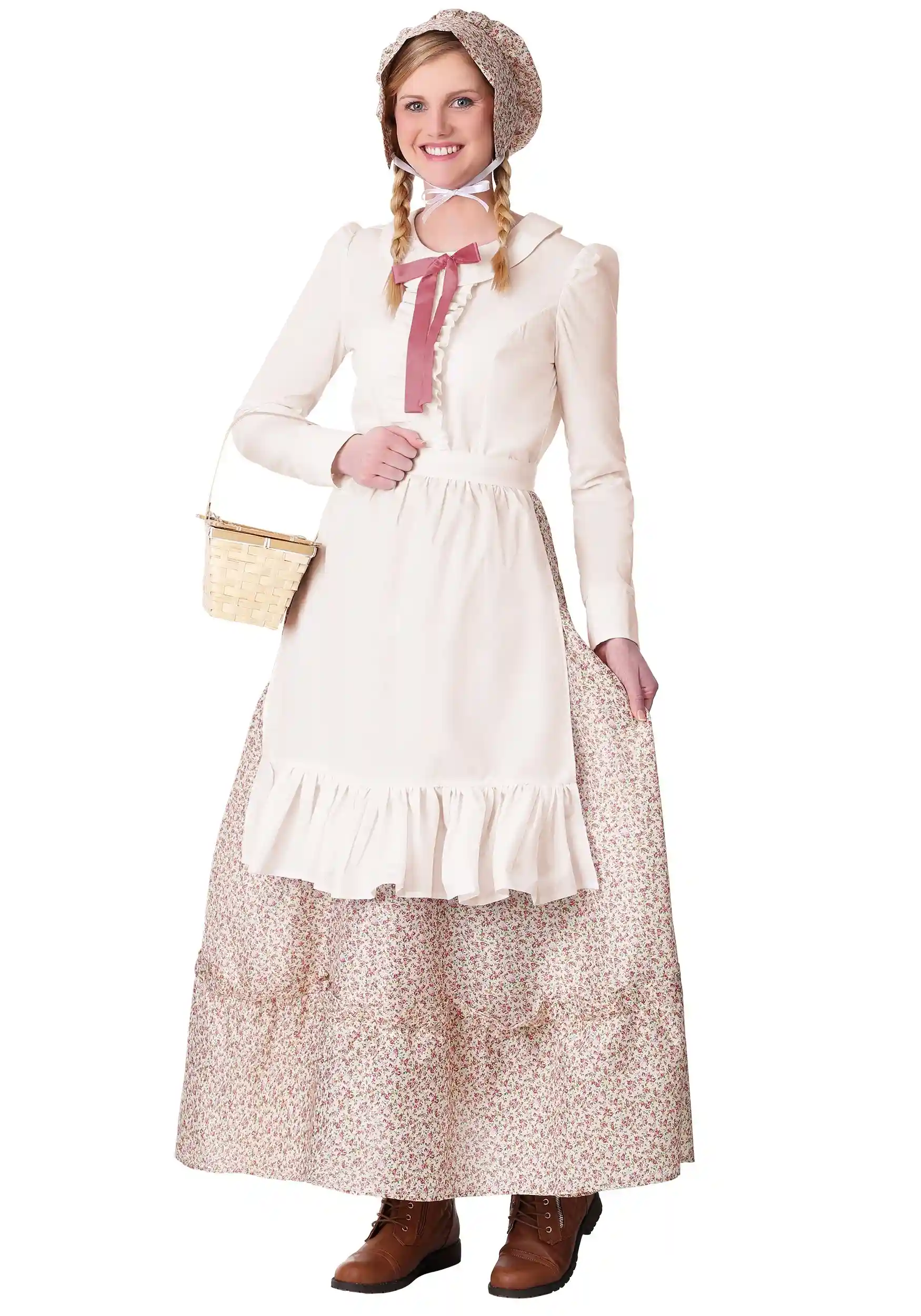
This adult Woman’s Pioneer-era Costume replicates clothing from the 19th-century American frontier, an excellent choice for family members attending pioneer or frontier reenactment events.
What problem it solves: One challenge in family reenactment travel is that a member may feel out of place wearing modern clothes while others are dressed. This costume gives the adult (or older teen) a chance to fit visually into a pioneer encampment or historic village setting.
Why you need it: It fosters enthusiasm, makes photos more memorable, and encourages participation. When the adult joins with accurate clothing, children may follow suit and get more engaged. It also helps you blend into guided experiences rather than feeling like an observer.
How to buy & where: Available via costume vendors (Fun.com listing). When purchasing, check size, material, ease of movement (since you may walk around or sit in a historic setting), and washability. Use modern undergarments if needed for comfort, but select a costume that looks appropriate.
4. Colonial Jabot and Cuffs
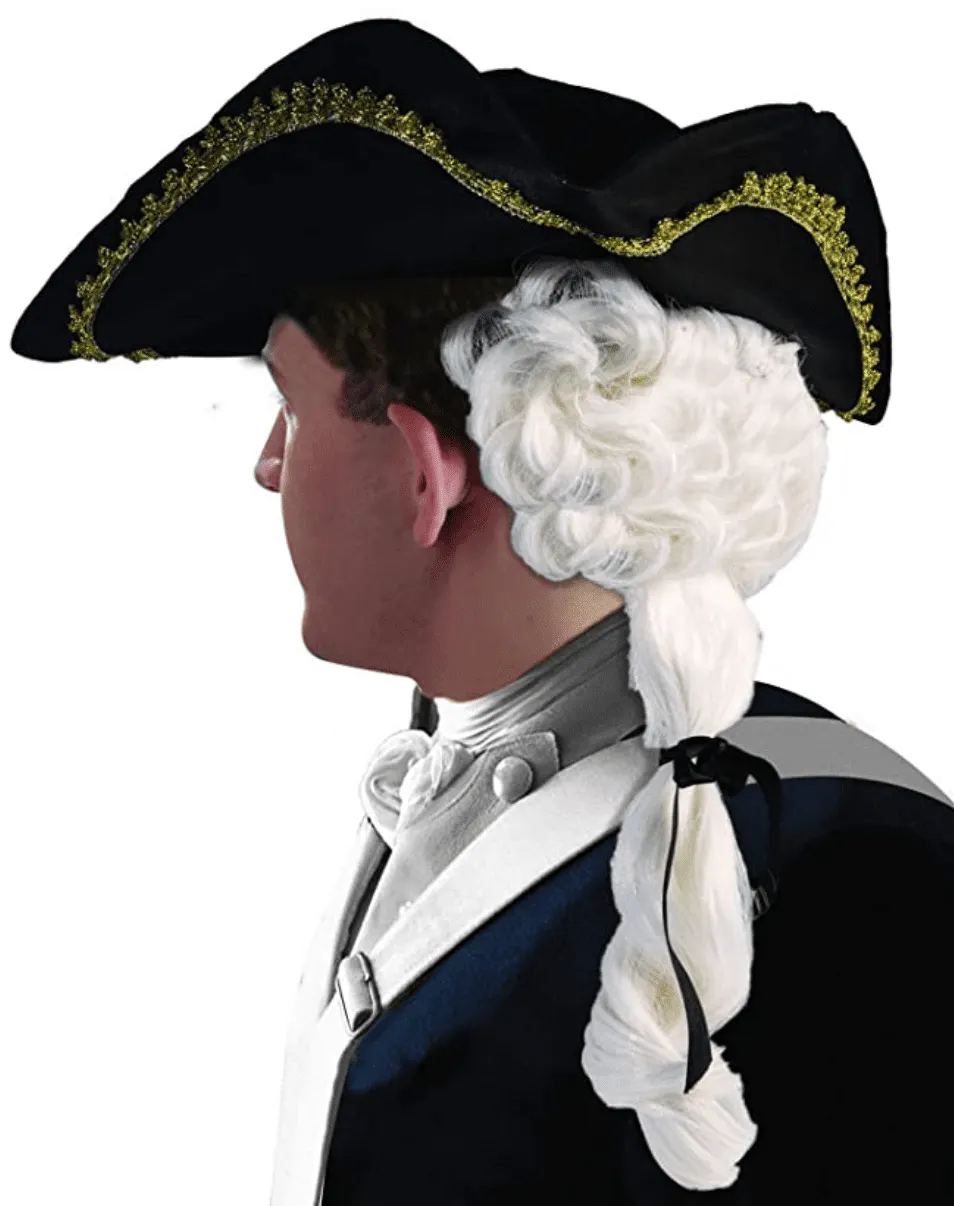
These are accessory garments from the Colonial era (18th Century), often worn by men in reenactments of early American history.
What problem it solves: For male family members (or even teenagers) wanting to participate in an 18th-century reenactment event, accessories matter. The coat and trousers may cost more, but a jabot and cuffs offer a cost-effective way to participate visually and feel part of the era, even if not fully outfitted.
Why you need it: It allows greater flexibility, you can attend one event and dress partially, then later invest more as your interest grows. It reduces entry cost and allows the family to try reenactment travel without a huge upfront investment in full uniforms.
How to buy & where: Search online on eBay (see “american_cost” listing) or specialized sutler shops (e.g., C&C Sutlery) which carry such accessories. Ensure that the material and craftsmanship satisfy the standards of the event you’re attending (some require high authenticity).
5. Blue Early Medieval Surcoat
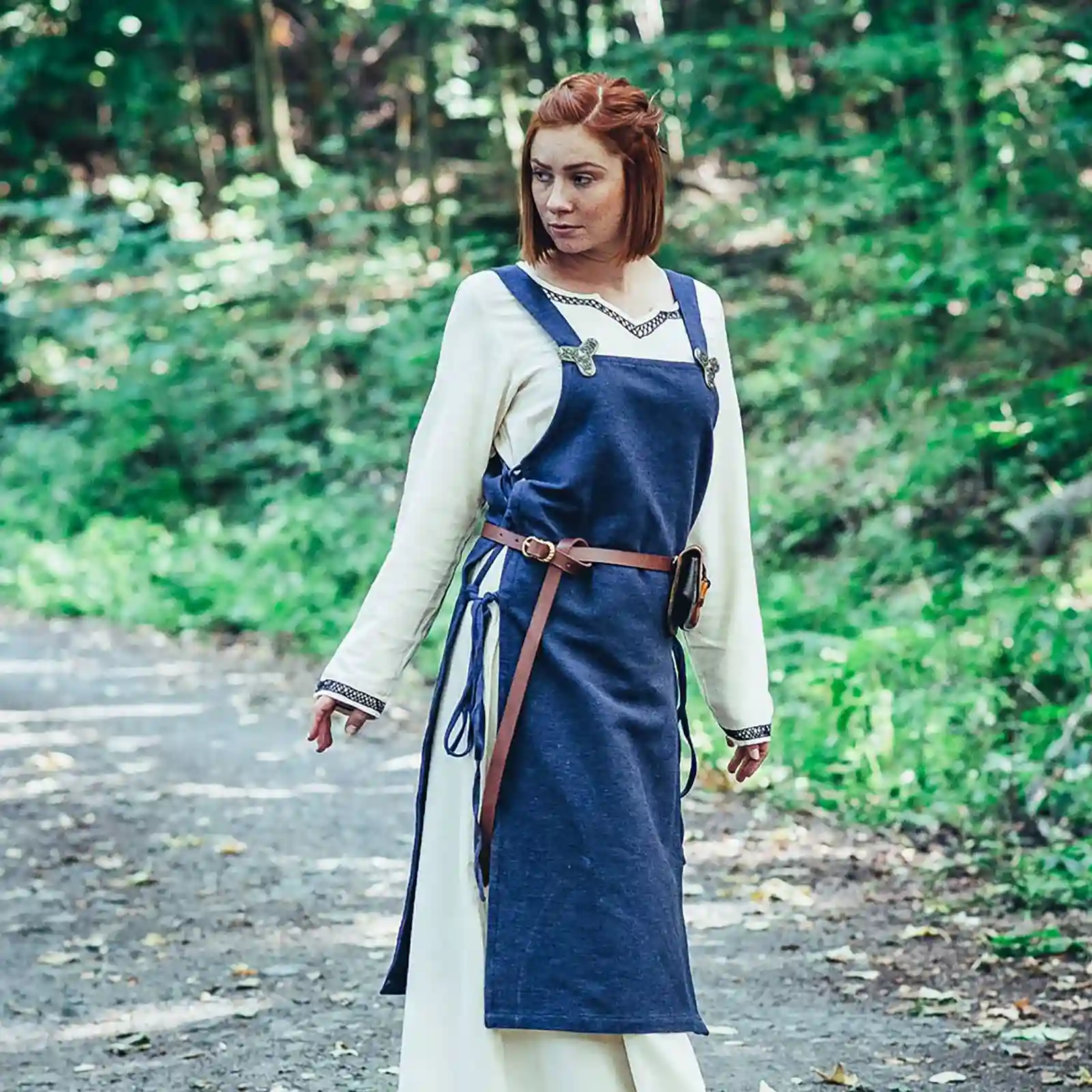
This is an Outer Garment (Surcoat) from the medieval era, worn over armor or cloth garments by participants in medieval reenactments.
What problem it solves: Medieval reenactment events typically expect participants to have some period-appropriate outer clothing. For families visiting medieval fortresses or attending events of that theme, this surcoat gives visual authenticity and helps link into the experience of knights, castles, and medieval life.
Why you need it: If your family plans to attend a medieval fair, camp, or castle-stay experience, dressing the part deepens the immersive element. Children may feel like pages or squires, parents like part of the court. That enhances engagement, interaction with actors/reenactors, and photo opportunities.
How to buy & where: Available via specialist armoury/reenactment vendors (Irongate Armory listing). Check sizing, fabric weight (so it’s comfortable in your climate), and room for layering (since travel may require modern underlayers).
How These Products Benefit Your Historical Reenactment Family Travel Experience
Enhancing immersion and engagement
Using authentic-looking gear like the canteens or clothing accessories helps your family step into history rather than just observe it. The result: children and adults both feel part of the living history, not just onlookers. This builds enthusiasm and curiosity.
For example, carrying a Civil War canteen while listening to a camp demonstration of musket loading gives you a tangible connection: “This is what they carried.” It prompts questions, discussion, and deeper learning. The pioneer costume helps a mother or older sister feel part of the scenario; the surcoat helps put the father or teen into a medieval setting.
Solving practical problems & boosting value
Here are common challenges when families attempt reenactment travel, and how the gear helps:
-
Problem: Modern gear clashes with the period, causing distraction or reduced engagement. Solution: Use era-appropriate gear (canteen, surcoat, accessories) that visually aligns with the setting.
-
Problem: High cost of full uniform or gear sets. Solution: Start with accessories like a jabot/cuffs or a single costume item (pioneer costume) to reduce entry cost and still participate.
-
Problem: Kids feel passive or left out. Solution: Give them their own item (canteen or surcoat) so they feel engaged and responsible.
-
Problem: Comfort and practicality are often sacrificed for authenticity. Solution: Choose gear that balances authenticity with travel comfort (e.g., a surcoat that fits over modern layers, a canteen made for travel).
Thus, the investment in a few key items enhances the whole family’s experience, making the trip more memorable and meaningful.
Maximizing Your Reenactment Family Travel Experience
Incorporating technology and learning into your itinerary
While historical reenactment emphasizes authenticity, technology can support your experience. For instance, use a simple travel camera or smartphone to photograph your family in period gear, then use a walking app or map to explore the camp layout, craft demonstrations, or battle re-creations. You might also download history apps or audio tours that explain what you’re seeing: “Here is the engineer’s tent, here is where blacksmiths worked, here is how muskets were loaded in that period.”
Encourage your children to function as “history reporters”: take photos of their item (e.g., canteen or surcoat), interview a reenactor (“Why did you carry that canteen? What did it weigh?”), and share what they learned at the end of the day. This transforms vacation time into discovery time, boosting both fun and educational value.
Practical tips for packing, comfort, and authenticity
-
Pack a waterproof dry bag for any sensitive accessories (especially if you’ll be outdoors or in a camp environment).
-
Bring modern layers under the period gear so you stay comfortable (many reenactment sites are outdoors with variable weather).
-
Test your gear before travel: try on the costume, check fit and mobility; ensure the canteen opens/closes well and you’re comfortable carrying it.
-
Respect the rules of the reenactment event: many expect no modern gadgets visible in the period area, or restrict certain footwear. Research ahead.
-
Be mindful of authenticity vs. practicality: while you strive to fit in, your family still needs to travel, so plan one “modern day” day and one “immersive” day if needed.
-
Take time for reflection: at the end of the day, gather as a family, review photos, ask “What surprised you?” or “What was most interesting?” This will deepen the learning and memory.
Real-World Example Itineraries for Families
Example 1: Pioneer Encampment Weekend
Your family travels to a living-history site such as a reconstructed 19th-century frontier town. On arrival, you dress (mother in the pioneer costume, father with colonial accessories, children with simpler period pieces). You participate in daily pioneer tasks: grain grinding, blacksmith forging, and wagon rides. With your canteens strapped on, you attend an outdoor storytelling session at sunset. In the evening, you camp in period-style tents, telling stories by lantern and gazing at stars. The next day, you join a guided trail hike, discussing how settlers traveled with minimal gear, how they used canteens and surcoats to protect from the weather. This weekend gives historical context to your family’s travel story and deepens the connection with the past.
Example 2: Medieval Castle Stay
Suppose you visit a medieval castle that hosts a reenactment weekend. Your child wears a surcoat and helps a trainee squire demonstrate archery under supervision; parents walk around walls, witness a mock joust, and explore medieval crafts booths. You pause in the camp with your Roman-style canteen, compare water-carrying practices across eras, and talk about why knights wore surcoats. In the evening, you join a banquet (period-inspired food) and enjoy storytelling by minstrels. On departure, you stop at a heritage museum comparing real medieval clothing to your gear. This type of immersive vacation is rich in story, participation, and family-shared reflection.
Why This Choice Stands Out Among Vacation Options
More engagement than standard “sit-back” holidays
Traditional family vacations often involve sightseeing, beaches, or amusement parks. While they’re fun, they can feel passive. A historical reenactment travel experience flips the script: your family is not just observing history, they are stepping into it, albeit temporarily. This creates deeper memories, more curiosity, and richer interactions.
Educational, bonding, and long-lasting impact
By participating in living-history experiences, children and adults alike build shared stories: “Remember the pioneer wagon ride?”, “When I carried my canteen around the medieval camp”. These stories serve as family folklore. The educational element, seeing, touching, dressing in period gear, enhances retention and interest. For families who value meaningful vacations over purely leisure, this option offers a high return on investment in terms of memory, learning, and connection.
FAQ
Q1: What age is suitable for a historical reenactment family travel experience?
Such experiences can be adapted to many ages. Younger children (ages 5-10) may prefer guided hands-on activities (crafts, tours, storytime) rather than full participation in encampments. Older children/teens (10-16) may enjoy gear, dressing up, and trial tasks. The key is choosing an event that offers varied levels of engagement so the entire family can participate comfortably.
Q2: How much additional cost does adding reenactment gear and travel make compared to a typical family holiday?
It depends on how immersive you go. Buying full, historically accurate uniforms can be expensive, but starting with one accessory piece (like a canteen or accessory kit) reduces cost. Travel cost remains similar (transport, lodging). The extra cost is primarily in gear and perhaps entry fees if the event is special. But many families find the added value (engagement, educational benefit, memories) to be well worth it.
Q3: Do we need to buy all the historical gear before the trip, or can we rent or borrow?
Many reenactment sites or events allow rental or provide minimal gear for participants; some local reenactment societies may lend items. However, buying at least one piece (like the canteen or surcoat) ensures your family feels ownership and is comfortable. Doing so also gives you gear that can be reused on future trips, increasing value. Renting is possible, but check availability early and ensure it fits your family’s size/comfort.
In conclusion, a historical reenactment family travel experience offers a unique blend of adventure, learning, and bonding. By planning for the right destination, equipping your family with a few key gear items (such as a canteen, period clothing, and accessories), and embracing the immersive nature of living-history events, you can transform a vacation into something much deeper. It becomes a journey into the past together with stories, engagement, and memories that last long after you return home.