Traditional Craft Workshops for Kids Abroad – Immersive Travel Experiences for Children
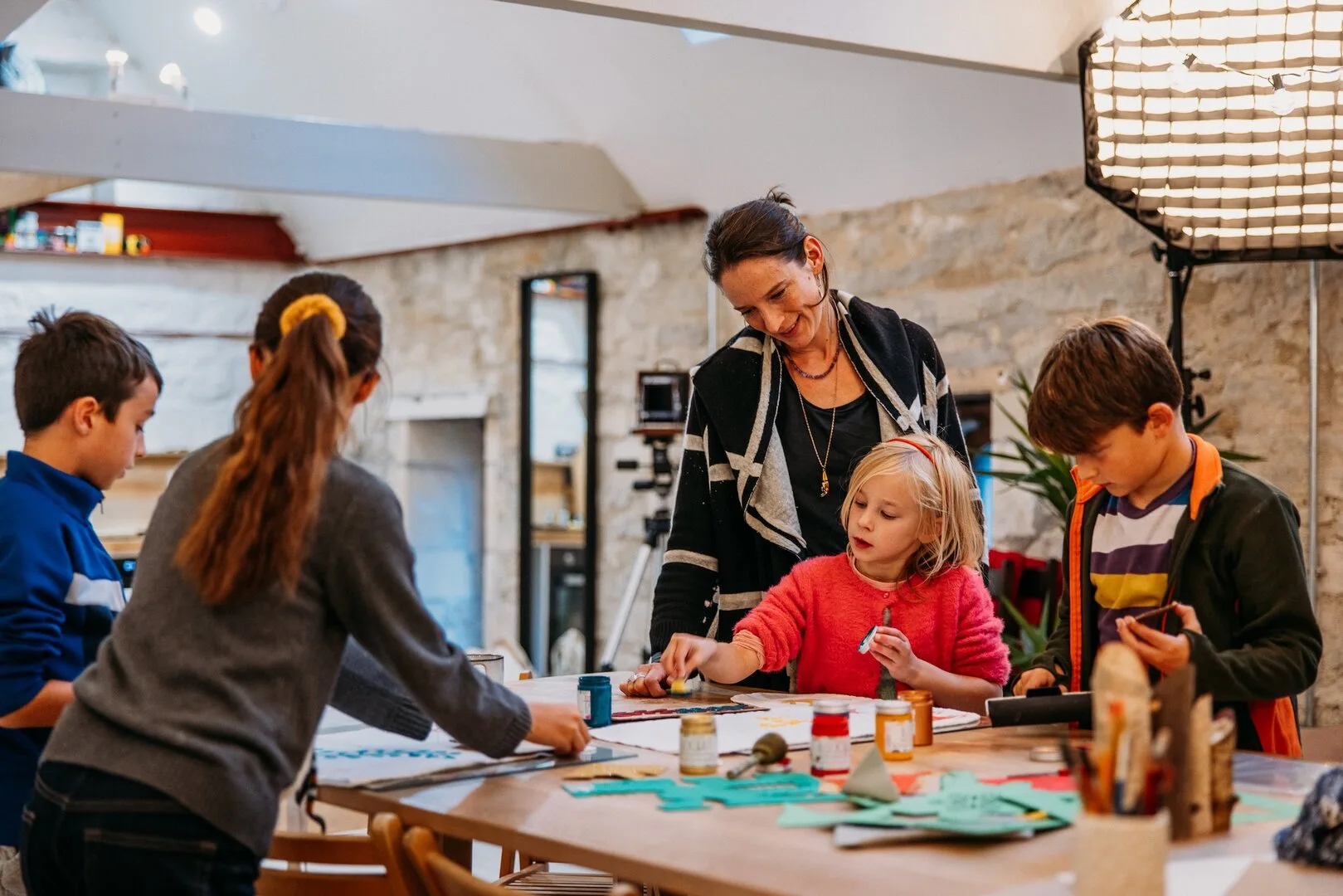
These workshops are activity-based experiences offered in locations abroad (outside your home country) where children engage in making or learning traditional crafts of that culture. They are typically designed for children or family groups, and led by local artisans who teach methods such as dyeing, pottery, paper-making, paper-folding, leatherwork, mosaic, weaving, and more.
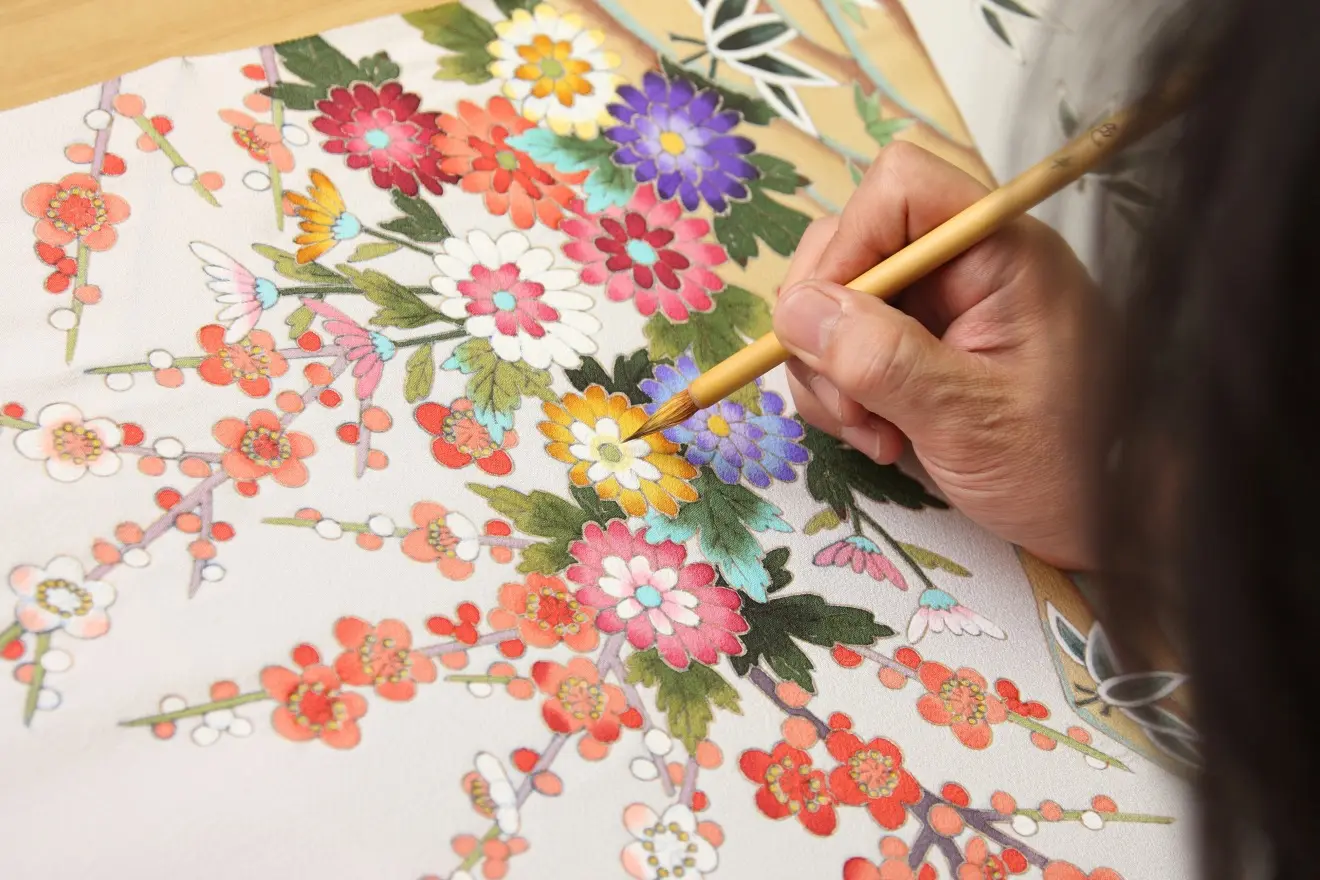
For instance, in Kanazawa, Japan, children can join workshops for gold-leaf application, Mizuhiki decorative cord tying, Kutani ware painting, and other traditional crafts. In Europe, one article lists craft workshops around the world, from Australia to Asia to Europe, which cater to children and families.
These experiences differ from ordinary craft classes in that they are embedded in the local culture of the destination. Kids not only learn a craft, but also connect with the history, materials, and tradition of that place. The “abroad” element adds an extra layer: new surroundings, perhaps a foreign language, and the travel context itself adds to the memory.
Why Choose a Craft Workshop Abroad for Kids
There are several compelling benefits to enrolling children in traditional craft workshops when travelling abroad. These go beyond “fun activity” to offer developmental, cultural, and family-bonding advantages.
Cultural & global awareness
When children learn a craft that is native to the destination, they gain immediate exposure to another culture’s materials, methods, and meaning. As one write-up puts it: crafting helps “children develop an appreciation for diversity and cultural differences by exposing them to different ways of life, customs, and traditions.” This kind of immersive learning helps kids become global citizens and fosters respect for other cultures.
Hands-on learning & creativity
Unlike passive sightseeing, craft workshops engage children’s senses, motor skills, and creativity. They may handle clay, fabric, paper, and tools. In doing so, they experience making something tangible rather than simply being spectators. This learning-by-doing builds confidence, problem-solving ability, and self-expression.
Unique souvenirs with meaning
Instead of buying a ready-made souvenir, children (and families) take home something they made themselves, an item infused with the memory of travel, instruction, effort, and culture. For example, making a mosaic tile in Porto or dyeing fabric in Japan gives a deeper connection to the object.
Family bonding & travel enrichment
Such workshops provide a shared family experience: children and parents can often participate together, or parents can watch while kids try. This shared creative time adds to the meaning of the trip. Also, for children, a shorter, well-defined craft session is often a welcome break from long walking tours or museum visits.
Skill development
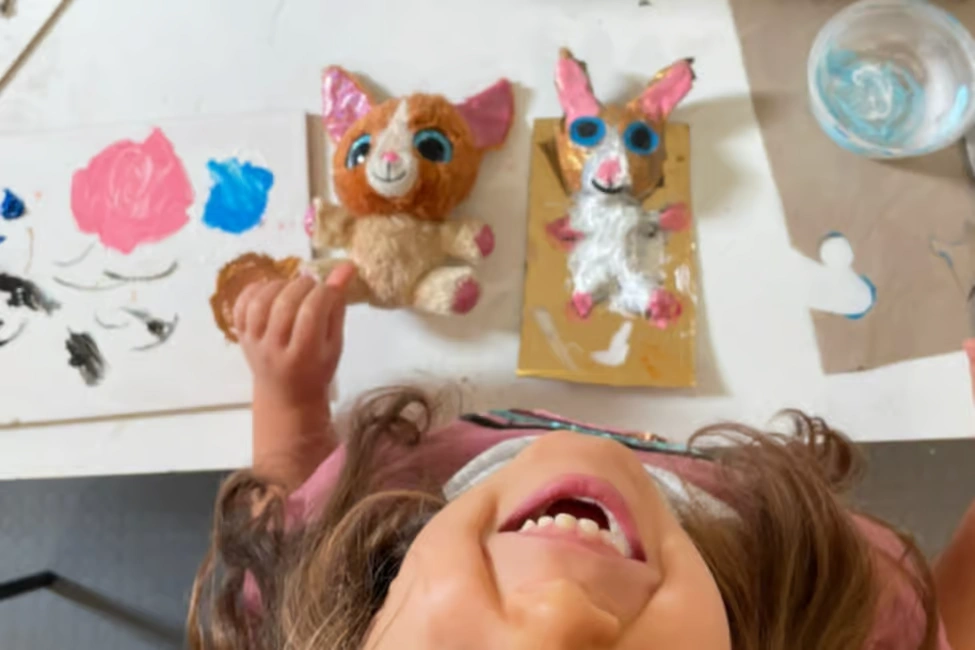
Beyond the immediate craft, children develop fine motor skills, patience, concentration, and sometimes learn about materials (natural dyes, traditional techniques) and history. For example, in Lecce, Italy, a children’s craft workshop in papier-mâché, origami, ceramics, and stone helps concentration and memory.
What to Expect from a Workshop Abroad
When planning a traditional craft workshop for kids abroad, it helps to know what the typical structure, duration, age range, and logistics will be. Here are some things you can expect.
Duration and format
Many workshops for kids abroad last from one to three hours, enough time to introduce the craft, allow hands-on making, and finish with a take-home piece. For example, the Lecce children’s workshop lasts about an hour. Because children’s attention spans vary, this shorter format works well.
Skill level & age range
Workshops aimed at children typically require no prior experience. They’re set up to be fun and accessible. The age range may vary (often from about 4-5 years up). Some might have separate sessions for younger/older children. Always check the minimum age when booking.
Venue & materials
These workshops may take place in studios, craft villages, artisan workshops, or even museums. Materials are usually provided (clay, tools, dyes, fabrics). For overseas travel, check if any extra fees apply (for take-home shipping, additional firing, etc.).
Take-home product
One of the main rewards is the item kids produce and take home. Some items may require firing or shipping (for example, pottery made abroad may be shipped later). Others may go home immediately (painted tile, dyed fabric, paper craft).
Booking & logistics
Because you’re abroad, booking in advance is often recommended. Confirm the language of instruction (often English is available, but not always). Check cancellation policies, age suitability, pick-up or drop-off arrangements, inclusion of family members, etc.
Real-World Examples of Traditional Craft Workshops for Kids Abroad
Here are five real-world examples of traditional craft workshops abroad that cater to children or families with details of what they offer, where, age-suitability, and why they stand out.
1. Artistic Workshop for Children – Lecce (Lecce, Italy)
-
Age suitability: Children of all ages are welcome; the experience is designed for kids.
-
Why it’s good: This session integrates traditional local materials (Lecce stone) and techniques with kid-friendly tasks. It’s short (about 1 hour), making it suitable within a travel day. It provides a real hands-on craft instead of a passive activity.
-
Use case and problem solved: For families with kids who may tire of standard sightseeing, this provides a focused, creative activity that engages kids and allows parents to relax or explore nearby while kids craft. For children who might resist museums or walking tours, it gives a hands-on, memorable break.
-
How to book: Via local tour provider (book ahead). Since it’s in Italy, international parents should check language support (instruction is mostly hands-on).
-
Where to buy: Book through the site (e.g., the “Artistic Workshop for Children – Lecce” page).
2. Kanazawa Traditional Crafts Experience (Japan)
-
Age suitability: Suitable for beginners (even children) because the instruction is given by an artisan and designed for all levels.
-
Why it’s good: It combines rich traditional Japanese craft heritage (for example, gold-leaf pasting, inlay metal work, and kimono fabric dyeing) with approachable hands-on experiences. The destination itself (Kanazawa) offers cultural depth.
-
Use case and problem solved: For families travelling in Japan who want activities beyond the typical tourist path, this gives kids something interactive in a meaningful context. It solves the challenge of “kids get restless while parents visit temples and gardens” by offering an artisan-led workshop.
-
How to book: Many craft studios in Kanazawa accept reservations online; search for “Kanazawa craft experience for families”.
3. Europe Craft Classes
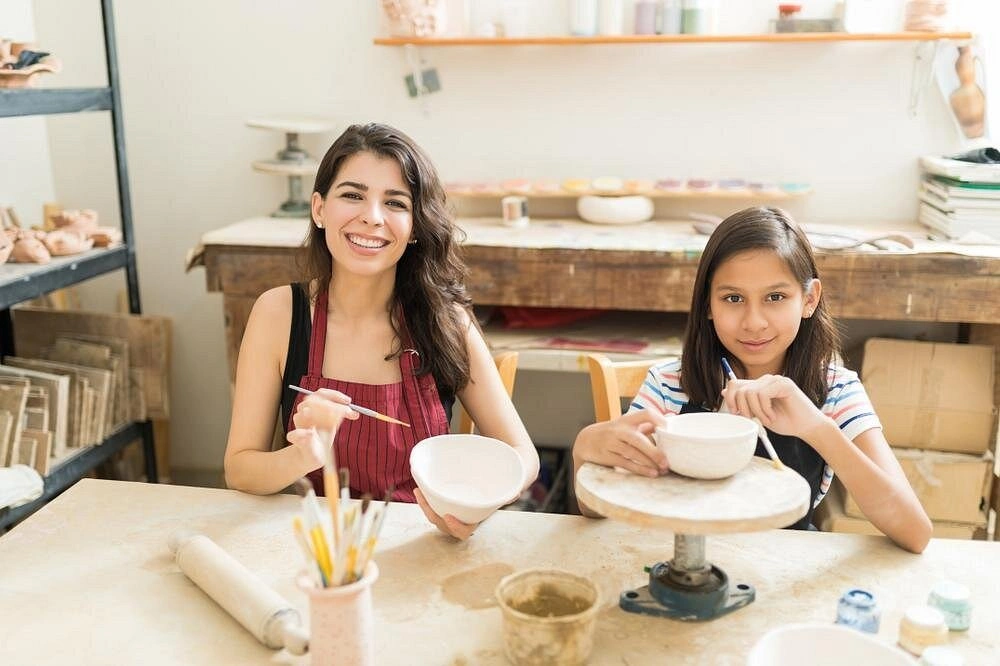
Locations in Multiple cities in Europe (e.g., Venice, Istanbul, Porto). For example, in the top Europe Craft Classes List from Viator, the Venetian mask-making class, the Istanbul mosaic lamp workshop, Porto tile-painting workshop. In Venice: mask-making from traditional carnival techniques; In Istanbul: mosaic lamp making; In Porto: tile-painting on azulejo tradition.
-
Age suitability: These are family-friendly small-group workshops, and many mention “for all levels” and “family” in the description.
-
Why they’re good: These craft experiences put children and families in the seat of the artisan they choose design, learn technique, create a one-of-a-kind object, all while immersed in the surrounding locale. The variety of destinations and crafts means you can pick one that matches your travel route and your child’s interests.
-
Use case and problem solved: For families planning a European city trip with kids, instead of just museum tours or playgrounds, adding a craft workshop provides a break that is educational, creative, and memorable. It solves the typical travel frustration of children being bored.
-
How to book: Via providers like Viator, booking platforms listing “craft classes & workshops kids/family friendly”.
4. Barcelona Gaudí Mosaic Workshop for Children
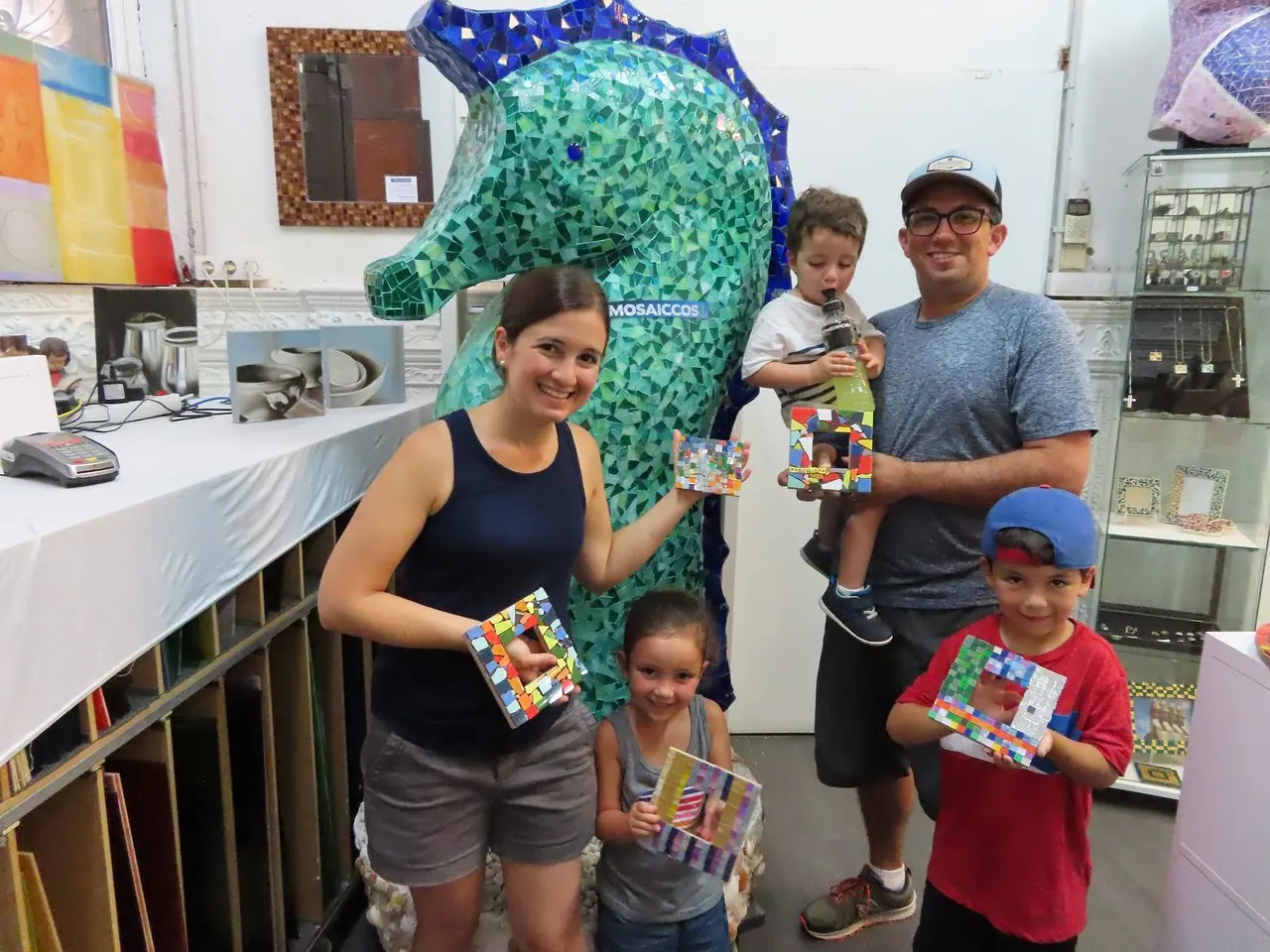
Location in Barcelona, Spain. A “Gaudí Mosaic Workshop for Children in Barcelona” is listed for ages 0-64, so it definitely includes kids. Children join a small-group mosaic workshop, learn the technique of mosaic in the style of Gaudí, and design and make their own mosaic piece.
-
Age suitability: Very inclusive range; families can participate together.
-
Why it’s good: Ties in with a major architectural/cultural figure (Gaudí) and city (Barcelona), making the craft both fun and contextually meaningful. Perfect for a family exploring Barcelona who want a creative stop.
-
Use case and problem solved: For children who may find museums a bit long, this interactive craft workshop is shorter, more hands-on, and provides a souvenir of the trip.
-
How to book: Typically via tour platforms in Barcelona.
5. Kids Craft Workshop at The Bear & The Fox – Berlin
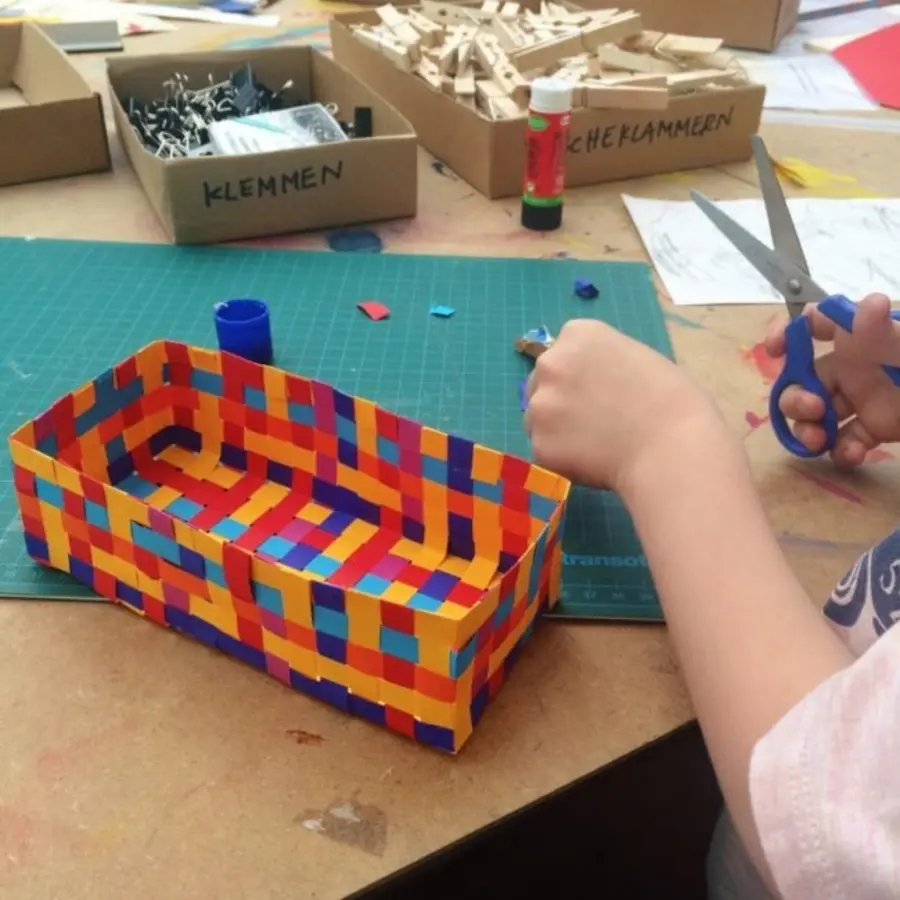
Location in Berlin, Germany (Bauhaus_lab workshop for kids). Children attend a creative session at a design-/craft-oriented studio in Berlin, such as Bauhaus_lab, with craft ideas, travel tips, and creative exploration.
-
Age suitability: Family-friendly and design-oriented; suitable for children interested in crafts, design, and art.
-
Why it’s good: While perhaps less tied to an ancient tradition than some studios, this offers modern craft/design for kids in a major city and suits families who want a combination of cultural and creative experiences.
-
Use case and problem solved: For families spending time in Berlin and wanting productive downtime for kids, a craft workshop provides a structured creative break.
-
How to book: Contact the studio/the-bear-and-the-fox blog for workshop dates or look for “kids craft workshop Berlin”.
How to Choose & Book the Right Workshop for Your Child
When selecting a traditional craft workshop for kids abroad, keep in mind these criteria to ensure the best fit, smooth logistics, and meaningful experience.
1. Match the child’s interest & age
-
Choose a craft that aligns with your child’s interests (e.g., pottery vs. paper-folding vs. dyeing).
-
Check the minimum age and whether the session length is suitable for your child’s attention span.
2. Check language and support
-
Because you’re abroad, check what language the instruction will be in. Some may be in the local language, with basic English; others may be bilingual.
-
Check if families or multiple children are accepted.
3. Authenticity of craft
-
Prefer workshops led by artisans and reflecting local tradition, not just generic “kids paint” sessions. Authenticity adds value. For example, the Kanazawa workshop offers gold-leaf craft and inlay techniques.
-
Location matters: a historic craft district or studio is often better.
4. Duration, timing, and child suitability
-
Ideally, the duration should not be too long (1-3 hours) so children stay engaged.
-
Morning or early afternoon sessions may suit kids better than late evening.
5. Materials and take-home item
-
Confirm what the children will make and whether it goes home immediately or needs shipping/firing.
-
Ask about safety, age-appropriate tools, and supervision.
6. Logistics & booking
-
Reserve in advance (these workshops often fill).
-
Check cancellation policy, group size, and what’s included (materials, instructor, tool rental).
-
Make sure the location is accessible from your accommodation.
-
Consider cost, inclusions, and extra fees (e.g., shipping overseas for fired pottery).
7. Integration with your travel plan
-
Choose a workshop located near your accommodation or sightseeing route to minimise travel fatigue.
-
Pair it with nearby lunch or rest time for kids.
Benefits of Choosing Traditional Craft Workshops Using Technology & Travel Booking
In today’s travel environment, technology enhances how you discover, book, and experience craft workshops abroad for kids. Let’s look at the benefits of using tech and how it improves the experience.
Online discovery and global marketplace
Platforms such as Viator, TripAdvisor, or dedicated craft-tour websites allow you to search “kids craft workshop [city]” or “traditional craft workshop children [destination]” and compare options globally. For example, a Europe-wide list shows 400+ craft classes available.
This means you can plan from home, read reviews from other families, view photos, and choose the best match.
Secure online booking and cancellation
Many workshops offer instant online booking, with payment or pay-later options, and free cancellation up to a certain time. The Lecce example offers “free cancellation up to 24 hours.”
This flexibility removes some of the travel stress and helps you lock in a time slot when you’re abroad.
Interactive learning tools and follow-up
Some craft studios provide digital galleries of previous works, videos of technique, or pre-workshop instruction via email. This helps children arrive prepared and excited. They may also send digital photos/thanks afterwards, making it a lasting part of the journey.
Accessible multilingual support and scheduling
Technology helps filter by language of instruction (e.g., “English-speaking instructor”), schedule (morning/afternoon), group size, and age range. This is especially helpful in non-English speaking destinations.
Enhanced memory-sharing and social media
After workshop participation, you can upload the finished artefact, share it with family back home, or use the digital photo gallery that the studio may provide. This helps extend the educational impact of the workshop. Children remember not just the activity, but also see themselves in the process via photos.
Integration with travel apps and itinerary tools
You can integrate the workshop into your itinerary via mapping and scheduling apps, set reminders, check travel time from accommodation, and link with local transport or GPS to ensure you aren’t late (which is important with children in tow). Using technology in planning ensures the workshop becomes a smooth part of your trip, not an afterthought.
How to Book & Where to Buy
Here’s a step-by-step guide on how you and your family can book a traditional craft workshop for kids abroad, and what to look for in a purchase.
-
Choose the destination & craft. Based on your travel plan, select a city or region offering a suitable kids craft workshop (from examples above).
-
Search for workshops on platforms like Viator, TripAdvisor, or local craft studio websites. Use keywords like “kids craft workshop”, “family craft experience [city]”, “traditional craft workshop children [destination]”.
-
Check age, duration, language & inclusions. Ensure it matches your child’s age and interests, check that the language of instruction is manageable, verify materials are included, and that a take-home product is provided.
-
Book in advance. Since spaces are often limited and kids’ sessions may have specific times, reserve early. Choose a date/time that fits your travel day for minimal stress.
-
Payment and cancellation: Pay online if required. Keep the confirmation and cancellation policy handy. Some studios allow pay-later or cancel up to 24 hours.
-
On the day, arrive early, know the meeting point, and prepare for the craft (dress for mess if needed, bring a change of clothes if pottery). Bring a camera for memorable photos.
-
Follow up. After finishing, ask if they offer digital photos of the studio, encourage your child to share their creation, and reflect on what they learned.
FAQs
Q1: What is the ideal age for children to participate in these craft workshops abroad?
A: Many workshops are suitable for children from about age 5 and up, depending on the craft and country. For very young children (under 5), check that the workshop offers a suitable session (shorter duration, supervision). The workshop in Lecce states “children of all ages” can participate.
It’s wise to match the child’s attention span, interest level, and physical ability (e.g., handling clay or tools) when choosing.
Q2: Will language be a barrier in a foreign country craft workshop?
A: In many destination craft workshops, instruction is often given hands-on and visually, which reduces language barriers. Nevertheless, when booking, check if the instructor offers English (or your language) support, or if the craft is intuitive. For example, the Kanazawa craft experience states, “anyone can easily take on the challenge.”
If your child speaks very little of the local language, choose sessions noted as “English-friendly”.
Q3: What if I’m worried about shipping the finished craft (like fired pottery) back home?
A: Address this before booking. Some crafts (for example, ceramics that require firing) may need to be shipped later. Others may be built to travel easily (tiles, fabric dyeing, paper crafts).
When booking, ask: Will the item go home with the child immediately? If not, what’s the shipping cost and timeframe? For travel convenience and less worry, many families prefer crafts that go home the same day or are designed to be packed easily.
Conclusion
Choosing a traditional craft workshop for kids abroad can transform a family holiday into a rich, creative, educational, and memorable experience. From dyeing fabric in Japan, shaping local stone in Italy, to mosaic and tile workshops across Europe, there are many opportunities to engage children in hands-on learning that ties into local culture. By selecting the right craft, age-appropriate session, booking ahead, and integrating it into your travel plan (with tech tools for smooth logistics), you’ll give your children more than a souvenir; you’ll give them a story, a skill, and a vivid memory of their time abroad.