Nature Photography Safari Tours – Capture Wild Moments with Your Loved Ones
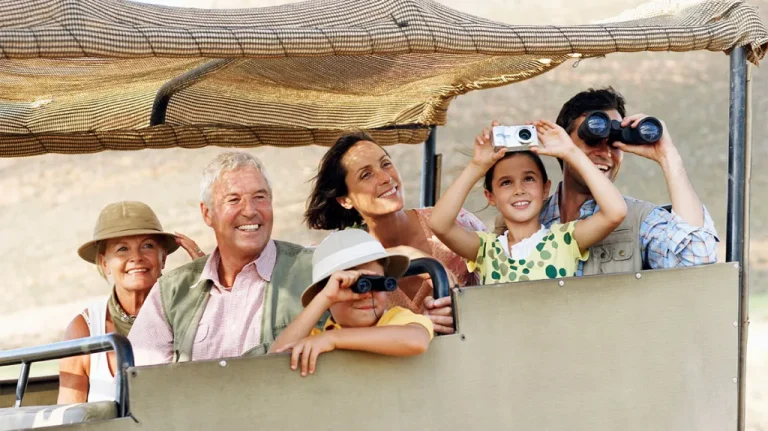
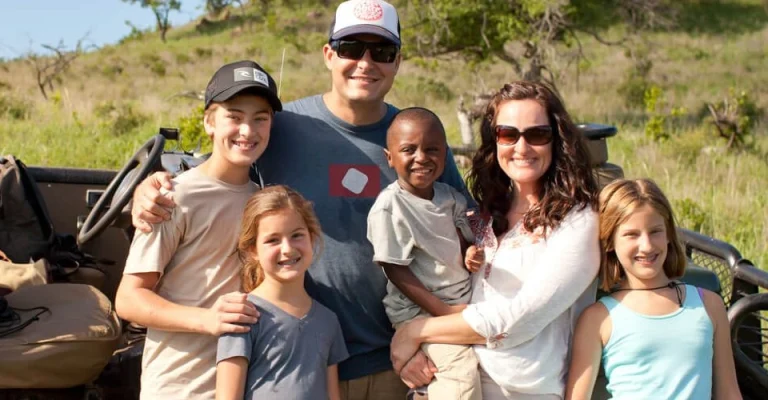
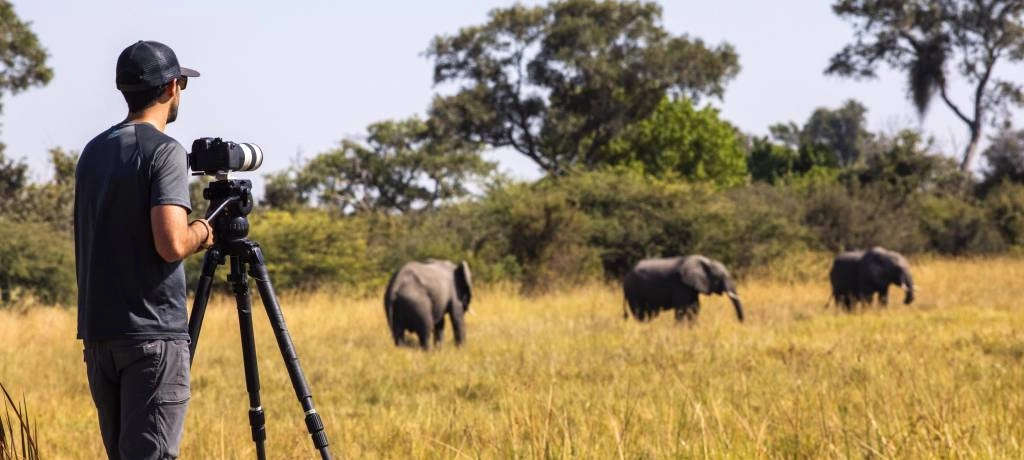
A nature photography safari tour tailored for families offers more than simply a vacation; it provides an experience where both kids and adults engage in the wild, explore wildlife and natural ecosystems, and create visual memories together. Instead of a passive sightseeing trip, this kind of tour actively involves photography: observing, framing, capturing, and reflecting on nature.
Benefits include:
-
Shared bonding through purposeful activity: The entire family works toward capturing wildlife moments, reviewing photos, and sharing stories. This creates more meaningful interaction than passive sightseeing.
-
Educational value for children: Wildlife behaviour, ecosystems, camera operation, and visual storytelling are incorporated, helping kids and teens develop skills and awareness. Many photo-safari operators highlight how the photographic aspect becomes a learning component.
-
Elevated holiday memories: When the product of your travel is not just “I saw an elephant” but “I captured this image, here’s what it taught me”, the experience becomes more memorable and less fleeting.
-
Engagement for all ages and skill levels: Whether you’re a novice with a smartphone or a serious hobby photographer, many family-friendly photo safari tours accommodate mixed-skill groups. For example, one operator states: “Photographic safaris are available for every skill level, from absolute beginners to experts.”
-
Enhances nature connection & conservation awareness: Photography adds an element of observation and reflection that fosters deeper respect for wildlife and the environment. Many tours emphasise ethical wildlife viewing and photography.
Thus, for families who want more than just a holiday and who want to engage, learn, bond, and capture nature photography, safari tours are an excellent option.
What to Look for in a Family Nature Photography Safari Tour
Before booking your family photography safari tour, pay attention to the following key criteria to ensure it meets both family-travel needs and photography goals:
Tour Design & Photography Focus
Ensure the tour explicitly offers photography-focused components: photo-specific vehicles (bean-bags, swivel seats, charging ports), instruction or guidance from photography-savvy guides, camera support, and time allocated for capturing images. For example, one safari operator describes vehicles with beanbags, foam supports, and 360° rotating seats to enhance photographic opportunities. A family tour should balance wildlife viewing with photography time.
Family-Friendly Accommodation & Logistics
Since the tour involves children and families, look for lodging, transport, and scheduling suitable for mixed ages. Parents need to relax, and kids need to be engaged. The tour should factor in comfortable lodging and child-friendly activity pacing. Also check age restrictions, safety measures, and ease of access. Some photo-safari operators explicitly state they welcome beginners and families.
Wildlife & Nature Setting
The location matters: you’ll want a destination rich in wildlife and nature scenes without compromising comfort or family suitability. Look for camps or lodges in reserves that allow vehicles, game drives, perhaps walking safaris (if kids are older), or boat/canoe rides, and varied habitats for diverse subjects. For example, a provider lists the best national parks for photographic safaris, such as the Masai Mara National Reserve and the Serengeti National Park, because of abundant wildlife and lighting opportunities.
Skill & Equipment Support
Tour providers should offer or accommodate equipment needs: assistance with camera settings, support gear (bean-bags, mounts), and post-capture review or editing. As one provider mentions, “Even beginners can benefit by spending time in the best classroom in the world (the African bush).” If you have kids who use simple cameras or smartphones, make sure the tour allows that too.
Booking Transparency & Value
Since you’re booking a specialised tour (family + photography), check what’s included: number of drives, guide ratio, photography gear support, group size, age limits for kids, logistic transfers, gear rentals. Compare cost vs value. For families, this matters because you’re combining travel, wildlife viewing, and photography education. One operator explains how costs vary by destination, season, and luxury level.
Real-World Family Nature Photography Safari Tours
Here are five excellent tour products that cater to family nature photography safari experiences. Each is described with what makes it stand out, benefits, use cases, and how to book.
1. Pangolin Photo Safaris – Africa Wildlife Photography Tours
Details & Features:
-
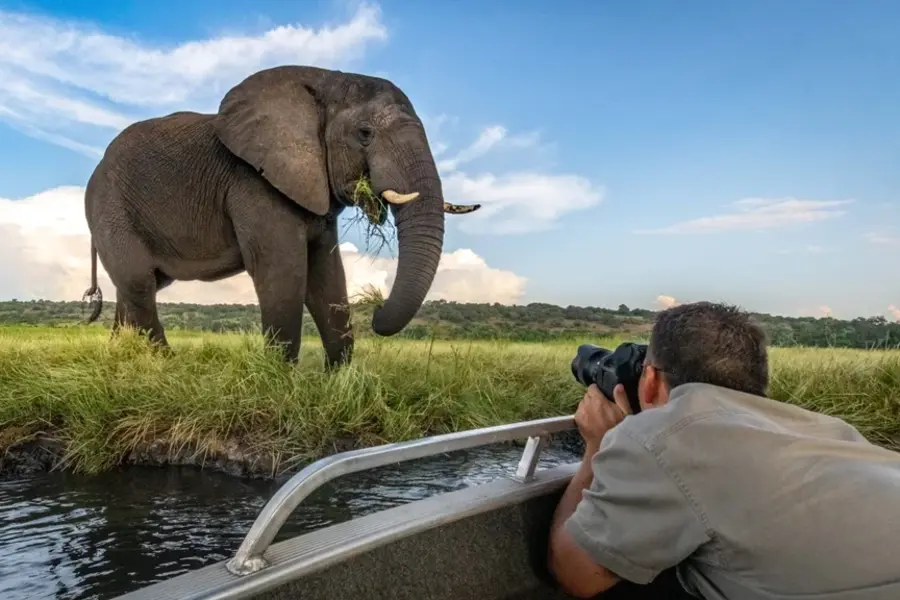
Pangolin offers photo safaris in Botswana, Kenya, Uganda, and more, including set departures and bespoke itineraries.
-
Packages include twice-daily photography drives, expert photo-hosts, gear support (camera rental free in some cases). Example: 4-day Chobe Hotel package or a 10-day Chobe/Delta/Kalahari experience.
-
The tourism operator emphasises photo-specific vehicles, photography tuition, and mixing wildlife sighting with camera learning.
Benefits for families:
-
Because they emphasize photography, kids and adults can participate alike: kids might use simpler cameras or even smartphones while parents use DSLR gear, and everyone learns.
-
You can book a family-friendly vehicle or departure group, allowing everyone to stay together while learning photography.
-
The result: a holiday where your family returns with meaningful wildlife images, improved photography skills, and stories of working together behind the lens.
Use Case:
You want a safari where the whole family uses photography as the central activity. You choose a Pangolin 7–10 day Botswana or Kenya itinerary. Morning and afternoon drives let your family capture wildlife in golden light. The photo-host helps your kids learn camera basics during downtime. You bond over reviewing images each evening under the stars. The problem solved: the usual issue of kids losing interest or parents dominating the safari experience, here everyone is engaged behind a camera.
How to Buy / Where to Buy:
Click the link above to view available dates, destinations, and pricing.
2. Wild Eye – Family & Photography Safari Tours
Details & Features:
-
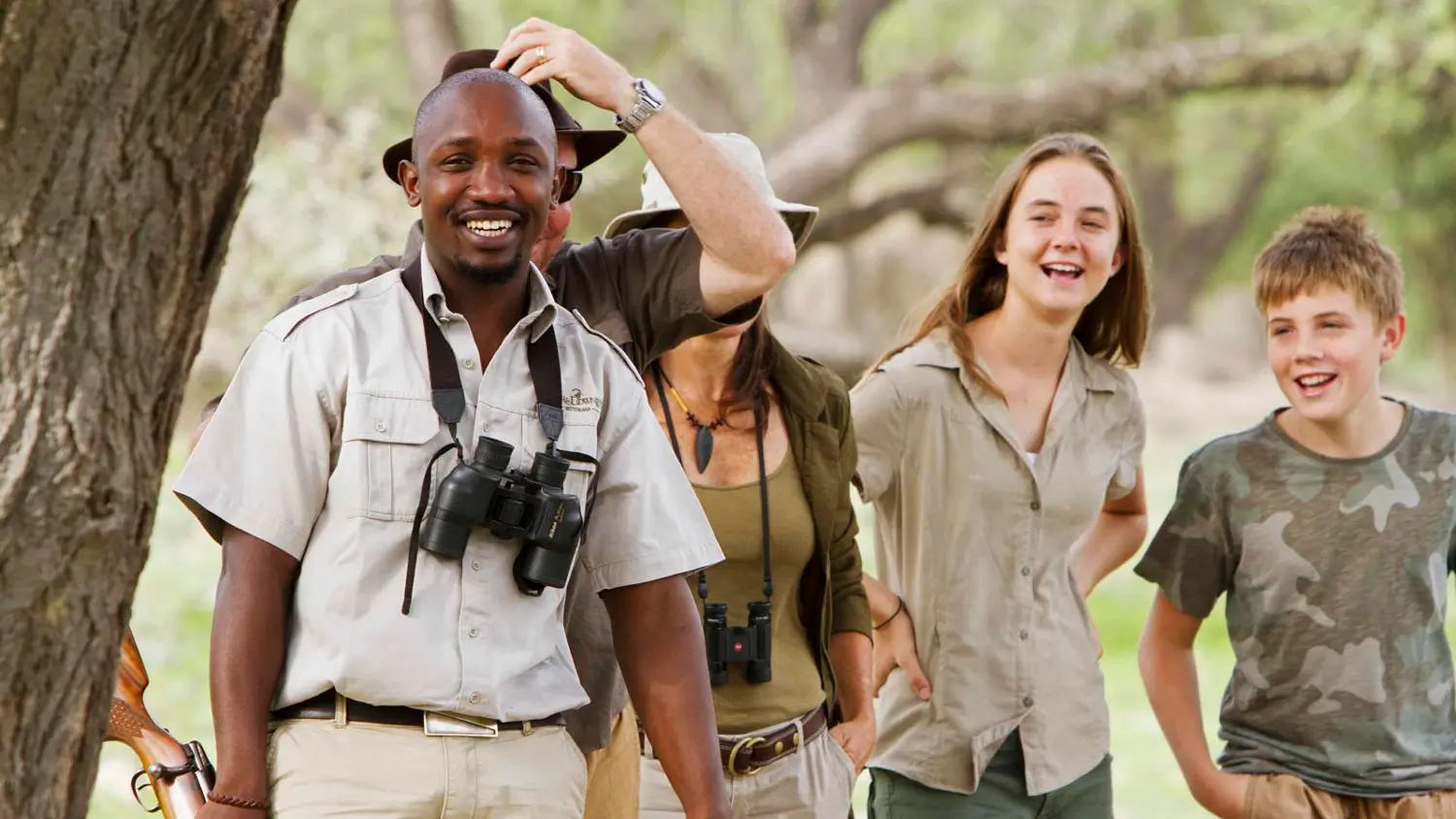
Wild Eye specialises in photography safaris and tours, including family safaris, small groups, and custom itineraries.
-
They list family safari and photography tour options explicitly, e.g., “Photography Safaris & Tours for families, groups, solo travellers or couples.”
-
Destinations include Africa, India, Brazil, the Arctic, etc. They provide photography-hosted tours for beginners and advanced alike.
Benefits for families:
-
Multi-generational family groups are supported, so you can bring grandparents, parents, and kids all engaged.
-
The photographic element ensures that every family member can participate at their level (phone, mirrorless, DSLR).
-
More flexible destinations allow families looking for a mix of safari & photography to choose what matches their style and stamina.
Use Case:
You have a family of five spanning ages 10–60. You want a safari that engages everyone, not just the wildlife, but also has a purpose. Choose Wild Eye’s photography safari in Kenya or Tanzania. The older adults use DSLRs; teens use mirrorless; younger kids use compact or phone cameras. A dedicated photography guide runs a session each afternoon. The children’s interest stays high because capturing images gives them a role. The problem solved: safari fatigue from passive observation turns into active photography involvement.
How to Buy / Where to Buy:
Click to browse family photography safari options and enquire about dates.
3. Asilia Africa – African Photo Safaris
Details & Features:
-
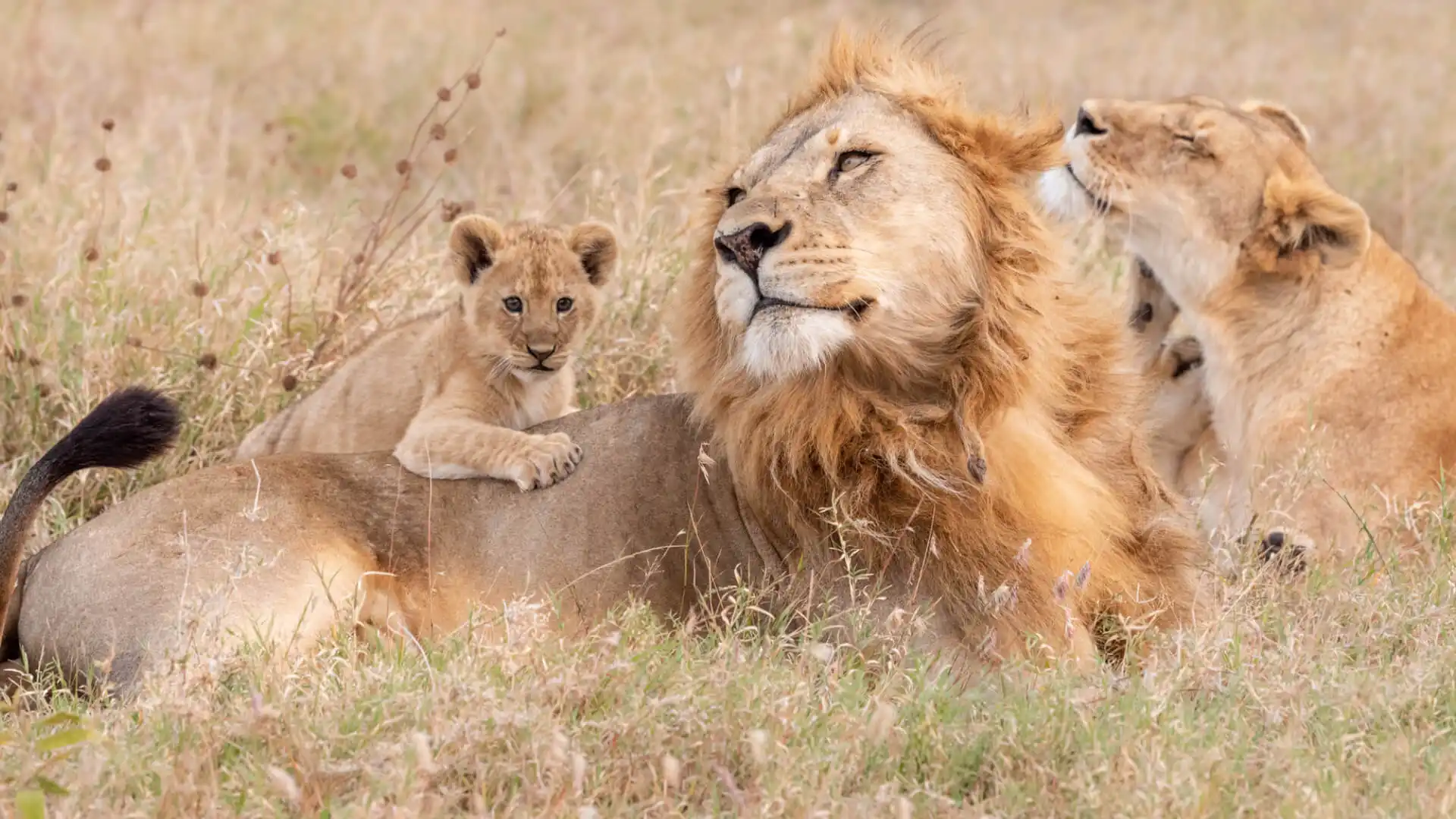
Asilia’s “African Photo Safaris” section emphasises photographic vehicles equipped with bean-bags, foam supports, charging ports, and seats that rotate 360° to optimize photography.
-
They note that guides trained in photography tutored by Nikon-led workshops help make the photographic safari experience exceptional.
-
They welcome photographers and non-photographers, which is good for mixed-skill families.
Benefits for families:
-
The vehicle setup means even kids or non-photographers have a comfortable vantage point and aren’t left out.
-
You get the safari experience, but bolstered by photography-friendly logistics, so fewer compromises between comfort, wildlife, and photography.
-
The dual design (photographer support + family access) means your holiday is both creative and relaxing.
Use Case:
Your family loves wildlife, but your child is also keen to learn photography. Choose an Asilia photo safari in Tanzania. The vehicle rotates, kids get comfortable vantage points, and parents set up shot angles. Evening review sessions help the child improve. The problem solved: standard safari vehicles may not allow comfortable camera angles for kids; here design supports everyone.
How to Buy / Where to Buy:
Browse photographic safari experiences and check family suitability.
4. Roar Africa Family Photographic Journeys
Details & Features:
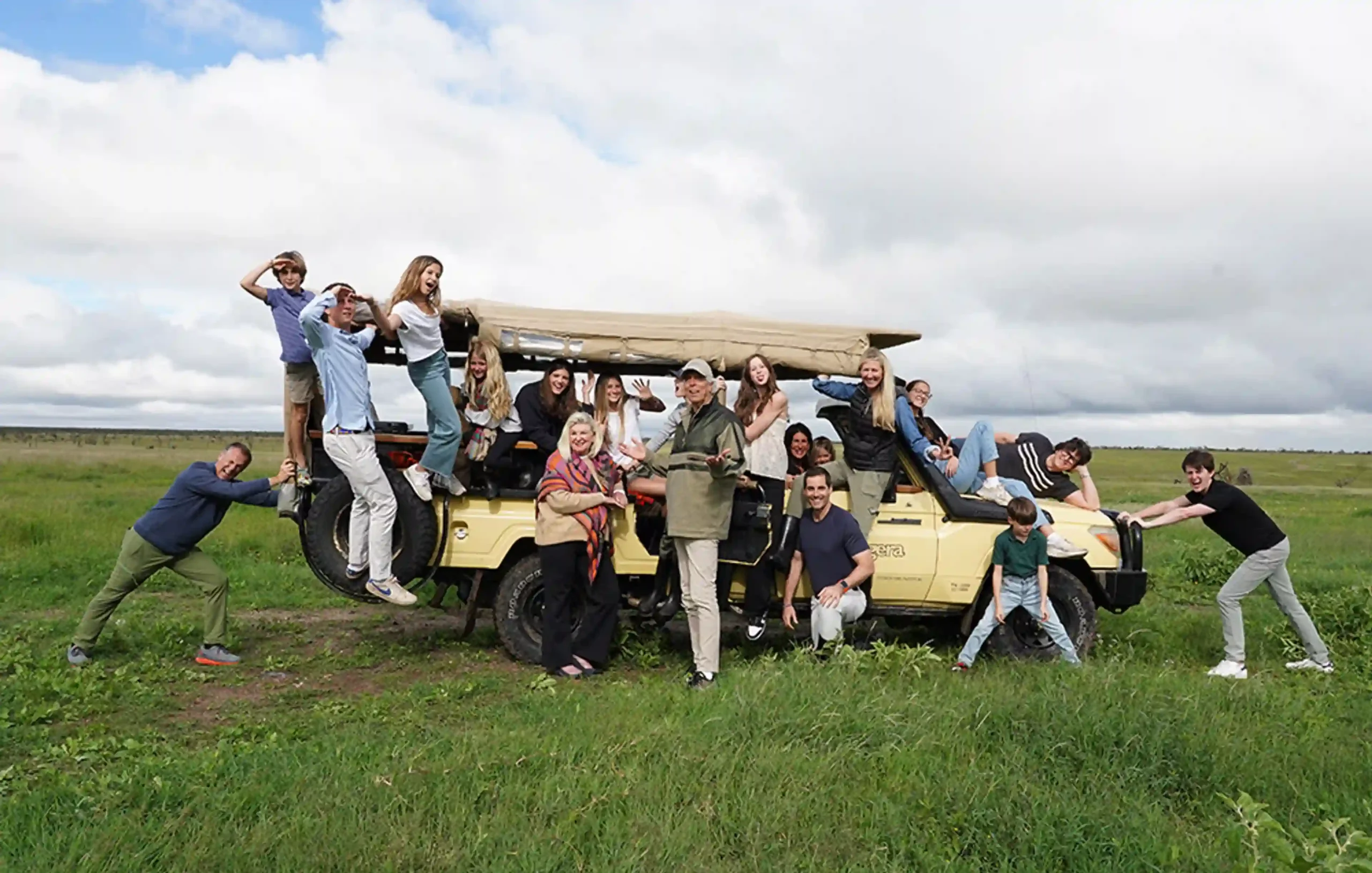
Roar Africa specializes in ultra-luxury safari experiences, offering family photographic journeys that blend top-tier comfort with immersive wildlife encounters. Each trip includes private air transfers, luxury tented suites, and access to professional wildlife photographers. Destinations include iconic locations like Kenya’s Laikipia Plateau, Zimbabwe’s Hwange National Park, and Botswana’s Okavango Delta.
Benefits for families:
-
Luxury Meets Learning: Families experience 5-star comfort while gaining creative and technical skills.
-
Tailored Educational Content: Workshops and on-site learning are adjusted for every age group.
-
Conservation Integration: Each booking contributes directly to wildlife preservation projects.
Use Case:
Ideal for families seeking a luxurious, all-inclusive wildlife photography adventure. ROAR AFRICA’s curated approach solves common travel pain points such as managing transfers, long drives, or limited child engagement by ensuring every experience is customized and educational.
How to Buy / Where to Buy:
Bookings can be made through Roar Africa’s official site, with personal travel consultants available for custom family itineraries.
5. G Adventures Family Photography Tours
Details & Features:
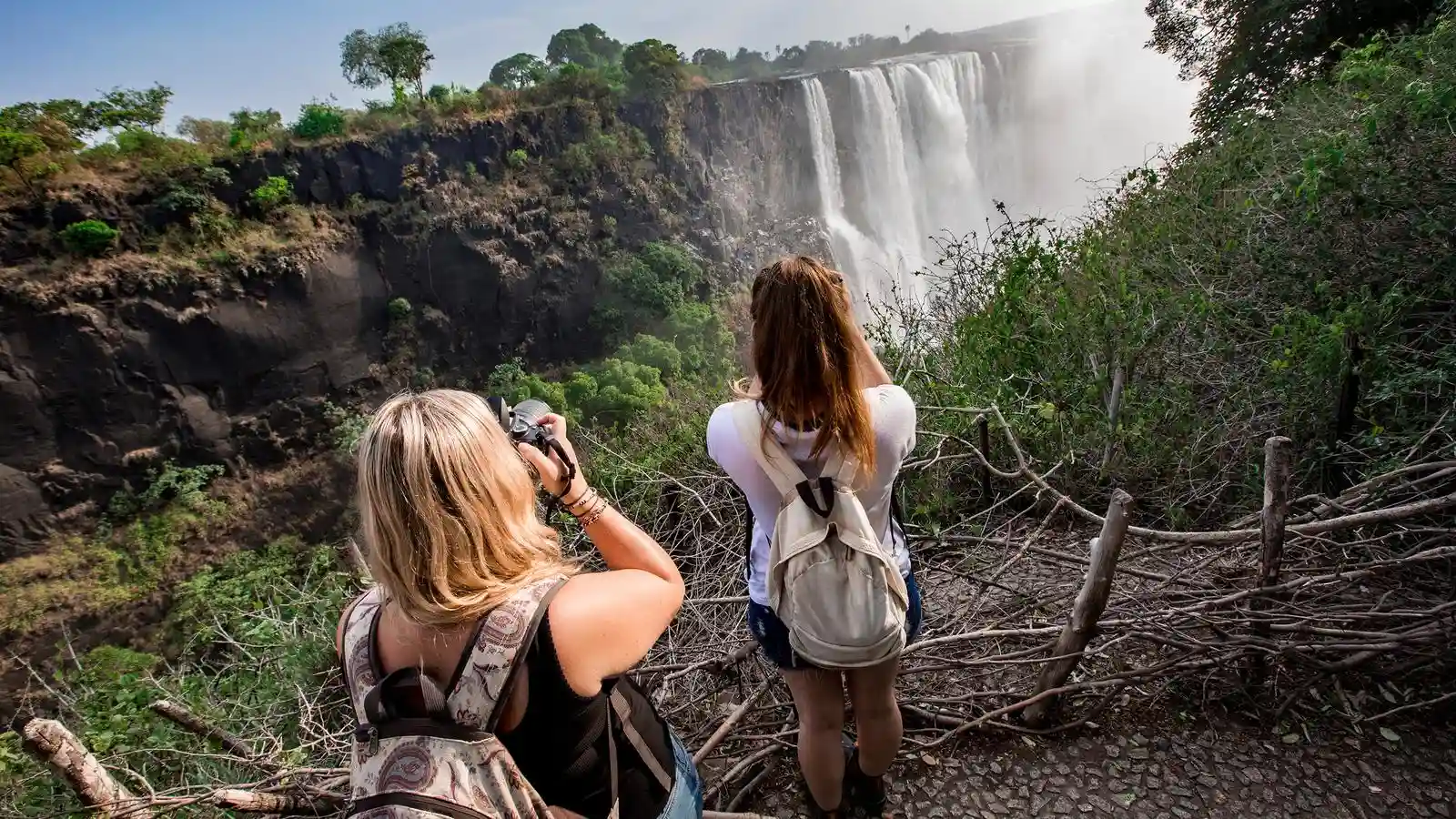
G Adventures offers small-group, sustainable family tours designed for education and cultural connection. Their Family Photography Tours allow participants to explore diverse ecosystems from the African savanna to Costa Rican rainforests while learning photography basics.
Tours typically include guided nature walks, eco-lodge stays, and hands-on photography sessions with local experts. Trips are capped at small group sizes (10–12 people) to maintain personal attention. Families can expect immersive experiences like bird photography, rainforest macro sessions, and night wildlife tracking.
Benefits for families:
-
Affordable and Educational: Lower prices compared to luxury safaris, without compromising on quality.
-
Sustainable Travel: All trips are carbon offset and support local community projects.
-
Cultural Enrichment: Families meet indigenous guides and learn about biodiversity and traditions.
-
Child-Friendly Lodges: Accommodations are chosen for comfort and accessibility for all ages.
Use Case:
Families who want a responsible, moderately priced photography safari will find G Adventures ideal. The tours solve the problem of balancing budget and quality while offering valuable cross-cultural learning opportunities.
How to Buy / Where to Buy:
Families can browse destinations and book online via G Adventures’ official website, with flexible payment options and seasonal promotions.
How Using Photography Technology Enhances the Safari Experience
In a family nature photography safari tour, the photography “technology” includes both the gear (cameras, lenses, mounts, vehicles) and the process (composition, timing, editing). Here’s how leveraging technology benefits your family trip:
-
Gear accessibility: Many operators supply or support photography gear. For families, this means you don’t have to invest heavily in high-end equipment if one member has basic gear; the tour support helps. For example, Pangolin mentions that even smartphone photographers are welcome.
-
Specialised vehicles & supports: Vehicles with bean-bags, swivel seats, camera mounts enable better photographing in comfort and safety. Asilia mentions seats that rotate through 360° and bean-bags for lens support.
-
Learning & mentoring: Technology isn’t just hardware; there’s software and process settings, composition, and editing. Many tours include brief photography tuition. The more proficient you become, the more your family will enjoy capturing and sharing images.
-
Shared digital memories: With today’s photo-sharing, families can store, edit, and share their safari images easily. Having guided photo review sessions helps elevate the result from “holiday snaps” to meaningful shots.
-
Engagement for children: Tech draws kids in, giving them a camera or smartphone makes them active participants, not passive onlookers. They learn framing, patience, and observation. This increases their engagement and enjoyment of the wildlife part of the safari.
-
Quality of capture leads to deeper interest: When you get good images (thanks to vehicle support + guide help + gear), you and your family are more invested: staying alert for light, behaviour, composition, and this makes the entire wildlife experience richer.
Thus, by choosing a tour that emphasises photography technology and support, you enhance your family safari from passive travel to an interactive, skill-building, memory-making adventure.
What Problems Do These Tours Solve & Why You Should Use One
In many conventional family holidays or even safari holidays, families face certain recurring issues: children get bored, parents dominate the activity, limited engagement for younger family members, travel becomes tiring, memories fade, never-ending “I saw something” but no structured experience. A family nature photography safari tour addresses and solves many of these issues:
Problem: Kids lose interest in passive sightseeing
Solution: By giving children cameras or assigning them ‘photographer roles’, the tour provides a purpose and involvement. They are no longer passive; they are active recorders of the experience.
Problem: Families want meaningful memory-making, not just snapshots
Solution: With photo-focused tours, the emphasis is not just on seeing a lion or zebra, but capturing and reflecting on the moment. This turns the holiday into a shared project and gives keepsakes beyond just photos.
Problem: Parent interest vs child interest disparity
Solution: Photography bridges that gap. Parents may be interested in wildlife; kids in cameras or tech. A photo-safari blends both by offering wildlife + photography. That means everyone participates.
Problem: Travel fatigue or complicated logistics for kids
Solution: Many of the tours mentioned above (see the five examples) provide family-friendly logistics, appropriate pacing, and combine interest and comfort. This means children are less likely to become disengaged or tired.
Problem: Poor image quality or regret of no good memories
Solution: The gear, vehicles, and photographic support mean your family is more likely to return with high-quality images rather than blurry snapshots. That increases satisfaction and keeps the story alive long after the trip.
Why You Should Use One
If your family:
-
enjoys nature and wildlife
-
has some interest in photography (even casual)
-
wants a holiday that is more than just sightseeing
-
wants to engage children meaningfully
-
values high-quality memories and storytelling
Then, a family nature photography safari tour is a great choice. It turns vacation into a creative, shared experience, builds skills, fosters connection, and creates lasting visual memories.
How to Buy & Where to Buy – Booking Your Family Nature Photography Safari Tour
Step-by-Step Guide
1: Define your family’s goals and constraints
-
-
Ages of children (younger kids may limit certain activities)
-
Regions you’re willing to travel (Africa, Asia, Latin America)
-
Skill level in photography (honeymoons vs beginners)
-
Budget, travel time, and lodging comfort expectation
-
Time of year (wildlife season, light conditions, school holidays)
-
2: Short-list tour operators
From the five examples above, choose a few that suit your family’s style.
-
-
Pangolin Photo Safaris is ideal for specialized photo safari families
-
Wild Eye family + photography focus with flexibility
-
Asilia Africa photo-vehicle tech + family support
-
Roar Africa manageable travel for families, South Africa
-
G Adventures Safaris multigenerational + photography worldwide
-
3: Check tour details & photography inclusion
-
-
Group size, vehicle support, photo-host vs guide, gear support
-
Age restrictions, accommodation type, child-friendly features
-
Photo review sessions, tuition, equipment rental, or provision
-
Wildlife & nature content (will it be rich enough for photo subjects?)
-
4: Compare cost vs value
-
-
Does th.e price include drives, photography support, guide, lodging, and meals?
-
Are there add-ons (gear rental, single supplement, photo-host surcharge)?
-
Are children priced differently? Family suite options?
-
5: Book early
-
-
Photo-safari tours often have limited group size and highly sought dates (wildlife season).
-
Family suites or interconnecting rooms may be limited.
-
Make sure photography gear support is confirmed.
-
6: Prepare before you go.
-
-
If possible, ensure your camera/phone gear is ready (or plan to rent).
-
Discuss with your kids how they will participate (camera, phone, simple roles).
-
Review basic wildlife and photography tips (behaviour, light, composition) to maximize experience.
-
Pack comfortable gear for safari: good walking shoes, hat, sunglasses, camera bag.
-
7: On the tour
-
-
Encourage your children to frame shots, pick moments, and share their images each evening.
-
Use the photo-host or guide to engage kids: what animal behaviours, what lighting, what story behind the image.
-
Make photography a shared event: review together, discuss what worked and what you’d try next.
-
Enjoy the balance: wildlife viewing AND photography, don’t let either dominate.
-
Frequently Asked Questions
Q1: Do I need to be a professional photographer to go on a family nature photography safari tour?
A: No, most operators explicitly welcome beginners, families, and mixed‐skill groups. For example, tours emphasise that photographic safaris are for “every skill level, from absolute beginners to experts.” The key is that you’re comfortable bringing a camera or smartphone, and you’re willing to engage with the process.
Q2: What kind of photography gear do we need for these types of tours?
A: While high-end gear helps, it’s not strictly required. Good composition, light awareness, and patience matter more. Many tours offer support gear (bean-bags, swivel seats) and some even supply rental gear (see Pangolin). Families can mix gear levels: parents use DSLR or mirrorless, kids use compact cameras or phones. Ensure you know your equipment ahead of time and that you’re comfortable with it.
Q3: Are these tours suitable for younger children (say under age 10)?
A: Yes, many family-friendly photo-safari tours cater to children, though some activities (walking safaris, early starts) may have age minima. When booking, check the specific child policy, accommodation options (family suites), and whether the pace and logistics suit younger children. The photography focus actually helps engage younger families because it gives them a purpose and friendly technology.