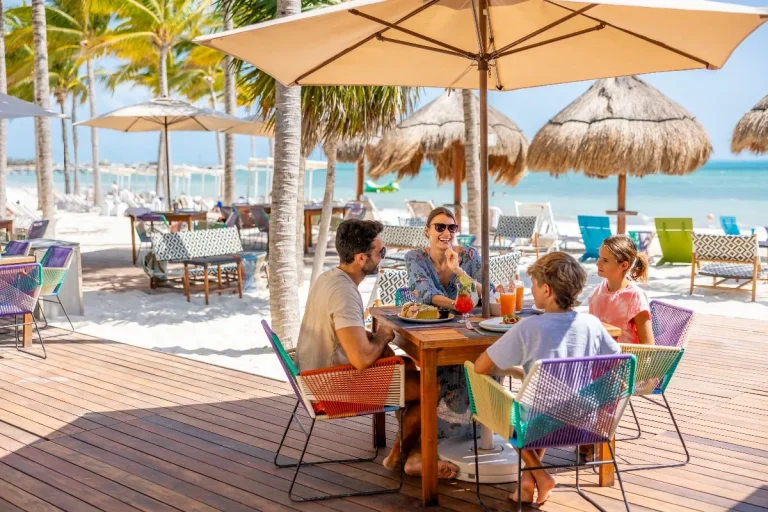
Book Carbon Neutral Family Holiday Destinations – Sustainable Travel Options
Key Components of a Truly Carbon Neutral Destination
-
Emissions Measurement & Transparency
The destination or operator must measure the carbon footprint of the guest’s travel, accommodation, and activities transparently. -
Emissions Reduction & Low-Carbon Infrastructure
Use of renewable energy (solar, wind, hydro), efficient buildings, electric or low-emission transport, waste minimization, water recycling, and sustainable materials. -
Carbon Offsetting
Residual emissions that cannot feasibly be eliminated are offset via verified carbon credits or projects (e.g., reforestation, renewable energy, carbon capture). -
Local Ecological & Community Benefits
The offset and sustainability projects should support local ecosystems and community development, not just global carbon markets. -
Family-Friendly Features
The destination must offer family-appropriate amenities, safety, kid programming, and accessible logistics.
Destinations claiming carbon neutrality without independent verification, or relying purely on offsetting without reduction, risk being superficial. In 2024, the European Union moved to restrict misleading “climate neutral” claims that rely solely on offsets.
Therefore, families should seek destinations that combine reduction, measurement, transparency, and local benefit.
Benefits of Choosing Carbon Neutral Family Holiday Destinations
Opting for such destinations brings multiple advantages beyond goodwill. Here are what families gain.
Environmental Impact & Legacy
Your trip leaves less carbon in the atmosphere, preserving ecosystems, wildlife, and local natural beauty for future generations. Children gain firsthand knowledge that fun and responsibility can coexist.
Health, Quality & Authentic Experience
Low-carbon infrastructure often means cleaner air, native planting, renewable energy, and less noise pollution. You also experience authentic local life rather than mass tourism.
Trust & Transparency
Destinations with verifiable carbon-neutral claims tend to maintain higher standards of care and accountability. You’ll have better assurance that your stay aligns with values, rather than greenwashed marketing.
Educational Value for Kids
Visiting places that model carbon neutrality helps children understand climate action in practice. Activities may include visiting renewable energy sites, reforestation projects, or educational tours that link travel to conservation.
Market Differentiation & Future Demand
As global travel scales, demand for carbon-neutral options will rise. Booking now lets families access less congested, better-run destinations. It also sends a signal to the tourism industry that such practices are valued.
Real Destinations & Experiences That Approach Carbon Neutral for Families
Below are four destinations or travel models that are strong contenders or pioneers for carbon-neutral family holiday options. Each has unique merits and trade-offs.
1. Monteverde Cloud Forest, Costa Rica

Monteverde and the surrounding cloud forests are well known for conservation, biodiversity, and sustainable tourism infrastructure. Costa Rica itself has commitments to carbon neutrality through reforestation, renewable energy, and national policies. Many lodges in Monteverde rely heavily on renewable energy and invest in habitat protection.
Family Appeal & Activities
-
Family-friendly lodges with guided night walks, canopy tours, butterfly gardens, and wildlife spotting
-
Hands-on experiences with reforestation and forest restoration
-
Educational tours about carbon cycles, endemic species, and sustainable practices
Use Case & Trade-Offs
Families may choose Monteverde because it balances accessibility (from major airports), infrastructure, and strong eco credentials. While not every flight is neutral, many local operations maintain low-carbon operations. It’s ideal for families wanting both biodiversity immersion and credible sustainability practices.
2. The Azores, Portugal
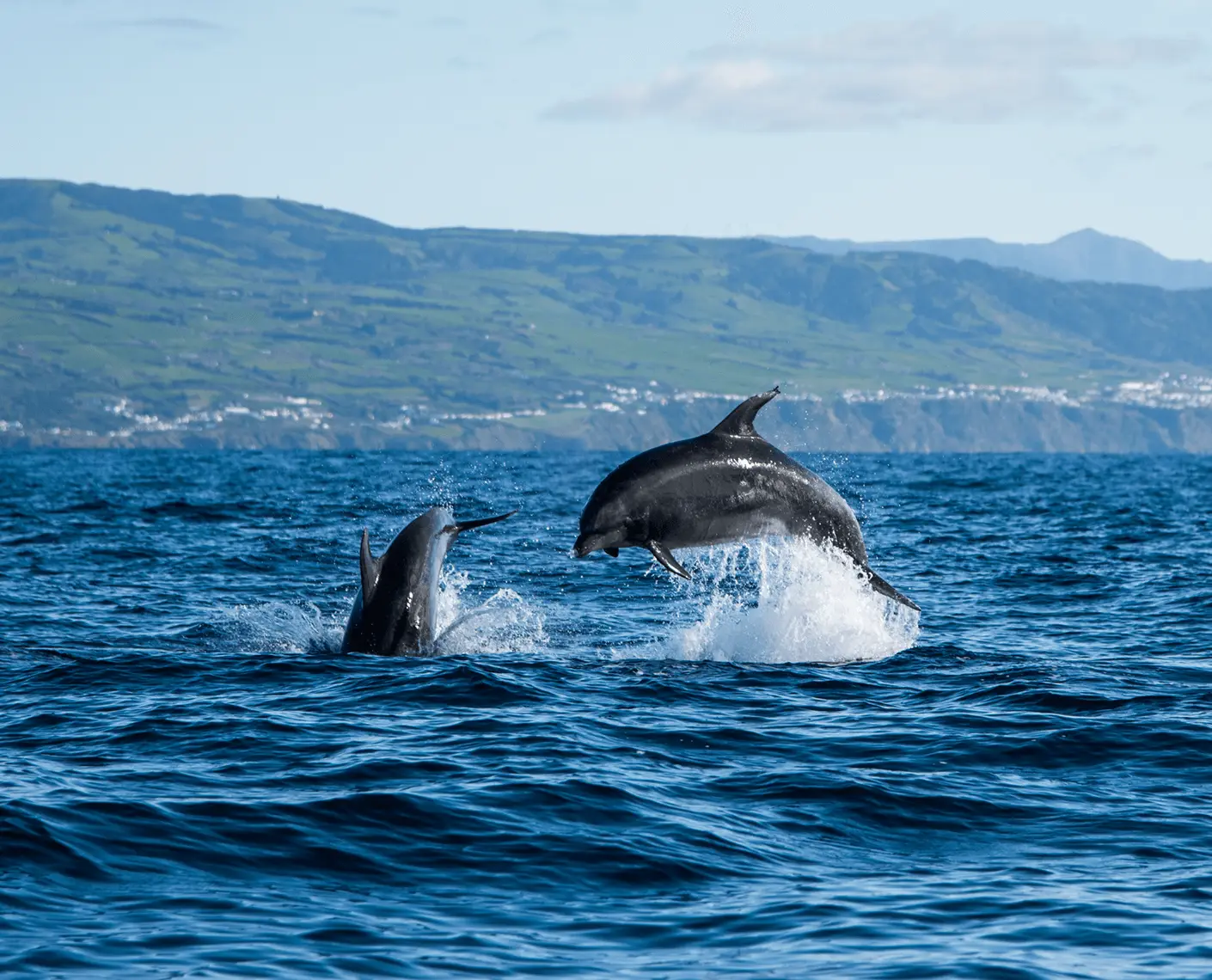
The Azores archipelago has been spotlighted as a sustainable tourism leader with renewable energy goals, geothermal energy, local food sourcing, and ecosystem restoration programs. It is often included in sustainable travel destination lists.
Family Appeal & Activities
-
Whale and dolphin watching, geothermal springs, hiking in volcanic landscapes.
-
Local orchestration of sustainable tours by boat and on foot
-
Community-based accommodations and farm stays
Use Case & Benefits
For families in Europe or willing to travel moderately, the Azores offers a relatively accessible carbon-neutral possibility (especially when offsetting transit). The local infrastructure lends itself to low-impact exploration.
3. Tasmania, Australia

Tasmania is often recognized in sustainable destination rankings for wilderness management, protected areas, and ecological planning.
Family Appeal & Activities
-
Wilderness hikes, wildlife sanctuaries, eco farms, sea kayaking
-
Lodges with sustainability certification, low-impact architecture
-
Educational nature programs, National Park immersion
Use Case & Strategy
For families coming from Oceania or willing to cross the Pacific, Tasmania offers a remote, wild, well-managed option. You mitigate the flight’s emissions by choosing lower-emission carriers or long-duration cruise+rail alternatives, then rely on low-carbon local systems.
4. Alberta’s Dinosaur Provincial Park, Canada
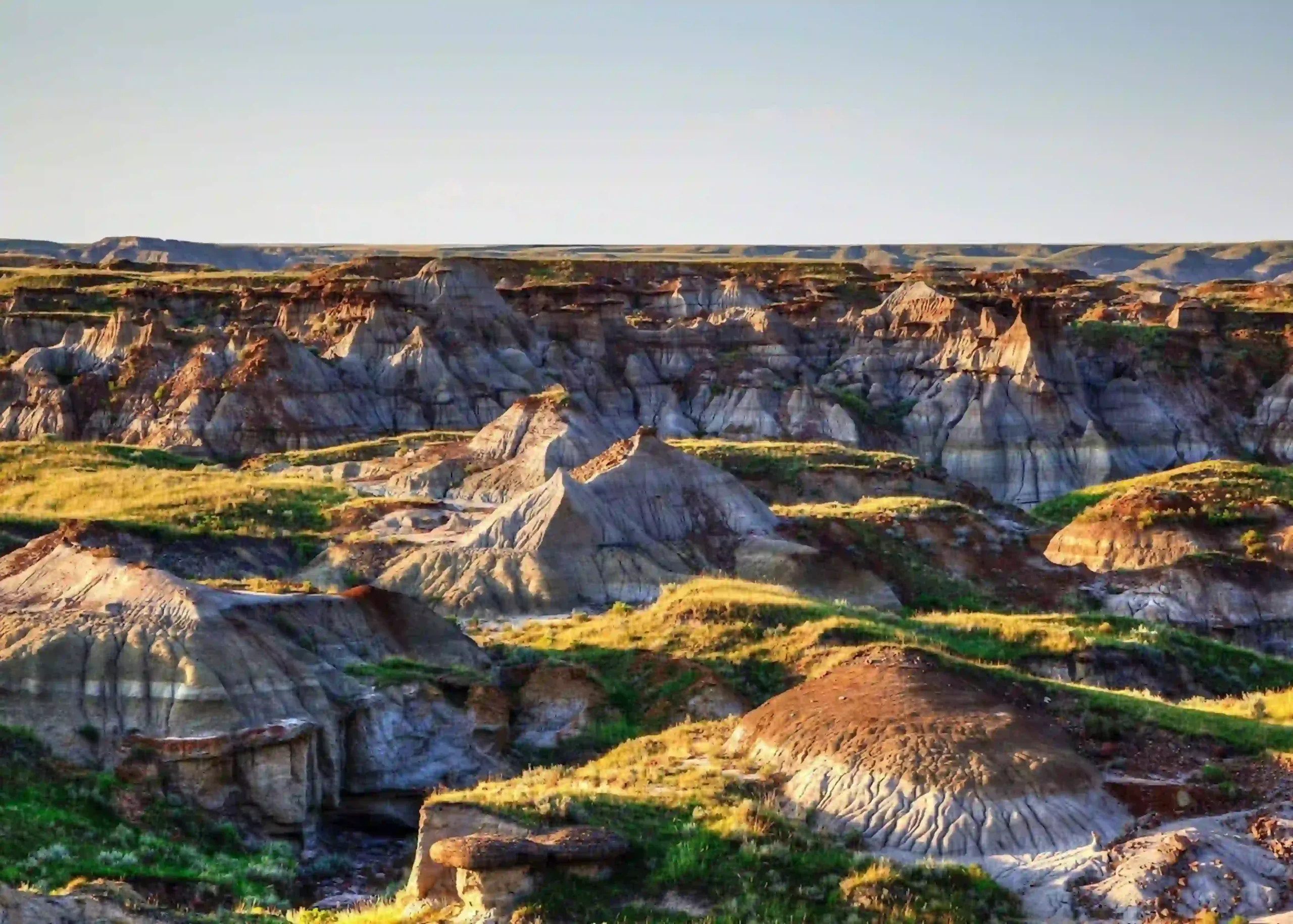
In Canada’s sustainable travel list, Dinosaur Provincial Park is highlighted for combining paleontological value, conservation, and an eco-tourism approach.
Family Appeal & Learning
-
Family fossil tours, guided walks, and interpretive centers for children
-
Local low-impact lodging and nature-based stays
-
Close to functional transit or drives to reduce additional flights
Use Case & Advantages
For North American families, this destination helps reduce overall emissions due to proximity. It offers strong educational and environmental alignment without extreme remoteness.
Carbon Offset Tools You Can Use (Products / Instruments)
Even destinations that are well-managed often cannot eliminate all emissions, particularly from transportation and residual services. Carbon offset products let you bridge that gap. Below are five real offset products you can purchase to make your family holiday closer to carbon neutral.
1. Biodiverse Reforestation Carbon Offsets, Australia
This offset supports reforestation projects in Australia with emphasis on biodiversity planting native tree species, restoring habitat corridors, and monitoring ecological outcomes.
Benefits & Use Cases
-
Offsets emissions from flights or ground transport
-
Supports local ecosystem regeneration
-
Useful when your travel includes Australia, or carbon credits can be globally applied
Problem Solved & Why You Need It
For a family trip that must include a long-distance flight, this offset compensates for CO₂ while contributing tangible environmental benefits. You need it to credibly claim or approach carbon neutrality.
Where & How to Buy
You can purchase this offset online from verified carbon credit platforms. Often sold per ton or fraction thereof.
2. Carbon Offsets, REDD+, Indonesia
This offset supports REDD+ (Reduced Emissions from Deforestation and Degradation) projects in Indonesia, protecting high-carbon tropical forests and communities.
Benefits & Use Cases
-
Excellent for travelers to Southeast Asia (ties to regional ecology)
-
Helps conserve endangered tropical forests
-
Adds socio-environmental value (community benefit, habitat protection)
Problem Solved & Why You Need It
Because tropical deforestation is a major carbon source, investing in avoidance protects both carbon stocks and biodiversity. For families traveling in Asia, this offset is regionally meaningful.
Where & How to Buy
Available via platforms listing VCS / Gold Standard REDD+ credits.
3. Offset Business Travel Domestic Accommodation | Carbon Positive Australia
Though geared toward business travel, this offset product applies to domestic travel and accommodation segments, allowing you to offset emissions from lodging and local travel.
Benefits & Use Cases
-
Useful when your holiday includes domestic legs (hotels, car rides)
-
Granular offset by segment if you don’t want to offset the full flight
Problem Solved & Why You Need It
Many offsets are flight-focused; this product lets you neutralize lower-level sources (car, hotel) that otherwise go unaddressed.
Where & How to Buy
Purchase via the Carbon Positive Australia portal or affiliated offset registries.
4. Permanent Collection Carbon Offset
A generic carbon offset from a “Permanent Collection” offering funding for long-term, verified carbon sequestration or reduction projects.
Benefits & Use Cases
-
Flexible option usable for any part of your trip
-
Helps cover residual emissions you cannot eliminate
Problem Solved & Why You Need It
For emissions that remain after all reduction efforts, this offset helps you close the gap and credibly claim near carbon neutrality.
Where & How to Buy
Available via carbon registry websites or offset platforms.
5. Carbon Offsets, Run‑of‑river Hydro, India
This offset invests in small-scale run-of-river hydro projects in India, which generate renewable energy without large dams or reservoirs.
Benefits & Use Cases
-
Supports sustainable energy projects in developing markets
-
Blue and green carbon benefits combined
Problem Solved & Why You Need It
It’s a clean energy offset aligned with reduction strategies. It helps balance emissions from your trip while contributing to expanding renewable capacity in emerging regions.
Where & How to Buy
Accessible via carbon credit registries that list VCS or Climate Active hydro credits.
How Destinations & Operators Use Technology & Systems to Achieve Carbon Neutrality
Achieving carbon-neutral status is more than offsets; it relies on systemic technology, infrastructure, and sustainable systems.
Renewable Energy & Microgrids
Destinations often deploy solar, wind, biomass, or small hydro systems. Microgrids with battery storage allow a consistent energy supply. This reduces reliance on diesel generators, which are carbon-intensive.
Efficient Buildings & Passive Design
Using orientation, insulation, green roofs, and natural ventilation, resorts minimize energy use. LED lighting, smart thermostats, and energy monitoring systems further cut consumption.
Electric & Low-Emission Transportation
Shuttle vehicles, electric bikes, or EVs for local mobility reduce emissions within the destination. Some places even replace traditional vehicles with solar-powered boats or electric ferry systems.
Smart Monitoring & Guest Nudging
Digital platforms or in-room interfaces can show real-time electricity, water usage, and emissions linked to guest behavior. Personalized nudges encourage guests to turn off lights, reuse towels, or reduce food waste.
Waste, Water & Circular Systems
Modern destinations invest in zero-waste policies, composting, greywater recycling, water harvesting, and local sourcing. Some even use onsite biogas or anaerobic digesters for organic waste.
Verified Carbon Accounting & Offsetting Integration
Destinations integrate carbon accounting systems, tag guest emissions, and generate offset ratios. Some even let guests choose offset options at booking or during stay, increasing transparency.
These combined elements ensure carbon-neutral claims have substance, not marketing fluff.
How to Choose, Plan & Book a Carbon Neutral Family Holiday
Here’s a step-by-step method to select, plan, and reserve a carbon-neutral family trip.
Step 1: Define Your Priorities & Constraints
Decide how far you’re willing to travel, preferred climate, cultural context, and budget. Factor in acceptable duration and comfort level.
Step 2: Vet Destination Claims
-
Ask for carbon-neutral certification or a third-party audit
-
Check if they publish emissions data and reduction strategies
-
Review the balance between offsets and actual emission reductions
-
Ensure offsets support local or ecosystem projects
Step 3: Plan Routes & Transport
Reduce emissions by:
-
Taking direct routes (fewer takeoff/landing emissions)
-
Using rail or electric transport when possible
-
Reducing internal flights or using land/sea alternatives (e.g, overnight train)
-
Booking with airlines that have fuel efficiency policies or carbon offset options
Step 4: Bundle & Offset During Booking
Choose packages where carbon offset is included or optional. Use the carbon offset products above (or others) to cover any residual emissions.
Step 5: Choose Low-Impact Lodging & Activities
Pick resorts and tours that use renewable energy, low-emission transport, minimal waste, and strong sustainability practices.
Step 6: Monitor & Engage During Stay
Use guest dashboards, mobile apps, or lodge metrics to track your family’s footprint. Engage kids with learning tours, renewable energy demos, or reforestation planting.
Step 7: Evaluate & Publicize Post-Trip
Ask for your trip’s carbon summary (if offered). Share your experience, offsets used, and destination insights, helping other families and hardening market demand.
Summary & Final Thoughts
A carbon-neutral family holiday destination offers a blend of adventure, relaxation, and climate responsibility. True neutrality requires rigorous measurement, deep emission reductions, and locally beneficial offsetting. Use the destination examples above as inspiration, integrate carbon offset products for gaps, and be discerning in your choices.
Your trip can be more than a getaway; it can be a legacy of stewardship and a living classroom for your children.
Frequently Asked Questions (FAQ)
Q1: Can a holiday ever be 100% carbon neutral, especially with flights?
A1: Realistically, achieving absolute neutrality is extremely difficult, especially with long-distance flights. However, by combining aggressive reduction strategies (efficient transport, direct flights, renewable energy) plus high-quality offsetting, you can approach a very low net carbon footprint. The goal is “as close as possible,” not perfection.
Q2: How do I verify that carbon offset credits are trustworthy?
A2: Look for third-party verification under standards like VCS (Verified Carbon Standard), Gold Standard, or Climate Active. The offset projects should be transparent, audited, and deliver measurable results. Don’t accept vague promises, read project documentation, check registries, and prefer projects with local environmental, social co-benefits.
Q3: What is the right amount of offset I should buy for a family trip?
A3: First, calculate your estimated emissions (flights, transportation, lodging, activities). Many offset platforms provide calculators. Then purchase offsets equal to or slightly more than that estimate to cover uncertainties. Always document residuum and provide a margin for a buffer.