Buy Sustainable Travel Gear for Families – Eco-Friendly Essentials
Defining Sustainable Travel Gear (Especially for Families)
Not every “eco” labeled product is truly sustainable. For gear to qualify in the context of travel, especially family travel, it should meet certain criteria.
Core Qualities of Sustainable Travel Gear
A travel item can be deemed sustainable if it:
-
Is made from renewable, recycled, or natural materials (e.g., recycled PET, organic cotton, hemp, upcycled fabrics)
-
Uses non-toxic, low-impact dyes and finishes
-
It is durable, repairable, and long-lasting, so it does not need replacing frequently
-
Minimizes packaging and uses recycled or minimal packaging
-
Operates under ethical, transparent manufacturing (fair labor, eco certifications)
-
Has end-of-life consideration (recyclable, biodegradable, take-back programs)
For families, additional constraints matter:
-
Products must be safe, nontoxic, and child-friendly
-
They should be practical (lightweight, compact, modular)
-
They should support multi-person use (shared, modular, multi-age)
-
Easy to clean and maintain while on the road
When you read the examples below, watch for these traits in the design and marketing of the products.
Benefits of Choosing Sustainable Travel Gear for Families
Opting for eco-conscious gear isn’t just altruism; it delivers real advantages for your trip and for the planet.
Environmental & Ethical Benefit
Every sustainable gear purchase reduces demand for virgin materials, lowers waste, and supports brands that prioritize ethical production and supply chains. Over time, these choices can shift markets toward greener practices.
For families, the cumulative effect is meaningful: fewer disposables mid-trip, less plastic waste, and amplified demand for sustainable gear options.
Long-Term Cost Efficiency and Durability
Sustainable gear is often built to last. While the upfront cost might be higher, over time it outperforms cheaper alternatives that break or wear out, thereby saving money and waste from replacements.
Health and Safety
Eco gear tends to avoid harmful chemicals (such as PVC, phthalates, or toxic dyes). For children whose exposure matters more, this can reduce skin allergens and toxic load.
Educational and Value Modeling for Children
When children see families choosing durable, ethical gear, it reinforces values like stewardship, intentional consumption, and responsibility. Gear becomes a daily lesson in sustainable choices.
Better Travel Experience
Thoughtfully designed sustainable gear often incorporates smart design, modularity, ease of repair, and multipurpose features. That means less bulk, more flexibility, and fewer frustrations during travel.
Brand Transparency & Sustainability Advocacy
By supporting sustainable gear brands, you’re encouraging more companies to adopt eco practices. Over time, the consumer demand signal can nudge the travel gear industry toward greener norms.
Real-World Examples of Sustainable Travel Gear for Families
Below are five well-designed sustainable travel products that families can use. For each, you’ll find a detailed description, benefits, use cases, and where to purchase (with affiliate-style linking).
1. Sherpani Tempest Convertible Travel Tote
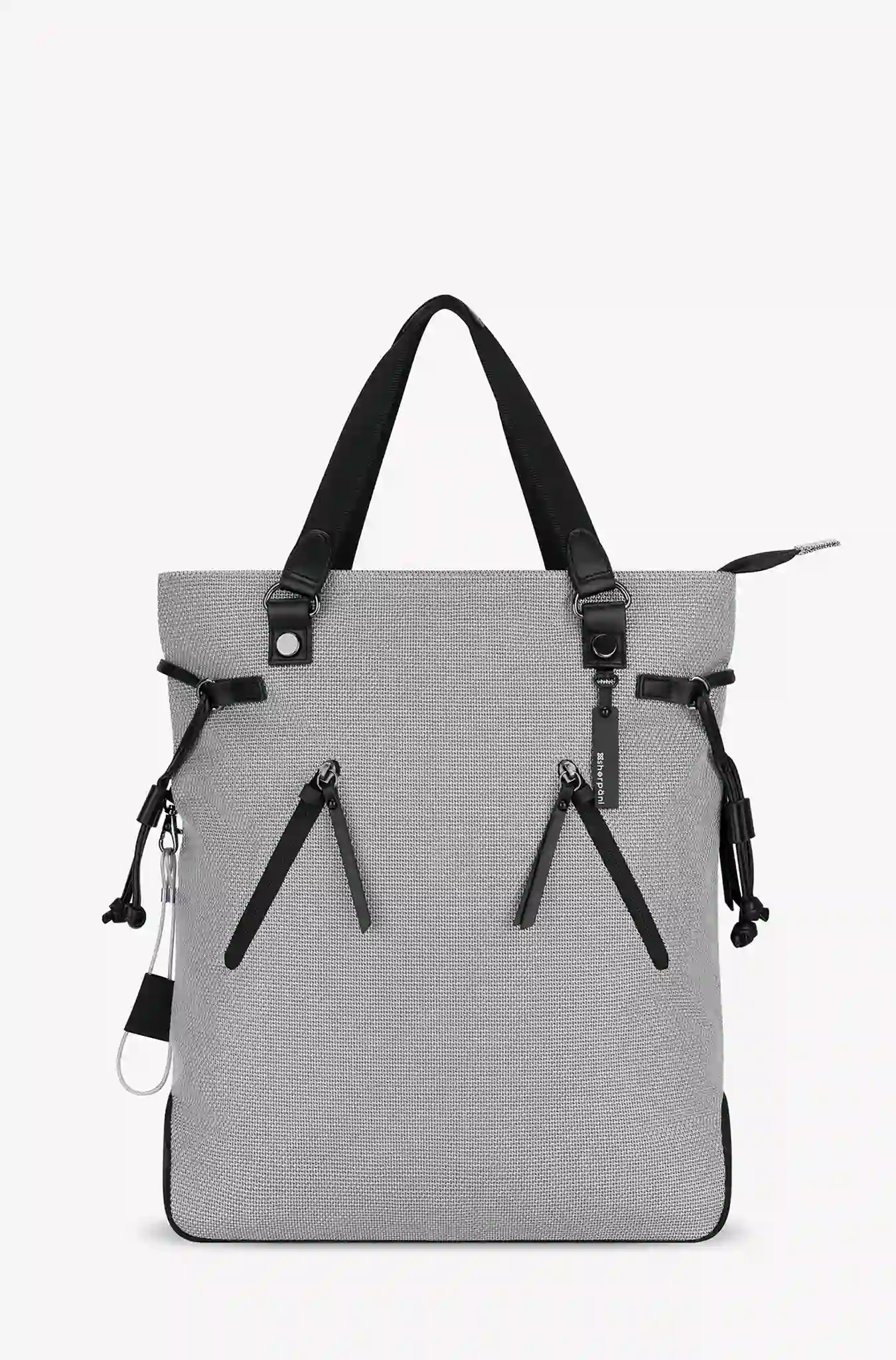
The Sherpani Tempest Convertible Travel Tote is an adaptable, multipurpose tote bag that converts into a carry-on or daypack. It is constructed from recycled materials and features durable zippers, water-resistant liners, and modular compartments for organization. Its design is sleek and lightweight yet strong enough for family journeys.
Sustainability & Material Quality
Sherpani is known for ethical practices and responsible sourcing. The Tempest Tote uses recycled fabrics and trims, with minimal packaging. Sherpani emphasizes durability and repairability, meaning this bag can last through multiple trips.
Benefits & Use Cases
-
Use it as a carry-on or personal item on flights
-
Convertible into a daypack or shoulder carry for sightseeing
-
Compartments suit sorting kids’ items, snacks, electronics
-
Helps reduce redundant bags (carry-on + daypack)
For families traveling with children, having one multifunction bag reduces overall luggage count and improves flexibility.
Why This Solves a Problem
Many families carry multiple bags: one for adults, one for kids, plus daypacks. The Sherpani Tempest convertible design consolidates these needs, reducing total weight and streamlining packing.
How & Where to Buy
You can purchase from Sherpani’s website, sustainable bag retailers, or ethical collections.
2. The Humble Co.’s Travel Kit
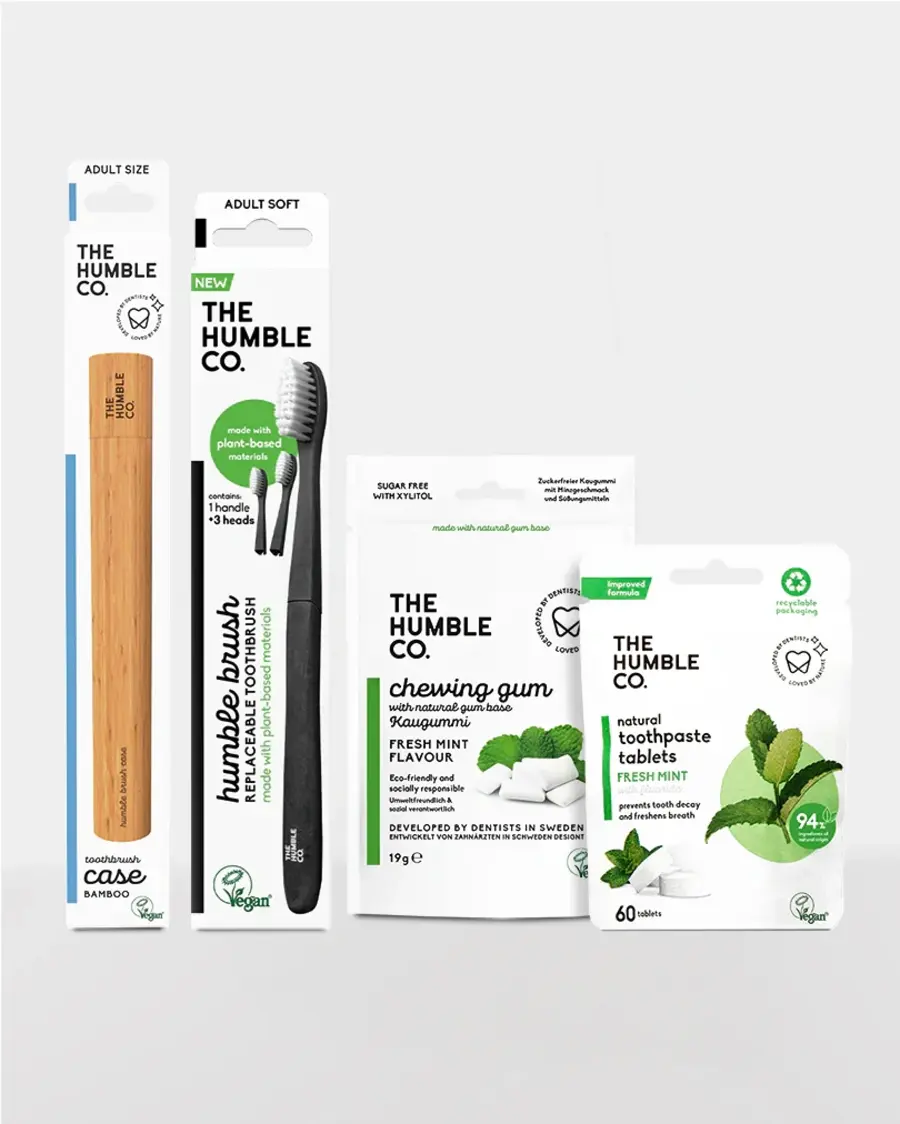
The Humble Co.’s Travel Kit is a compact toiletry set manufactured with sustainability in mind. It typically includes biodegradable toothbrushes, solid toothpaste or tablets, and refillable containers for travel essentials. It is compact, minimal, and designed for easy packing.
Sustainability Aspects
The kit uses biodegradable or compostable materials, minimal plastic, and refillable packaging. The brand emphasizes eco-conscious oral care and ethical material choices.
Benefits & Use Cases
-
Replaces single-use mini plastic toiletry bottles
-
Compact and airline-compliant
-
Ideal for children’s brushing or hygiene needs in transit
-
Reduces toiletry waste across multiple family members
Use Case for Families
During hotel stays or flights, many single-use toiletry items get discarded. This kit helps eliminate that waste for the entire family, while ensuring everyone has personal care essentials.
How & Where to Buy
Available via The Humble Co. official site or eco retailers.
3. Groundtruth 24L Recycled Ultimate Backpack
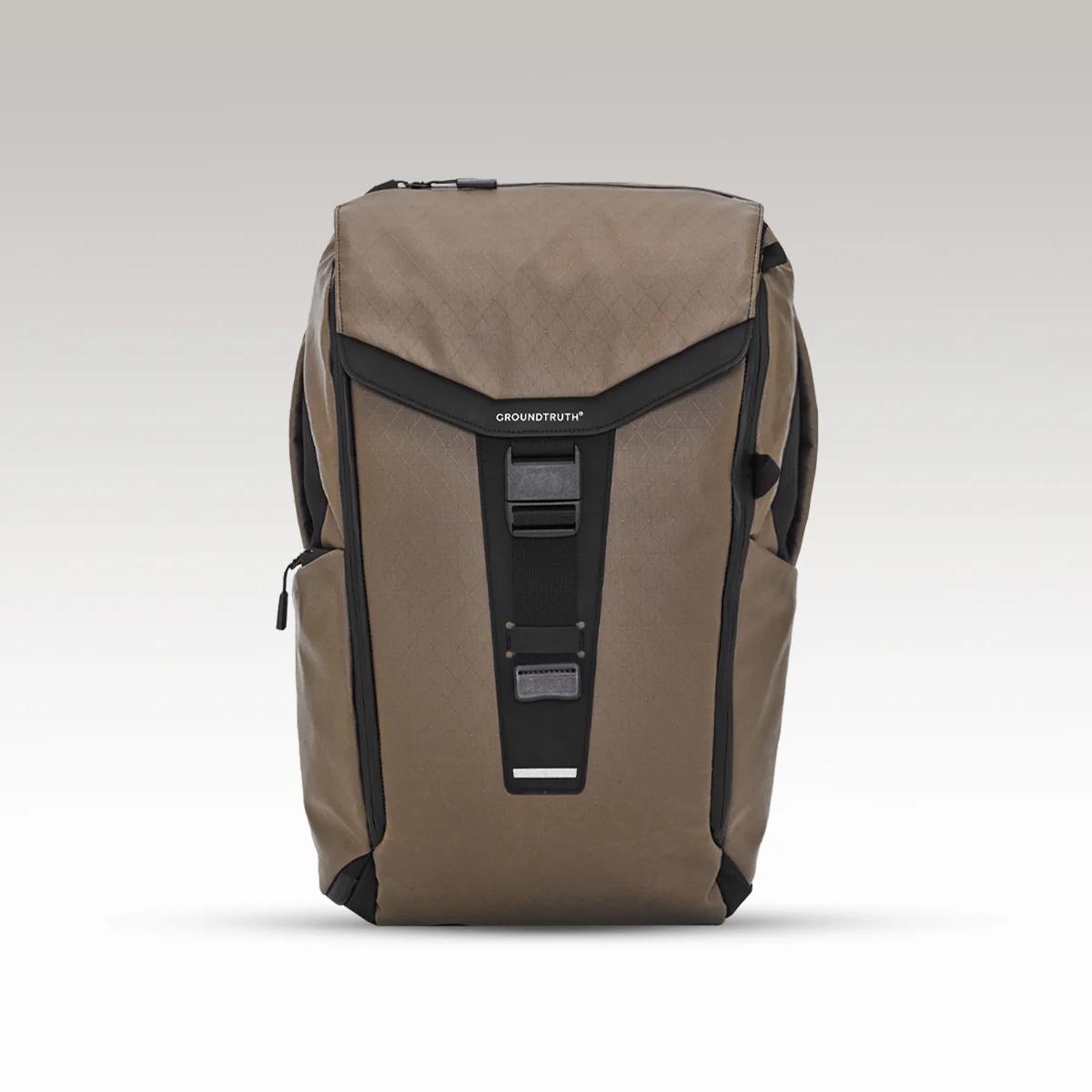
The Groundtruth 24L Recycled Ultimate Backpack is constructed from 100% recycled fabrics, designed for durability and ethical manufacture. It has multiple compartments, a hydration sleeve, a child-friendly ergonomic design, and water resistance.
Sustainability & Material Credentials
All fabrics are recycled (e.g., recycled PET), with eco-conscious dyes, and modular repair components. The brand highlights sustainable production and worker standards.
Benefits & Use Cases
-
Use it as a family daypack for trails or city exploration
-
Durable enough to carry kid gear and parent essentials
-
Compact but expandable design adapts to heavier loads
-
Reinforced stitching and repairable parts ensure longevity
Problem It Solves
Many daypacks wear out or tear mid-trip, especially under the strain of family use. This backpack’s recycled build and repairable parts mitigate that risk.
How & Where to Buy
Available on Groundtruth’s official store or outdoor sustainable gear retailers.
4. Latitud Fuego World Weekend Bag
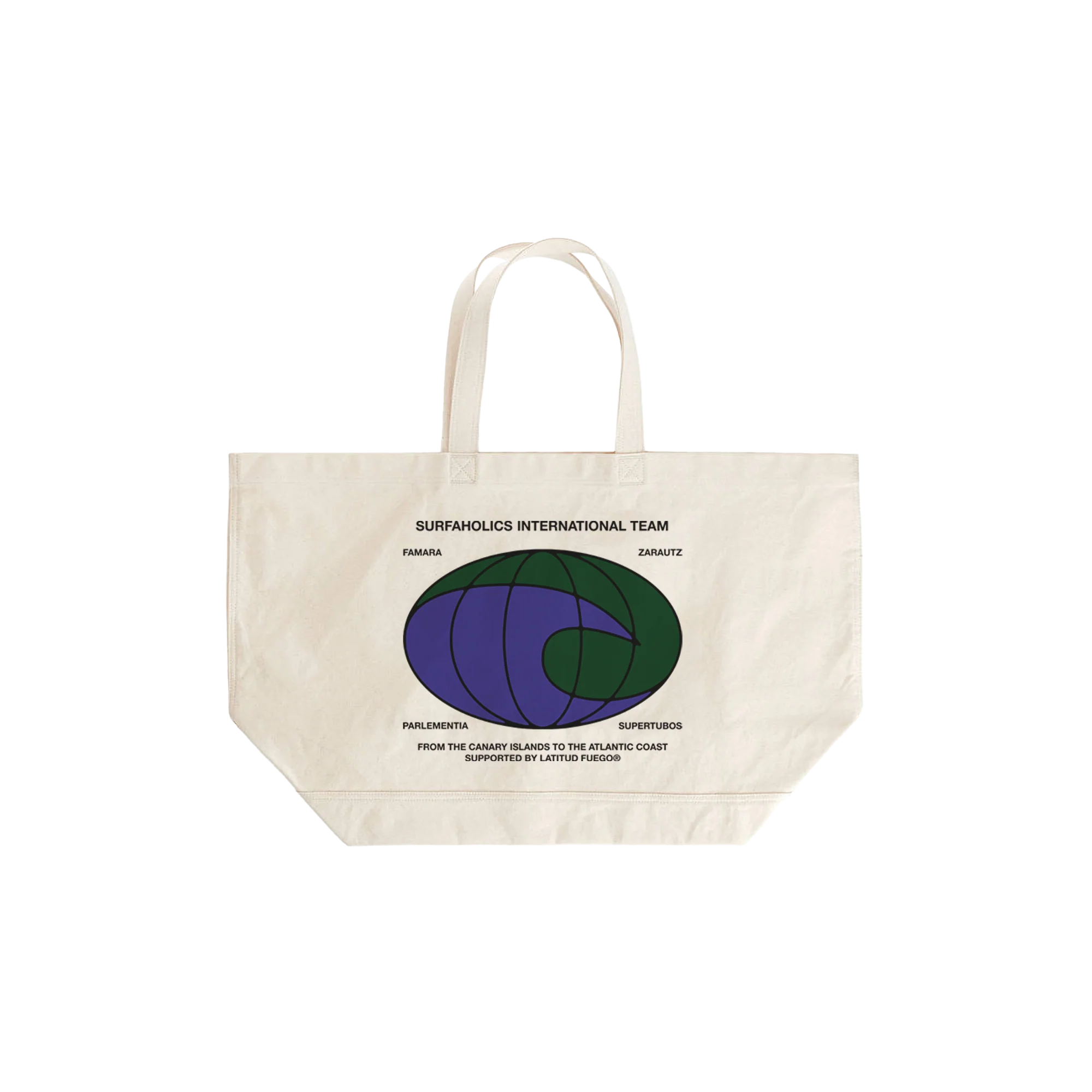
The Latitud Fuego World Weekend Bag is made of 100% organic cotton, with durable canvas construction, minimalistic design, and compostable packaging. It is sized for short trips or as a carry-on support bag.
Sustainability Highlights
Organic cotton, careful finishing (free of toxic dyes), and minimal waste packaging contribute to its green profile. It’s intended to last and age aesthetically.
Benefits & Use Cases
-
Perfect for weekend getaways or as additional luggage
-
Lightweight yet sturdy for family use
-
Good backup bag for kid items, laundry, or overflow
-
Encourages families not to overpack with heavy, synthetic luggage
Why It’s Useful
In trips where luggage space is tight, having a lightweight, sustainable backup bag helps distribute weight and carry overflow (souvenirs, extra clothes). Rather than using cheap tote bags, this bag holds up better and leaves a smaller environmental footprint.
How & Where to Buy
Order from Wasted Talent Boutique or sustainable gear shops.
5. ECOPAK Travel Pouch
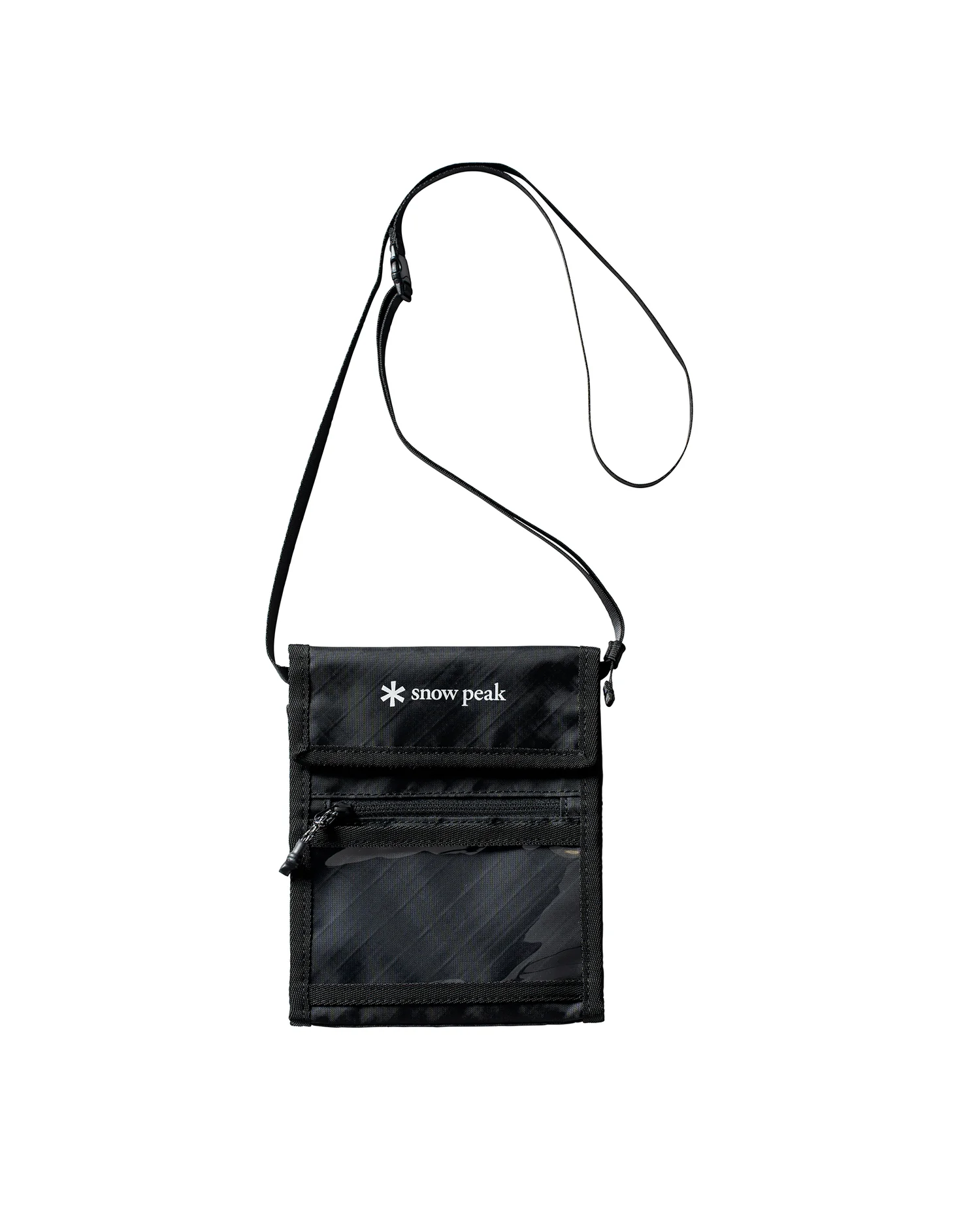
The ECOPAK Travel Pouch is designed to organize small travel items like chargers, cords, and toiletries. Made from recycled fabrics or sustainable materials, it features modular pockets, zip closures, and a compact, flexible design.
Sustainability Features
The materials are recycled or upcycled, minimalistic design, and durable zippers to extend lifespan. It avoids plas, tic too many internal organizers.
Benefits & Use Cases
-
Organize cables, small kits, first aid, and kids’ small items
-
Prevents clutter in larger bags
-
Makes switching bags easier when needed
-
Durable design avoids multiple cheap pouches
Problem It Helps Solve
Families travel with many small items chargers, medicine, and small toys. Without organization, these get lost or accumulate in disposable pouches. The ECOPAK Travel Pouch keeps them orderly, reusable, and durable.
How & Where to Buy
Available from ECOPAK’s official store or ethical travel accessory sites.
How Sustainable Technology and Smart Design Enhance Family Travel Gear
Sustainable gear is more than just materials; it often uses clever technology or design to maximize performance and minimize impact. Here’s how:
Modular & Repairable Design
Many sustainable gear items include replaceable,e parts (e.g. straps, zippers). Instead of discarding the whole item when one piece fails, you can repair it. This is especially useful for families because gear undergoes high stress and wear.
Smart Weight Optimization & Material Engineering
Using advanced recycled textiles, ripstop weaves, and light but durable composites, sustainable gear achieves strength at low weight. That matters hugely for families, where every kilo counts (especially with children’s gear, snacks, and extras).
Water-Repellent & Durable Finishes
Some sustainable gear uses PFC-free (perfluorocarbon-free) durable water repellents or natural wax coatings to maintain weather resistance without toxic chemicals. This ensures the gear performs well in rain or humidity, protecting family items inside.
Integrated Organization & Versatility
Well-designed products often serve multiple roles (convertible bags, modular pouches, internal compartments). These reduce the need for extra gear, simplifying packing and reducing waste.
Transparent Supply Chains & Carbon Offsetting
Ethical brands increasingly provide supply chain visibility (traceable materials, factory conditions) and carbon offset programs. Purchasing from such brands means your gear choice has lower hidden external costs.
By combining these technologies and designs, sustainable gear becomes genuinely practical, not just green in name. This is critical for families who need reliability, durability, and ease.
How to Choose the Right Sustainable Travel Gear for Your Family
Selecting gear is more art than science, especially when you’re balancing sustainability, practicality, and cost. Here’s a strategy.
Step 1: Audit Your Needs
List what gear your family currently brings (bags, pouches, toiletry kits, daypacks, chargers). Identify which items are most waste-prone or least durable, and prioritize replacing them.
Step 2: Define Must-Haves vs Nice-to-Haves
Decide which items you must replace now (e.g., broken luggage, worn-out pouches) and which can wait (e.g., additional backup bags). This helps manage cost and avoid overbuying.
Step 3: Assess Sustainability Credentials
For each candidate product, ask:
-
What materials are used (recycled, organic, natural)?
-
Are chemical-free, safe dyes or coatings applied?
-
Are there repair programs or spare parts?
-
What is the brand’s transparency or certification (B Corp, OEKO-TEX, bluesign)?
Reject vague “greenwashing” claims.
Step 4: Test Weight, Comfort, and Usability
Ensure gear is lightweight, comfortable for child and adult use, and easy to operate. A beautifully green bag is worthless if it’s a burden on kids.
Step 5: Think Modular & Multipurpose
Favor gear that can serve multiple r, roles (e.g., daypack transforms, pouches adapt, bags convert). This reduces total gear count.
Step 6: Prioritize Replaceable & Repairable
Choose a gear that you can fix instead of discarding. Look for brands offering spare parts or repair services.
Step 7: Buy from Trusted Channels
Purchase direct from the brand, or from sustainable gear retailers you trust.
Step 8: Trial Before Major Trips
Test new gear on a shorter trip or trial run to ensure it works well under real conditions. That way, problems are caught early, not mid-journey.
Summary & Call to Action
Choosing sustainable travel gear for families is both a practical and ethical investment. With carefully selected durable, modular, and eco-conscious products, you reduce waste, boost performance, and teach your children by example. The five gear examples above are strong starting points. Use the selection strategy to assess your family’s needs, and invest where it matters most.
Your next trip doesn’t have to be burdened by disposable gear or regrettable purchases. Instead, pack smarter, travel lighter, and leave a positive imprint on the world.
If you like, I can format this into a publish-ready blog post with image placements, internal links, and region-specific gear options (e.g. for Indonesia / Southeast Asia). Would you like me to do that next?
Frequently Asked Questions
Q1: Is sustainable travel gear significantly more expensive than regular gear?
A1: Often, yes, there is a premium due to better materials, ethical production, and eco certifications. But the cost difference narrows when you consider long-term durability, repairability, and reduced replacement. Over several trips, the per-trip cost can be lower.
Q2: How do I maintain and clean sustainable gear while traveling?
A2: Use mild, biodegradable detergents; rinse gently; air-dry in shade; apply eco-friendly protective coatings if needed. Avoid harsh chemicals. For bags, clean zippers and seams to prevent damage.
Q3: What gear should I prioritize converting first to sustainable versions?
A3: Begin with the items you use most often or that generate the most waste: luggage bags, daypacks, toiletry kits, pouches for small items, reusable containers. Replace the least sustainable items first to maximize impact.