Family-Friendly Community Based Tourism Experiences: Meaningful Cultural Adventures with Local Communities
Benefits of booking community-based tourism family experiences
Benefit: Authentic Engagement and Learning for Children
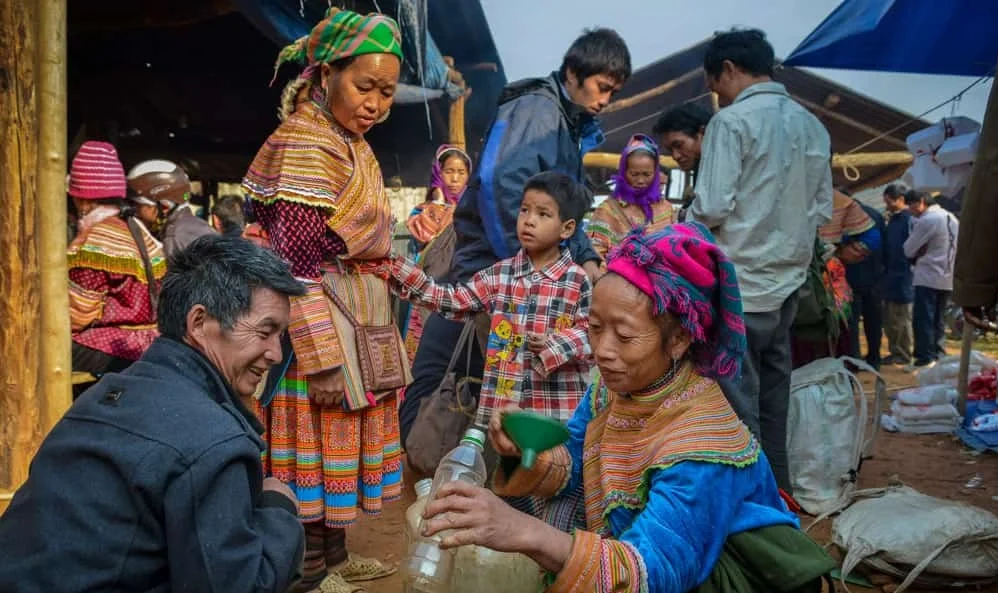
When you book a CBT family experience, children are exposed to local life rather than generic tourism activities. They might help cook a meal, go on a farm walk with community children, learn a craft tradition, or visit nature with local guides. According to Impactful Travel, the essence of CBT is “authentic and spontaneous experiences; homestays; organisation and ownership by the community; and having a positive impact on rural areas.”
This benefit matters because children often remember experiences that are active and emotionally meaningful. Instead of being passive tourists, they become part of the community’s rhythm for a time. That enhances cultural empathy, broadens their worldview, and gives you family bonding beyond sun-lounging.
Benefit: Support for Local Communities and Sustainable Tourism
When you choose CBT, you direct your spending into the local economy: community hosts, local guides, and local producers. This is different from staying in a big resort where most profits flow elsewhere. As Travel Differently notes: “Community-based tourism initiatives often provide a source of income for local businesses and families.”
For you as a family traveller, this means your holiday can align with your values: helping local people, preserving culture, and protecting the environment. The fact that you’re benefiting others can also bring an additional sense of satisfaction and meaning to your trip.
Benefit: Unique, Memorable Experiences
CBT often offers experiences you won’t find in standard tourist resorts: staying in a local homestay, joining a harvesting activity, learning a craft, and exploring with family-run guides. As the article from “Travel With Purpose” on Southeast Asia shows: “Trekking from one homestay to the next, learning to cook local food, helping a community restore an ancient temple.”
For a family, that difference matters: you are creating a story, rather than just ticking off attractions. This often leads to richer holiday memories and maybe even sparks interest in culture and environment in your children.
What to Look for When Booking a Community-Based Tourism Family Experience
Criteria: Community Ownership & Transparency
Ensure the experience is truly community-based. That means: the local community has decision-making power, tourism revenue is shared locally, and the community determines how tourism interacts with their culture and environment. Impactful Travel emphasises that CBT is more than just “visiting a community,” it must include ownership and benefit for the community.
When booking, ask: Who runs the activity? Where does the money go? Are local people employed? Are the children of the local community included? Is the environment respected? These questions help avoid “tourism for tourists” that doesn’t benefit the locals.
Criteria: Family-Friendly Features
Because the experience is for families, check for: safe and accessible accommodation, children’s activities, appropriate age range, flexibility in schedule, meals that suit families, and guidance for engaging children. Ask if children can participate in the activity rather than be spectators. Also, check that the pace is manageable for children (not overly strenuous).
Criteria: Ethical & Environmental Practices
Good CBT experiences also include sustainability: minimal negative impact on the environment, respect for culture, small group sizes, and promotion of preservation rather than exploitation. The-Shooting-Star article explains that CBT should centre local communities and preserve living culture and natural resources.
Criteria: Booking Clarity & Support
Look for transparent pricing, clear what’s included (meals, guides, transfers), age-appropriate details, cancellation policy, and child-friendly support. Because some CBT experiences are remote, logistics matter. Make sure the provider has good reviews, reliable hosts, and a backup plan for weather or other challenges.
Five Real-World Community-Based Tourism Family Experiences You Can Book
Here are five concrete programs where families can book community-led tourism experiences, complete with links, details, use cases, and how to buy.
1. Yunguilla Community, Ecuador

Yunguilla is a rural community in Ecuador’s cloud forest. Families live in local homes, prepare meals, guide visitors on hikes and farming tasks, and share everyday life. According to AFAR, visitors stay on the farm, participate in tasks such as cheese-making and livestock tending.
Why it’s great for families: Children get to engage with nature (cloud-forest hikes), learn a craft (cheese making), and stay in a home-style environment rather than a big hotel. Parents enjoy cultural immersion, fresh local food, and a slower pace.
Use case/problem solved: Suppose your family is used to resort-based vacations, but you feel the kids are missing real engagement. This experience solves that by offering hands-on learning, nature exposure, and cultural immersion. It also gives you a break from screens and lets your family bond through shared new experiences.
How to book: Typically via local tour operators specialising in community tours. Visit the Yunguilla community website or operator pages (example: Intrepid Travel lists programs in Yunguilla) and select the “family friendly” or “homestay” package.
2. Porcón Farm, Cajamarca – Peru
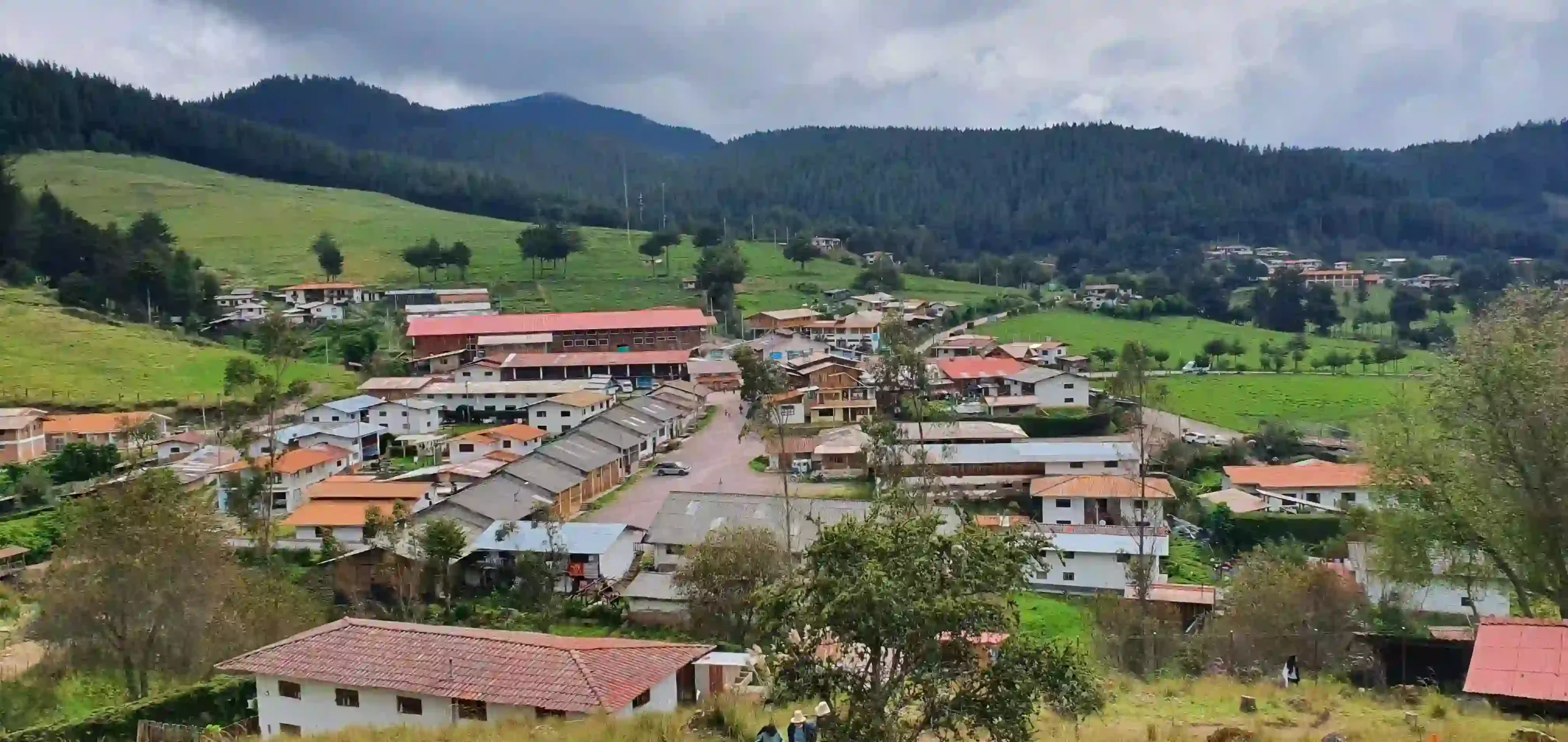
Located near Cajamarca in Peru, Porcón Farm is cooperatively managed by the local community. Visitors join agricultural and livestock tasks, go horseback riding, visit waterfalls, do textile/wood-carving workshops, and stay in community lodging.
Why it’s great for families: The mixture of outdoor adventure (horseback ride, waterfall hike), local farming, craft workshops, and community accommodation offers a full day of variety. For children and parents alike, it’s an active, engaged holiday component.
Use case/problem solved: If your family craves a blend of adventure + culture + down-to-earth stay, this solves the “all-resort feels the same” problem. It also gives older children something to do (workshops) while parents relax in nature.
How to book: Check Peru’s official tourism site or specialized local tour providers. Choose a “community tourism family” package; ask about kids-and-families logistics, safety, and accommodation.
3. Penglipuran Village, Bali – Indonesia

Penglipuran is a village in Bali that adopted a community-based tourism model: all households take turns hosting visitors, souvenir income partly supports village development, and tourist flows are regulated.
Why it’s great for families: Staying in a traditional village environment offers children exposure to Balinese culture and simpler living, while parents enjoy a slower pace. The regulated tourist model ensures less crowding and more authenticity.
Use case/problem solved: Many families travel to Bali but stay in busy resort zones. This village stay solves the “too crowded / too commercial” problem by shifting to a community-oriented area. Also suitable for families who want cultural depth and local interaction rather than typical tourist circuits.
How to book: Look for village homestays in Penglipuran labelled “community-based tourism” or “village stay”. Confirm family-room or multiple room options.
4. Chalalán Ecolodge, Bolivia – Amazon Jungle Experience
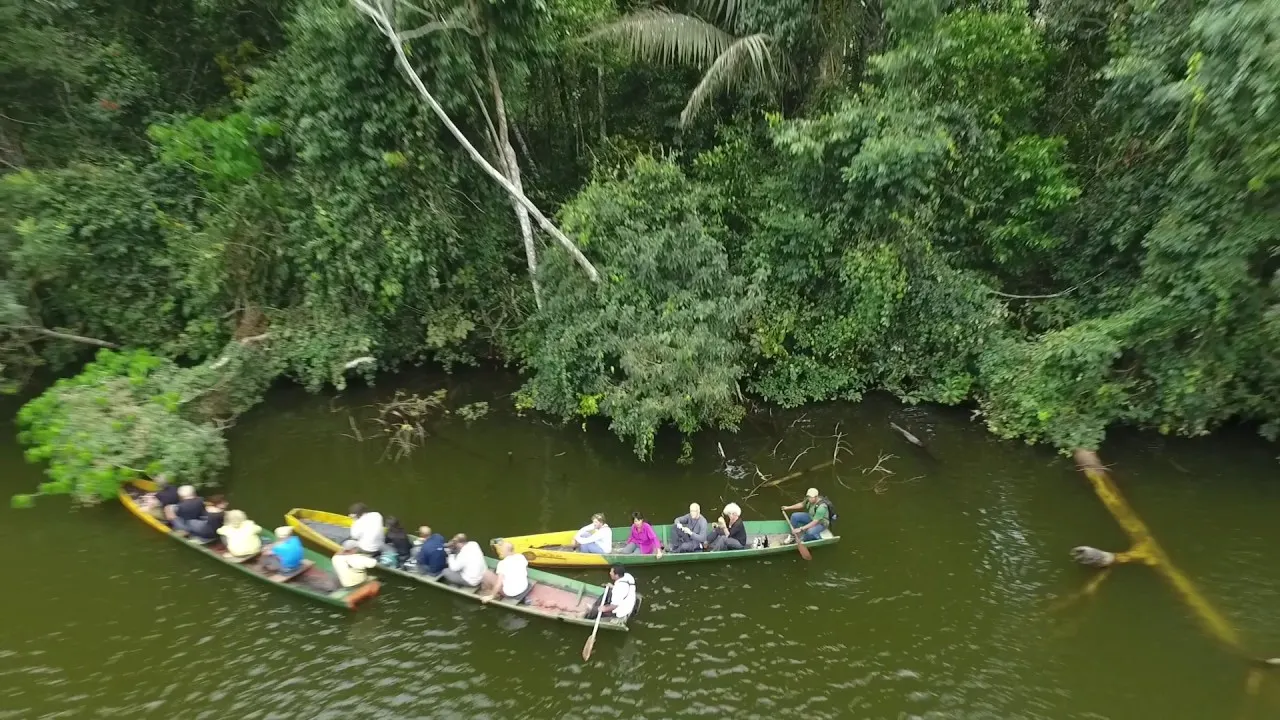
Why it’s great for families: This is an adventure-rich stay, canoeing, jungle walks, wildlife spotting, but with a strong community basis and a comfortable lodge. For kids who love nature and for parents interested in a meaningful stay, it’s a great fit.
Use case/problem solved: For families seeking more than just beaches or cities—those craving nature, wildlife, and cultural immersion—this approach solves the problem of kids getting bored or feeling that beach resorts have become repetitive. It gives them something memorable and unique.
How to book: Visit the Chalalán Ecolodge website, select a “family lodge” or “jungle family stay”. Ask about children’s safety and age-appropriate excursions.
5. Olare Motorogi Conservancy, Kenya – Community Safari for Families

The Olare Motorogi Conservancy in Kenya is a community-based conservation area owned/leased by Maasai landowners and run in partnership with safari operators. It limits lodges to protect the environment, uses eco-principles, and employs local Maasai guides.
Why it’s great for families: Safari is often seen as adult-oriented, but this model adds community interaction where children can meet Maasai guides, learn from them, and stay in smaller, more personal lodges. The conservation aspect adds educational value.
Use case/problem solved: If your family wants a safari but is concerned about mass tourism, crowding, and large impersonal camps, this conservancy model solves that. It offers a more intimate safari, with local culture, fewer crowds, and a better impact.
How to book: Look for safari lodges in Olare Motorogi Conservancy that mention “family room” or “children welcome”. Contact the lodge for family-specific packages.
How to Buy and Where to Buy Your Community-Based Family Tourism Experience
Steps to Book
-
Shortlist destinations based on your family’s interests (nature, culture, craft, village life, safari).
-
Check accommodation and family suitability: ask for room types, child age policies, and activities.
-
Ask about community ownership and benefit: who gets the money? Are locals employed? Is the experience run by the community?
-
Check logistics: how do you get there? Transfers? Children’s safety? Health and comfort.
-
Review inclusions: meals, guides, activities, child-friendly features.
-
Compare providers: local tour operator vs aggregator vs direct community listing.
-
Book early: family-friendly rooms and community stays are often limited.
-
Prepare your children: talk with them about local culture, responsibilities, manners, and what to expect.
Use-Case Scenarios: How These Experiences Solve Family Holiday Problems
Problem – Children are Bored with “Just Beach or Pool”
Many families find that repeated resorts result in children watching screens or repeating similar patterns. CBT family experiences solve this by offering a fresh environment: village stays, nature tasks, and community interaction. Kids stay engaged because the “story” of the holiday is different.
Problem – Travel Not Aligning with Family Values (Culture, Sustainability)
If your family cares about the environment, local culture, and ethical travel, then standard tourism can feel hollow. By booking a CBT family experience, you align your spending with your values: support the local community, preserve heritage, and reduce tourist footprint. As the article from “The Shooting Star” explains, community-centered tourism allows local and Indigenous communities to maintain control and ensure their living culture is not commodified.
Problem – Family Holiday Lacks Depth and Meaning
For many, a holiday is rest, but when you want a bit more: meaningful connections, educational value for children, cultural experience, it often requires specialist planning. The experiences listed above provide that depth: your family stays somewhere authentic, engages with locals, learns, and explores. That means more memorable, more enriching.
Tips to Maximise The Benefit of Your CBT Family Experience
-
Involve your children in planning: Let them choose part of the experience. This increases engagement and excitement.
-
Pack appropriately: Especially for remote or village stays, bring comfortable shoes, insect repellent, modest clothing, and offline activities for downtime.
-
Set expectations: Community stays may not be luxury resorts. Explain to children that it’s about local living, simplicity, and cultural exchange.
-
Encourage participation: Have your kids join craft activities, local cooking sessions, farm tasks, or nature walks, so they’ll retain the memory.
-
Respect local customs: Explain to children about local etiquette, languages, and behaviours. This fosters respect and a deeper connection.
-
Leave feedback: After the trip, share reviews that highlight the community benefit and family features. This helps both the provider and future travellers.
Frequently Asked Questions (FAQ)
Q1: Are community-based tourism family experiences safe for young children?
A1: Generally, yes, but you should check each specific experience. Since many CBT stays are remote or involve local homes, ask about health facilities, child-safe rooms, family-friendly activities, transfer times, and age suitability. This removes the passive phrasing “what is suited for” and replaces it with the active “which experiences suit.
Q2: Do these experiences cost more than standard resorts?
A2: Not always. While some community-based tourism stays might appear niche or remote, many offer competitive prices. Because you are staying in authentic local accommodation and doing local activities, overheads may be lower than international resort chains. Also, the value gained (authenticity, learning, family memory) often makes these experiences cost-effective in broader value terms.
Q3: How can I be sure the tourism experience actually benefits the local community?
A3: Look for transparency: does the provider describe community ownership, decision-making, local employment, profit-sharing? Check for third-party endorsement (responsible travel agencies, community-tourism networks). Read reviews of past travellers (especially families) to see whether the community aspect was genuine. Ask providers directly: “How does the community benefit?” A good provider will answer clearly.
In summary, when you book community based tourism family experiences, you’re choosing more than a holiday; you’re choosing deeper engagement, ethical travel, cultural connection, and meaningful memories for your children and your family. With the five examples above and the decision checklist, you can confidently select, purchase, and enjoy a truly unique family holiday.