Family Friendly Indigenous Culture Experience Tours – How to Choose, Book & Enjoy Authentic Indigenous Culture Tours for Families
Rich Educational and Emotional Benefits
When a family engages in an indigenous culture tour, the children and parents alike gain exposure to a living culture that may be thousands of years old. This expands cultural awareness, fosters respect for heritage, and strengthens global citizenship. For instance, Indigenous Tourism British Columbia highlights how experiences allow guests to “discover Indigenous arts and culture, learn through food, language, land and stories.”
Emotionally, families form deeper bonds when they share an experience of something meaningful and reflective, visiting sacred sites, learning a craft, and engaging with Indigenous hosts. These become shared memories rooted in cultural connection, not just toggling off for a resort.
Solving Common Family Travel Challenges
Traditional family holidays often fall into either pure leisure mode (kids may be bored, parents may feel time wasted) or overly educational trips (which can feel like school). Indigenous culture tours solve this by offering engagement + fun + meaning.
They equip kids with experiences outside their comfort zone, learning about land, ancestry, and Indigenous perspectives, while parents get to relax, reflect, and share something substantial with children. And because the tours are “family friendly”, they avoid the challenge of age-inappropriate activities. For example, the Queensland site lists “kid-friendly Indigenous experiences” like bush tucker walks and beach cultural tours aimed at families.
How to Choose the Right Tour for Your Family
Key Criteria for Selection
-
Family suitability: Ensure the tour is explicitly labelled “family friendly” or “suitable for children/teens”. Check age minimums.
-
Native-led / Indigenous-owned: Authenticity matters. Tours led by Indigenous guides or owned by Indigenous communities tend to deliver a deeper cultural connection rather than a superficial one. For example, the Homalco First Nation in British Columbia offers guided cultural & wildlife tours that stress the Indigenous perspective.
-
Educational plus experience: Good tours combine storytelling, craft, outdoor activity, and cultural immersion rather than just “watching a performance”.
-
Comfort, accessibility & logistics: Families need convenient accommodation, safe transport, clear schedules, and flexibility.
-
Age-appropriate activities & downtime: Ensure there’s a balance of cultural work, exploration, and relaxation (kids still need fun!).
-
Sustainable & respectful practice: Because you’re engaging with Indigenous communities, ensure tours are ethical (benefit local community, respect culture). Indigenous Tourism BC emphasises “Authentic Indigenous-owned” designations.
-
Clear cost & inclusions: Are meals, transport, craft sessions included? Are there hidden costs?
How to Book & Prepare
-
Define your family’s interests and readiness: Do you want light cultural activities, or deeper multi-day immersion? What age are your kids? What accommodation standard do you expect?
-
Research reputable providers: Use tourism board lists, Indigenous-owned tour company directories.
-
Request detailed itinerary: What activities? How many hours? What downtime? What are the age minimums?
-
Check bookings early: Family-friendly Indigenous tours might have small group sizes and limited seats.
-
Pre-travel education: Introduce children to the Indigenous heritage of the region; talk about respect, customs, and what they might do.
-
Pack appropriately: Comfortable clothes for walking, craft sessions, maybe splash or outdoor play if nature-based.
-
Set expectations together: “Yes, we’ll do cultural work in the morning, fun in the afternoon”; help the children understand why this trip is different.
-
Debrief post-trip: Encourage children to share what they learned, reflect as a family, maybe keep a journal, or craft a memory.
Real-World Family-Friendly Indigenous Culture Experience Tours
Here are the strong, real-world tours for families. Each includes description, benefit, use case, and booking link.
1. Homalco Wildlife & Cultural Tours
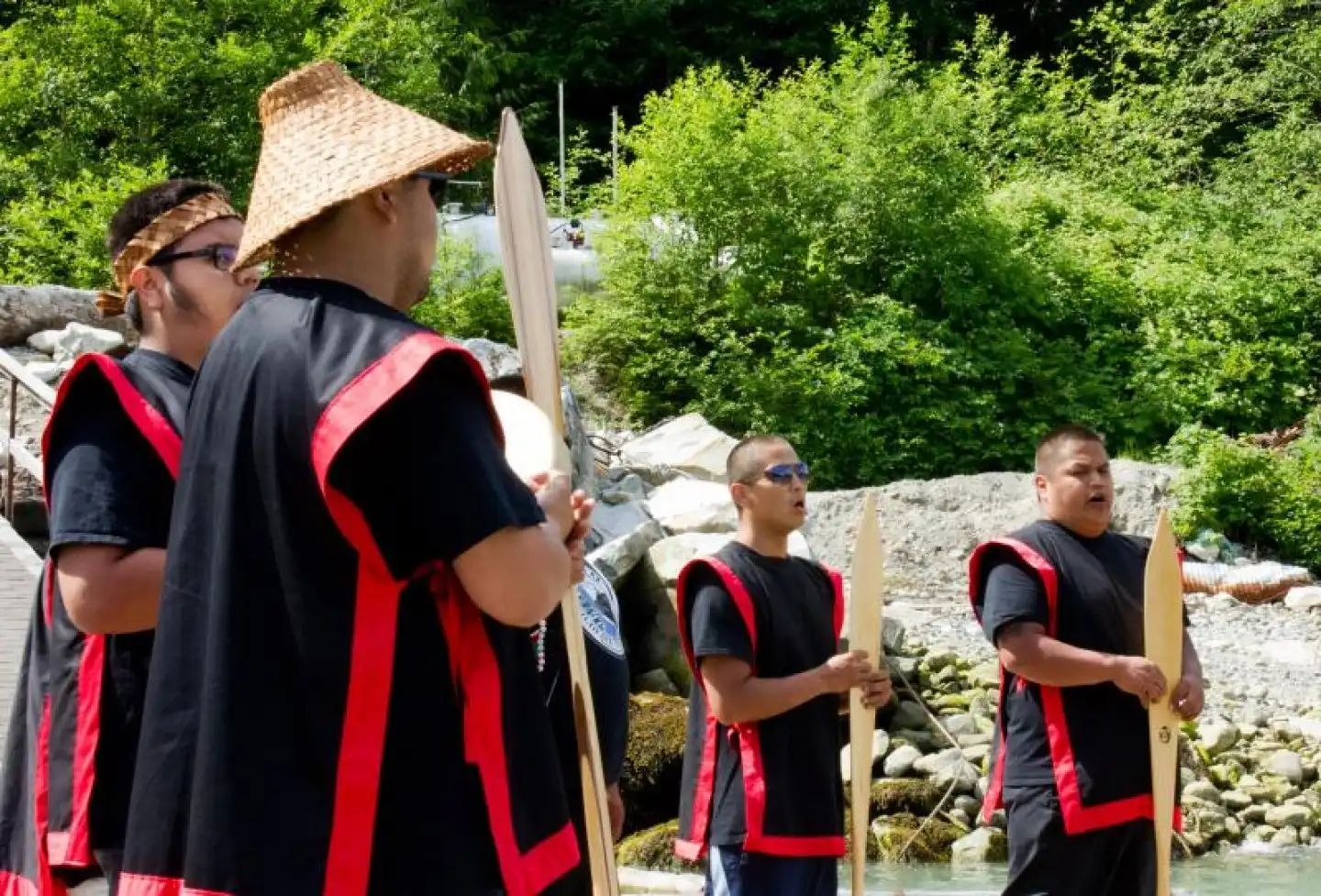
Homalco Wildlife & Cultural Tours is a tour company owned and operated by the Homalco First Nation in British Columbia, Canada. They offer wildlife & cultural tours such as grizzly bear-viewing, whale watching, and Indigenous culture storytelling tours led by Homalco guides.
Benefits: The tours are deeply rooted in Indigenous culture, combining nature, wildlife, and story, great for families. With family-friendly age minimums (some tours suitable for ages 2 and up) and safe facilities, this is a strong option.
Use Case / Problem Solved: A family wanting to see spectacular nature (bears, whales) and also engage culturally, rather than just touring wildlife, they want deeper meaning and engagement. Homalco offers both in one package.
How to Buy / Where to Buy: Visit the Homalco website, select your tour (e.g., Ultimate Coastal Wildlife Tour, People Water Land Tour), pick a date, group size, and book.
2. Ngaran Ngaran Culture Awareness
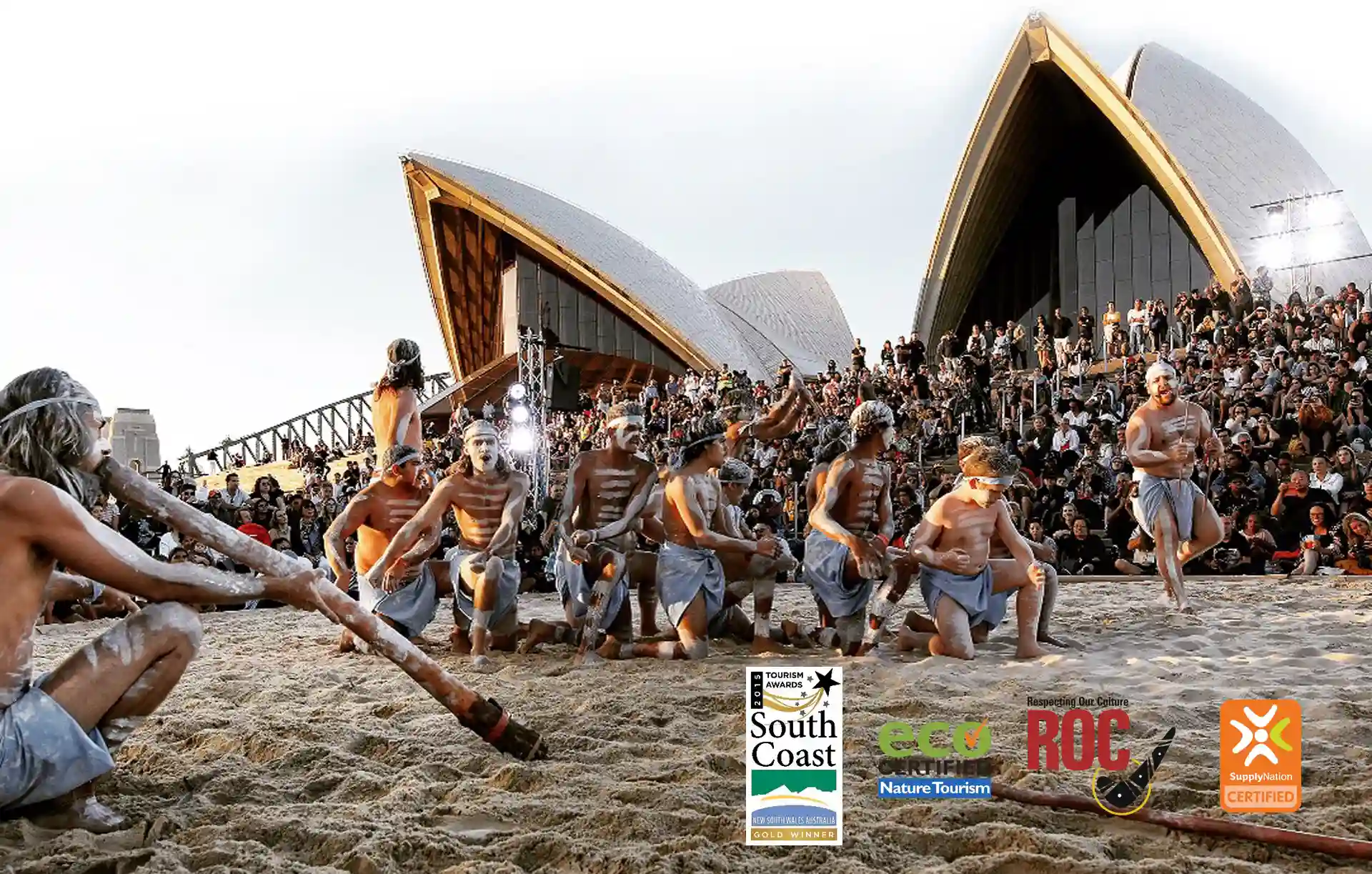
Ngaran Ngaran Culture Awareness offers Indigenous cultural experience retreats on the South Coast of New South Wales, Australia. Their offerings include two-night and four-day key-family friendly retreats with hikes, scenic drives, cultural wellness ceremonies, bush tucker meals, and traditional reflections in a yarning circle.
Benefits: Families engage in immersive Indigenous culture in comfortable settings, with guided walks, bush food, storytelling, and nature. Ideal for kids to connect with the land and culture.
Use Case / Problem Solved: A family that wants an Indigenous culture tour but prefers a shorter, comfortable stay (2-3 nights) rather than a remote expedition. This retreat fits their schedule and offers meaningful immersion.
How to Buy / Where to Buy: Visit the Ngaran Ngaran Culture Awareness website, view the Immersive Journeys page, select your retreat length, check availability, and book.
3. Taribelang Bunda Cultural Tours
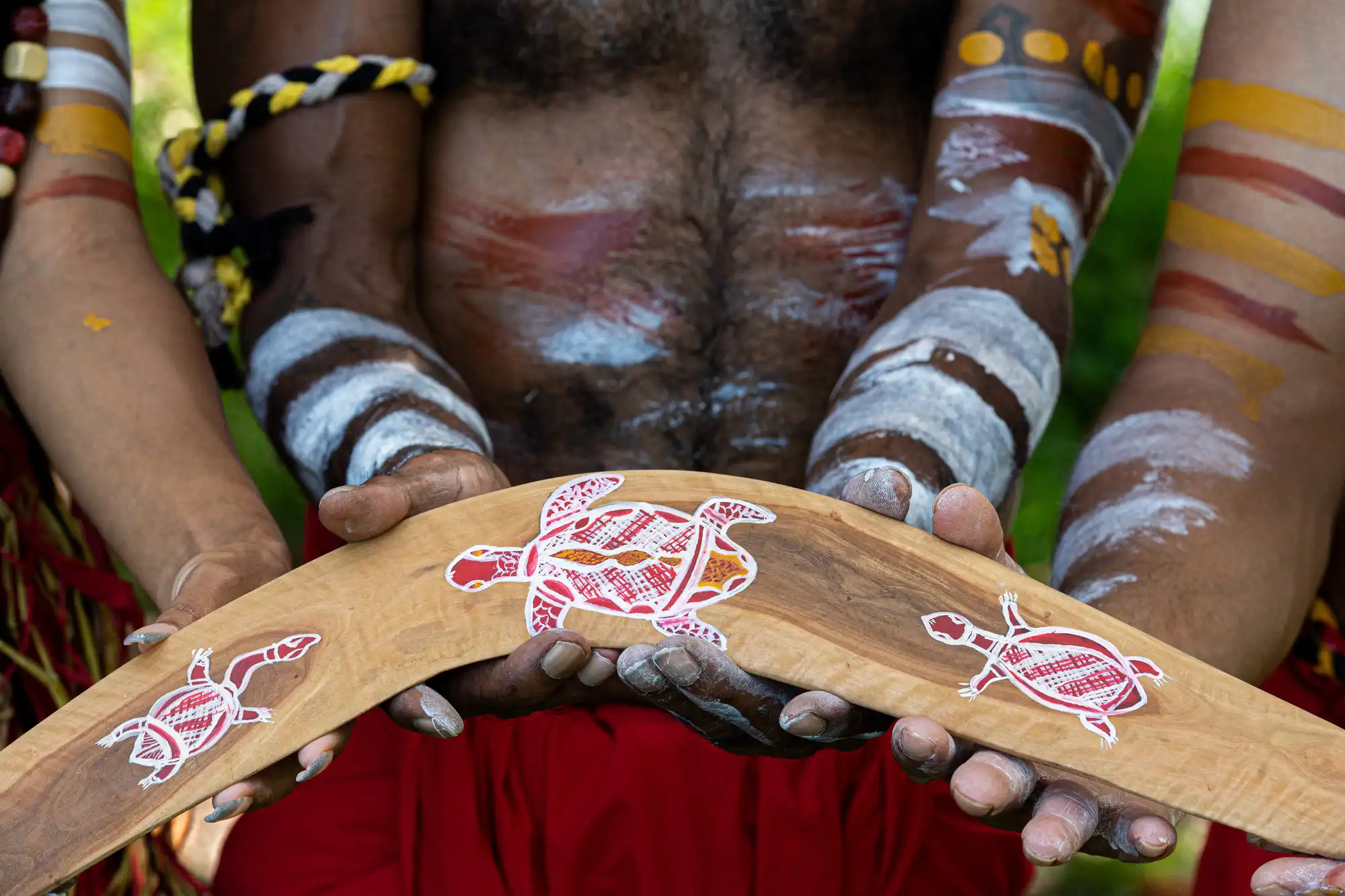
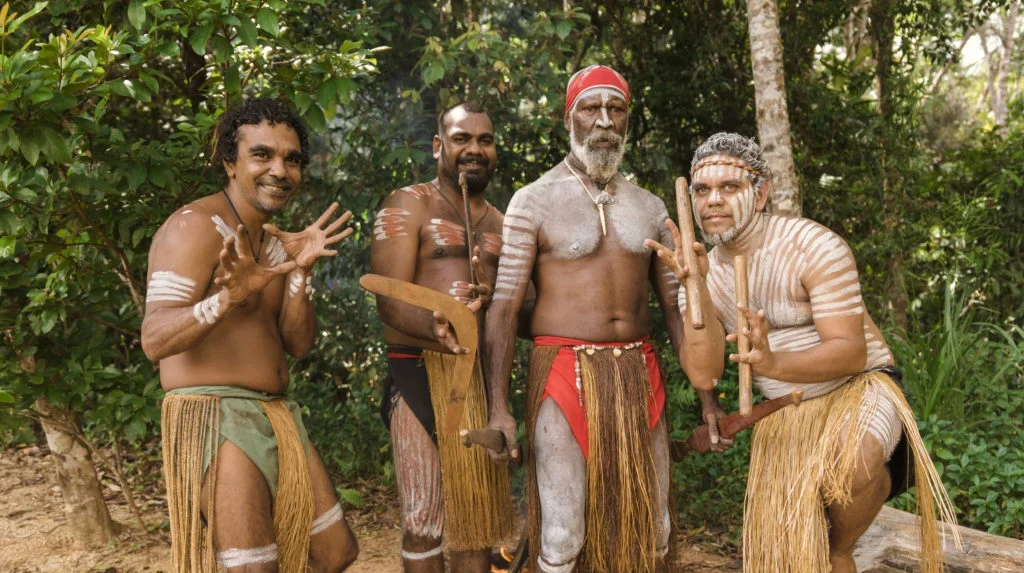
Taribelang Bunda Cultural Tours, located in Bundaberg, Queensland, Australia, is a newcomer kid-friendly Indigenous culture experience operator. They offer half-day tours where families can learn about the Taribelang people, taste bush tucker, learn boomerang skills, and take part in ceremonial dancing whilst touring culturally significant sites.
Benefits: This is an accessible, short-duration tour suitable for families with younger children, great as a cultural outing or part of broader Queensland travel.
Use Case / Problem Solved: A family visiting Queensland who wants a lean but meaningful Indigenous culture experience rather than a full-blown multi-day retreat; this option fits into the schedule and budget.
How to Buy / Where to Buy: Visit their website or the Queensland culture tours listing, choose a date/time, check age suitability, and book for a family group.
4. Walkabout Cultural Adventures
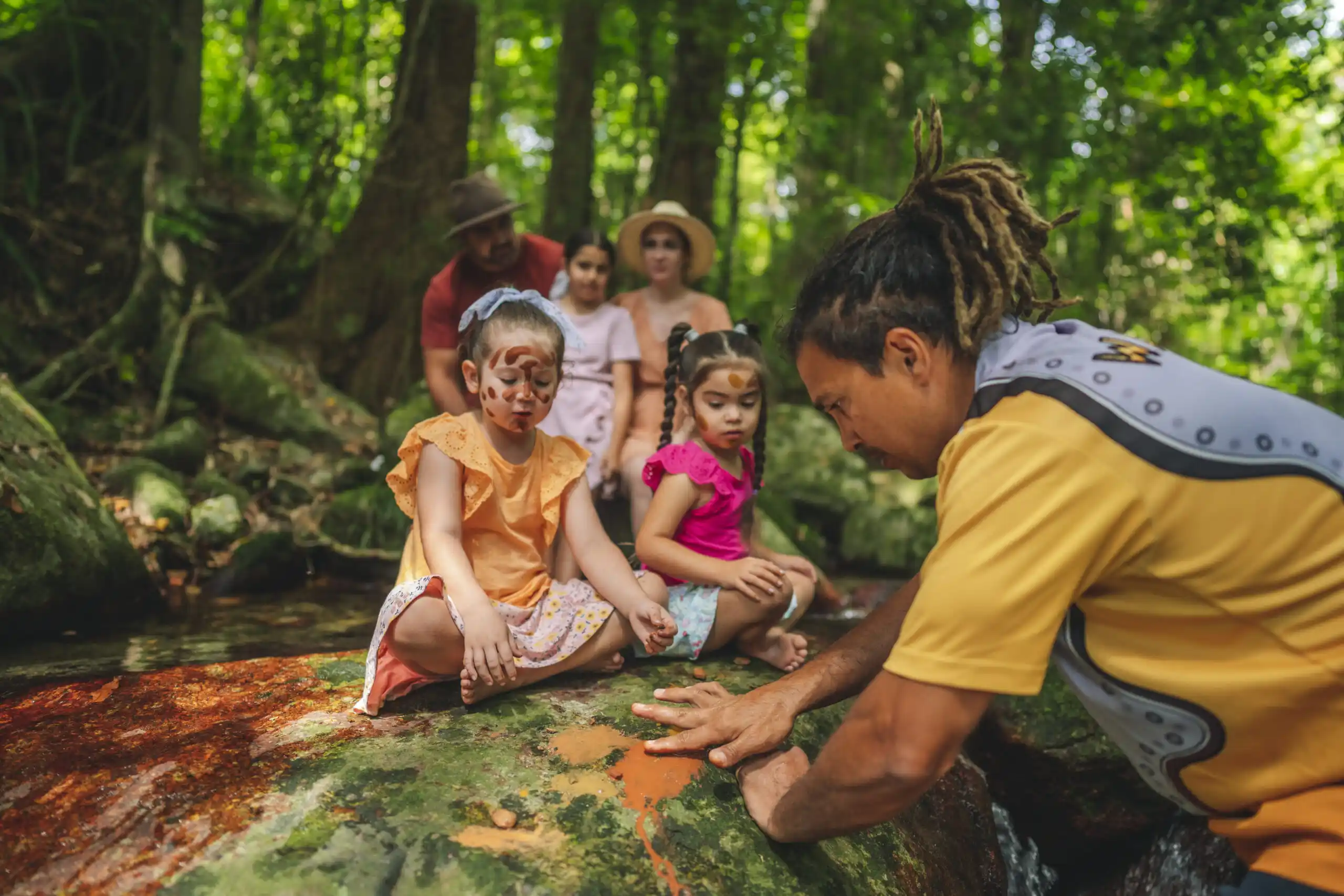
Walkabout Cultural Adventures offers Indigenous-led tours with the Kuku Yalanji people of the Daintree Rainforest and the surrounding north-Queensland region. Families can explore mangroves, mud-flats, learn indigenous hunting and gathering, and explore Dreamtime stories together.
Benefits: Combining rich Indigenous culture with rainforest adventure, this tour gives families both outdoor nature and cultural learning together a strong match for active families wanting immersive experiences.
Use Case / Problem Solved: A family looking for an Indigenous culture plus nature adventure (rainforest, beach) in one experience, they will get both with Walkabout Cultural Adventures.
How to Buy / Where to Buy: Visit the Walkabout site or tourism listing, select the suitable family tour (often age minimums indicated), and reserve your slot.
5. Indigenous Tourism BC “Authentic Indigenous-Owned Experiences” (Canada)
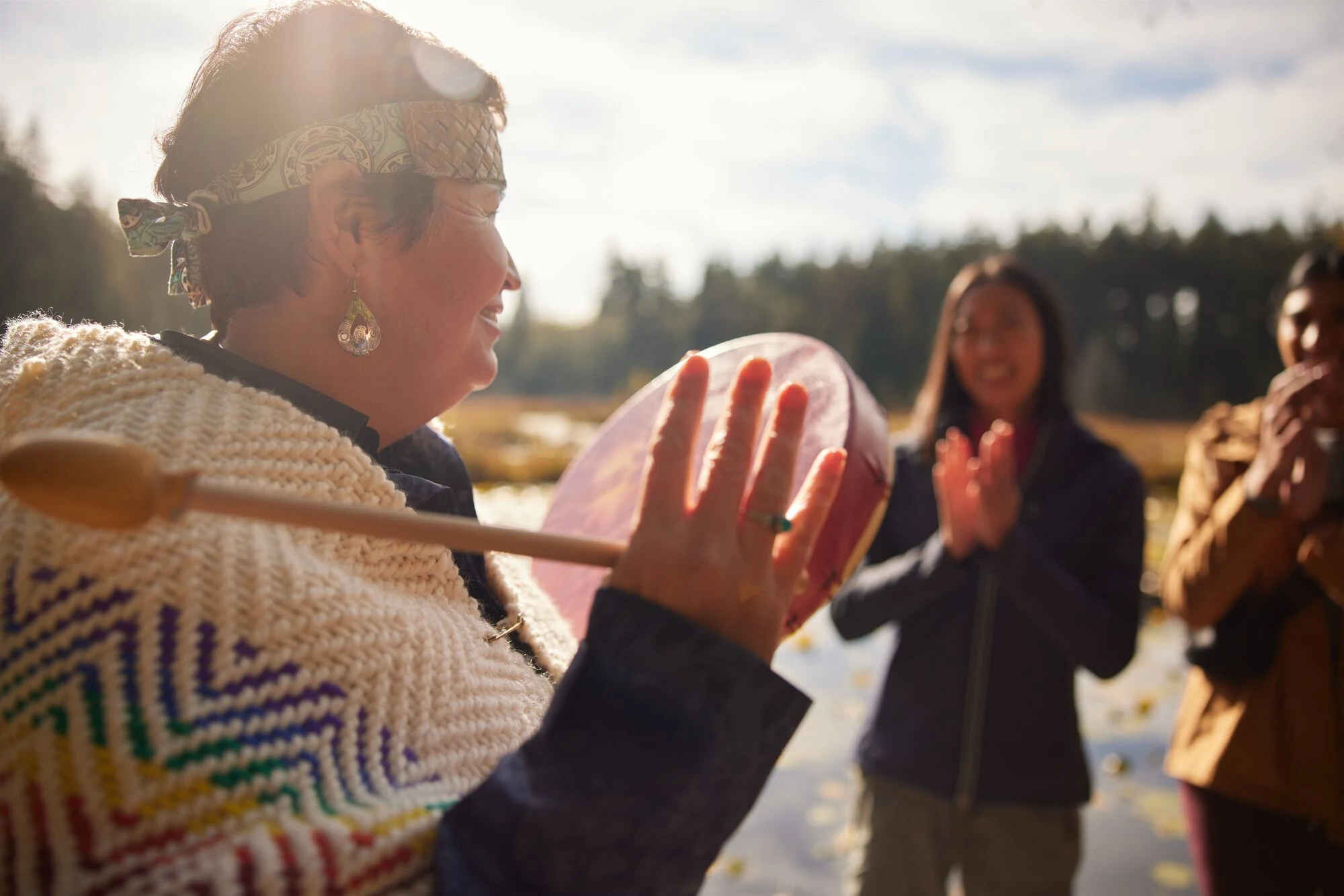
Indigenous Tourism BC (ITBC) is not a tour company but a platform that certifies and lists Indigenous-owned cultural experiences across British Columbia that are suitable for families. It provides a directory of “Authentic Indigenous-owned” businesses and experiences across arts, food, land, and accommodation.
Benefits: Families seeking to ensure they are selecting culturally authentic, Indigenous-owned experiences can use this directory to filter for family-friendly tours, accommodations, and activities. This provides quality assurance.
Use Case / Problem Solved: A family planning a Canada trip and wanting to include Indigenous culture experiences, but is unsure how to vet them. ITBC offers a curated, trustworthy selection.
How to Buy / Where to Buy: Visit the Indigenous Tourism BC website, search for experiences by region and “family friendly” tag, compare, contact the provider, and book direct.
How Technology Enhances Indigenous Culture Experience Tours for Families
Planning & Booking Tools
When booking these tours, many providers use digital platforms to streamline the experience:
-
Online booking portals where you can filter for “family friendly”, “kid age minimum”, “Indigenous-led”, etc.
-
Virtual previews: Videos of the tour experience, accommodation, craft workshops, so families can anticipate what to expect, reducing anxiety and improving engagement.
On-Tour Tech & Engagement
Technology plays an important role during the tour:
-
Interactive apps or audio guides: Some tours include apps with storytelling, augmented reality, or interactive craft prompts so children remain engaged beyond the standard tour.
-
Photo sharing/ memory logs: Families can use secure portals or apps to upload photos, view instructor commentary, and share reflections, extending the value of the trip afterwards.
-
Safety & coordination: Tech ensures families know meeting points, timetable changes, transport links; useful when tours involve bush, remote areas, nature.
-
Post-trip digital follow-up: After returning home, some providers send digital resources (videos, craft PDFs, reflection tasks) that help children remember and apply what they learned.
By leveraging technology, families get smoother logistics, more memorable experiences, and enhanced engagement for children, extending the benefit of the tour beyond the travel period.
Planning Checklist & Tips for Your Family Tour
-
Define your goals: Are you after full immersion (multi-day) or a short outing? What ages are children? What comfort level?
-
Balance culture + fun: Ensure itinerary includes craft/story session + free exploration or nature adventure so children remain enthusiastic.
-
Check age suitability/child care arrangements: Some tours may require children of a minimum age; verify supervision.
-
Check logistics & comfort: Accommodation, transfers, food, downtime should be family-friendly.
-
Review ethical credentials: Check Indigenous ownership/leadership, sustainability, and community benefit.
-
Prepare children: Introduce them to the culture ahead of the tour, books, a documentary, basic language, or greetings. Set respectful expectations.
-
Pack for context: Outdoor clothing for nature; notebooks for reflection; maybe a camera or tablet for kids; water, sun protection, insect repellent as required.
-
Budget for extras: Craft souvenirs, optional excursions, and sometimes, younger children may require additional fees.
-
Post-tour follow-up: As a family, share what each learnt, encourage children to create a craft or scrapbook of their experience, and reflect on how this changed them.
-
Safety & health: Especially if the tour goes to remote places, check medical support, guide ratio, and child-safe environment.
By following this checklist, you set your family up for a meaningful and memorable Indigenous cultural tourism experience.
Benefits and Impact – What Your Family Gains
Personal and Educational Gains
-
Children gain firsthand experience of Indigenous culture: art, story, land, food, customs. This builds empathy, awareness, and cultural curiosity.
-
Families bond over new experiences: connecting with culture, crafting, exploring, and sharing insights.
-
Memories become deeper: Rather than passive sightseeing, children and parents engage, learn, and reflect; these experiences tend to stick.
-
Skill development: Observation, storytelling, craft, nature awareness, perhaps language or Indigenous practices.
-
Perspective-shifting: Being part of an Indigenous-led experience shows children and parents another way of living, relationships with land, and respect for heritage.
Cultural and Social Impact
-
By choosing Indigenous-led tours, your family contributes economically to Indigenous communities.
-
You help preserve culture: these tours often support heritage, language, craft, and stories of Indigenous people.
-
You foster awareness: your children and you become cultural ambassadors when you return home, sharing what you learnt.
-
Sustainable tourism: Choosing respectful, ethical, Indigenous-owned tours reduces the risk of cultural exploitation.
Summary
Family-friendly indigenous culture experience tours offer a powerful blend of learning, connection, adventure, and meaning. By choosing authentic Indigenous-led providers, preparing thoughtfully, leveraging technology for engagement, and selecting the right itinerary, your family can enjoy a travel experience that goes beyond relaxation into transformation. From Homalco’s wilderness & culture tours in British Columbia to trails with the Kuku Yalanji in Queensland, there are excellent options worldwide. Choose well, book early, and your next family holiday can be both fun and deeply meaningful.
Frequently Asked Questions
Q1: What age of children is suitable for the indigenous culture experience tours?
A1: It varies by tour. Some are designed for children aged 4 + (with supervision and shorter activities), while more immersive multi-day experiences may require older children (10 or above). Always check age minimums and ask how the programme caters to families.
Q2: Are these tours expensive compared to standard sightseeing tours?
A2: Often, they may cost more due to small groups, Indigenous-led guides, cultural craft sessions, and remote locations. However, the value is higher, meaningful cultural connection, family bonding, educational impact, so many families regard it as worthwhile. Check what’s included and compare.
Q3: How do I ensure the tour is respectful and truly Indigenous-led?
A3: Look for tours where Indigenous people are owners or guides, where part of the proceeds support the community, and where the itinerary includes genuine storytelling, craft, and land-based culture (not just a performance). Platforms like Indigenous Tourism BC list “Authentic Indigenous-owned” experiences.