Long Stay Family Holiday Rentals for Remote Work: Top Picks, Benefits & Booking Guide
Essentials: Connectivity, Space, and Comfort
For families planning an extended remote-work holiday, the rental must cover three central needs: reliable internet, suitable workspaces, and family-friendly comfort. Without strong Wi-Fi and a quiet desk area, productivity suffers. Many remote-friendly rentals now advertise “remote work ready” status that includes dedicated workstations, multiple bandwidth guarantees, and sometimes backup internet sources.
Space matters too: children need room to play or relax, adults need a calm zone for video calls, and shared spaces should be designed for both work and leisure. A fully equipped kitchen, laundry facilities, multiple bathrooms, and comfortable living rooms help make a rental feel like home, not just a temporary stop.
Comfort over time becomes critical in a long stay: good beds, climate control, and sound insulation all reduce stress. The more you stay, the more you’ll feel the benefits (or shortcomings) of the property. Choosing a place that feels livable for weeks or months makes all the difference.
Flexibility & Lease Terms
Traditional leases often require 6 or 12 months, which doesn’t suit holiday-style stays. Look for rentals that explicitly support month-to-month or 28+ night stays. Platforms like Vrbo even offer average monthly discounts (around 19%) for long-term rentals.
Also, flexible cancellation policies, refundable deposits, or “soft leases” (no long lock-in) are advantageous. You don’t want to be stuck if travel plans change mid-stay.
Work-Friendly Amenities & Environment
To truly succeed at remote work during a holiday, the rental must integrate productivity into its design. Seek these features:
-
A dedicated workstation (desk, ergonomic chair, good lighting)
-
Room acoustics or separate areas to reduce noise from children
-
Reliable and fast upload/download speeds (not just “Wi-Fi available”)
-
Power outlets in convenient spots, a VPN-friendly network, and surge protection
-
Quiet surroundings (residential zones, less street noise)
-
Good natural light for mental well-being
Many remote work–oriented rental platforms and hosts now market these very features. For instance, Docovacations highlights that remote work-friendly rentals often include quiet nooks for working in addition to high-speed internet.
Location & Local Infrastructure
Even the best inside amenities can’t compensate for a location with weak external support. When choosing a rental location, consider:
-
Proximity to essentials (grocery stores, pharmacies, healthcare)
-
Distance to cafés, coworking spaces, and recreational options
-
Local cell service & backup data (for spotty Wi-Fi times)
-
Safety, walkability, and family-friendliness of the neighborhood
-
Easy access to transportation (airport, roads)
The ideal rental blends serenity and isolation (for focus) with accessibility and convenience.
Benefits of Long Stay Holiday Rentals for Remote-Working Families
Deep Work + Quality Family Time
One of the core advantages is the merging of productivity with leisure. In a long stay, you don’t have to cram work and fun into the same short day. Mornings might be for focused work, afternoons for family excursions or beach time, and evenings for rest. The extended horizon smooths out the tension between “vacation mode” and “work mode.”
Cost Efficiency Compared to Hotels or Serviced Apartments
When staying several weeks or months, hotel rates and serviced apartment daily rates can become prohibitively expensive. Holiday rentals with monthly discounts often yield much better per-night value. Platforms like Vrbo advertise substantial savings for stays of 28+ nights.
Because rentals include full kitchens, laundry, and multiple bedrooms, additional costs (meals out, laundromat fees) can be reduced further.
Flexibility and Freedom
Unlike rigid hotel schedules or co-living setups, long stay rentals offer independence. You control your hours, meals, social life, and rest. You choose when to explore, when to stay in, and how to structure your daily life. This autonomy helps avoid the burnout sometimes associated with short “workations.”
Stability & Routine
Extended stays allow you to build a routine—something especially valuable for families with kids. You can settle in, get accustomed to the rhythm, form local habits, and reduce the friction of constant packing/unpacking. Consistency also helps maintain professional performance while enjoying novelty in location.
Community & Integration
Many long-stay rentals belong to communities or neighborhoods where you can gradually integrate meet neighbors, join local events, find favorite cafés, and feel less like a tourist. This social continuity can reduce isolation, a challenge often felt by digital nomads.
Real-World Examples of Long Stay Family Holiday Rentals
Below are five real-world holiday rentals or platforms that are suitable (or oriented) for remote-working families. Each is described in depth with benefits, use cases, and booking info.
Vacasa Long-Term Vacation Rentals
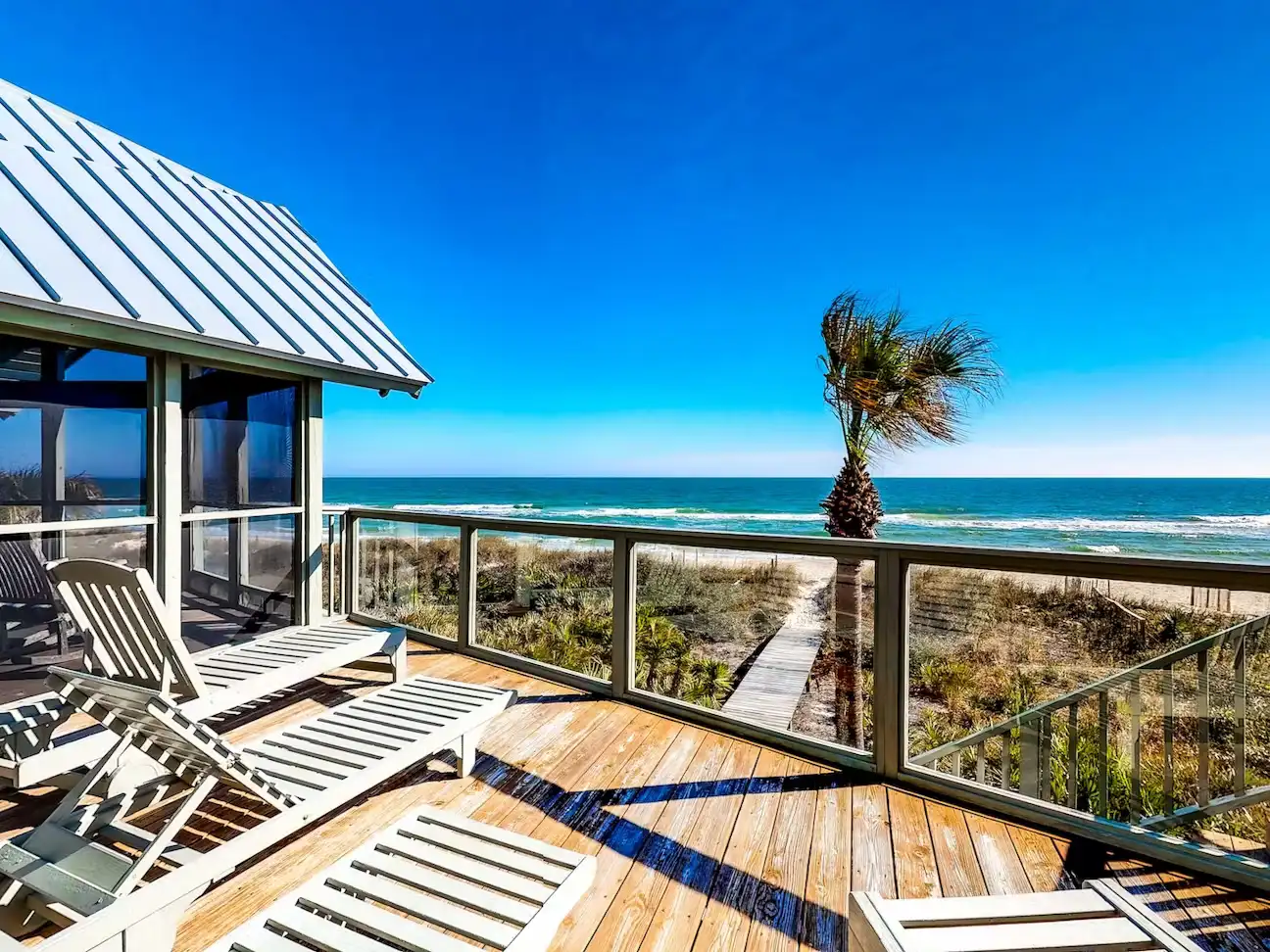
Vacasa offers a portfolio of long-term vacation rentals with flexible stays ideal for remote-working families seeking stability.
Properties listed by Vacasa often include multiple bedrooms, fully equipped kitchens, laundry, and sometimes even remote-work branding (Wi-Fi, workspace). Because Vacasa handles booking and property management, the hosting “middlemen” are mitigated.
Use case & benefit: A family wants to spend two months in a beach town while remote working. Vacasa handles cleaning, support, and infrastructure, freeing the family to focus on work and local life.
Why choose it: Trust and consistency. Vacasa is a known brand with established property standards across many regions.
2. Flatio (Mid / Long-Term Rentals for Digital Nomads)

Flatio is a platform specializing in mid- to long-term furnished rentals (from days to a year) tailored to digital nomads and remote workers.
Properties often come with flexible leases, move-in-ready conditions (furniture, utilities), and remote-work conveniences. Many are in cities that combine quality of life with affordability.
Use case & benefit: A family needs a 3-month rental in Europe while parents work and kids attend local language classes. Flatio provides furnished apartments that are ready from day one.
Why choose it: Deposit-free or low-deposit options, curated listings for remote workers, and global coverage in many cities.
3. TheTopVillas (Remote Work–Friendly Vacation Villas)

TheTopVillas offers villas and vacation homes marketed specifically to business travelers and digital nomads.
These properties often come with high-speed internet, nice views, privacy, and upscale settings—making them attractive for families who want “vacation with work capability.”
Use case & benefit: Parents want a luxurious villa by the beach with private gardens while they work mornings and kids swim afternoons. TheTopVillas catalogs such places.
Why choose it: It bridges premium vacation vibes with remote work features.
4. Truckee / Tahoe Mountain Rentals (Work + Family)

In the Lake Tahoe / Truckee area, certain vacation rental companies promote “remote work vacation rentals” that include dedicated office space with natural vistas, good Wi-Fi, and family amenities.
These rentals typically feature: multiple bedrooms, desks with monitors, separate quiet rooms, and access to outdoor recreation (skiing, hiking, lakes).
Use case & benefit: A family wants a mountain retreat for the winter months: parents work in a quiet home office upstairs, kids sled outside, and evenings are cozy indoors.
Why choose it: The environment offers relaxation and outdoor adventure while still supporting productivity.
5. Resort Harbour Properties (Resort + Remote Work)

Resort Harbour Properties in Fort Myers market condos and vacation rentals designed with remote work in mind: high-speed Wi-Fi, resort amenities, and local comfort.
These properties combine beachfront relaxation with practical infrastructure. Families can work during the day and easily step out to beaches, restaurants, or shops.
Use case & benefit: Parents manage remote tasks in the condo, kids enjoy resort pools or beaches, and the family engages in local exploration on evenings/weekends.
Why choose it: A balanced mix between resort vacation and long-term living comfort.
Deep-Dive: Benefits of These Rentals & Technology Integration
Seamless Productivity with Tech Infrastructure
The difference between a vacation and a true work + life stay lies in the tech. These rentals integrate:
-
High-bandwidth internet (often fiber or dual providers)
-
Ethernet ports at workstations or smart TV zones
-
UPS/surge protection for stable power
-
VPN / remote desktop compatibility for secure corporate access
-
Smart home features (thermostats, smart lighting) to reduce friction
-
Backup mobile hotspots or secondary data plans in case the main connection fails
Such features mean you don’t compromise on performance while away from home. They support sustained work even when the scenery changes.
Tech-Enabled Comfort & Automation
Many long-stay rentals now include IoT tools: smart locks (keyless entry), automated climate control, remote sensors to monitor temperature/humidity, and mobile-accessible controls. This reduces friction, no more renting local SIMs or navigating foreign remotes.
Automated messaging, check-ins, and property monitoring help hosts maintain quality, and guests benefit from streamlined stays. Some platforms provide 24/7 support via apps, minimizing downtime or hassles.
Hybrid Use of Rooms & Spaces
Designing spaces to double up is a key benefit: a dining table becomes a workspace, a guest bedroom becomes a spare quiet zone, or outdoor patios serve as meeting backdrops. Tech such as foldable desks, monitor mounts, and sound-dampening panels enables flexibility without requiring extra rooms.
Use Cases: Problems Solved & Why Families Need These Rentals
Problem: Balancing Work and Family in Constrained Spaces
In a small home or apartment, trying to juggle work, kids, and downtime leads to friction. Families trying to vacation while working often find hotel rooms cramped, noisy, or unsuited to daily life. Long stay holiday rentals deliver space and flexibility, allowing each person to find their own zone, whether for conference calls, homework, naps, or play.
Problem: Unreliable Accommodations
Hotels and short-term rentals may not guarantee strong tables, stable Wi-Fi, or child-friendly amenities. Selecting a rental certified for remote work reduces the risk of downtime or frustration mid-stay. Reviews, property vetting, and remote-work branding help mitigate surprises.
Problem: Frequent Moves Burn Productivity
Switching hotels or locations every few days interrupts routines. A long stay eliminates repeated unpacking, adjustment downtime, and logistic stress. Once settled, families can focus on actual tasks and relationships instead of transitions.
Problem: High Cost of Hotels & Serviced Options
For long durations, hotel costs escalate quickly. Using a holiday rental with a reasonable monthly rate, multi-bedroom layout, and self-catered meals drastically lowers per-person expense. The savings scale with longer stays and more occupants.
Problem: Isolation & Disconnection
Remote work can feel isolating, especially in transient holiday settings. Over weeks or months, families can connect with locals, neighbors, or co-workers, attend community events, and build social routines. The longer the stay, the more opportunities for belonging.
How to Book & Where to Find Long Stay Family Holiday Rentals
Step-by-Step Booking Guide
-
Define your timeframe & flexibility – choose how many weeks or months you’ll stay.
-
Set must-have criteria – number of bedrooms, dedicated workspace, Wi-Fi speed, and location features.
-
Search trusted platforms – use filters for monthly stays, remote-work amenities, and family-friendliness.
-
Read reviews & ask questions – about actual speeds, noise, host responsiveness, neighborhood safety.
-
Negotiate terms – longer stays often bring lower rates or added benefits (cleaning, utilities).
-
Confirm deposit, cancellation, and support policies.
-
Plan logistics – travel insurance, local SIM, groceries in advance, children’s schooling or care if needed.
Top Platforms and Sources
-
Vacasa Long-Term Rentals – for managed vacation homes with support infrastructure
-
Flatio – for furnished mid/long-term apartments suitable for remote workers
-
TheTopVillas – villa-style rentals oriented to remote work
-
Local property managers in target destinations (mountain towns, beach communities)
-
Vrbo / Airbnb (filtered for 28+ night stays and remote work amenities)
-
Coworking + coliving networks may partner with local hosts
Practical Tips for a Productive & Pleasant Long Stay
-
Test Internet Before You Commit: Ask for a video speed test or proof of upload/download before final booking.
-
Pack Portable Essentials: A laptop stand, travel monitor, noise-canceling headset, and surge protector help standardize your workspace anywhere.
-
Blend structure & flexibility: Set core work hours, but allow breathing room for local life.
-
Engage Locals & Neighbors: Join local Facebook groups, neighborhood forums, or coworking events.
-
Optimize Utility Costs: Check for included utilities, heating, cooling overages, or potential extra charges.
-
Kids’ Routines: Bring favorite books, toys, or portable schooling aids to maintain stability.
-
Backup Plans: Have a mobile internet option ready in case primary connectivity fails.
-
Maintain Boundaries: Avoid always mixing work and vacation, designate “off days” or times for pure leisure.
Frequently Asked Questions
Q1: How long qualifies as a “long stay” for holiday rentals?
Typically, it refers to 28 nights (four weeks) or more. Many platforms and hosts use this threshold to offer discounts and different lease rules.
Q2: What internet speed is acceptable for remote-working families?
Aim for at least 50 Mbps download and 10 Mbps upload for smooth video calls, file transfers, and simultaneous use among family members. Ideally, the rental offers wired Ethernet support and Wi-Fi quality that matches the claims.
Q3: Is booking via platforms safer than direct host deals?
Using established platforms gives you review systems, payment protection, and recourse if there’s a misrepresentation. Direct bookings may save fees, but require more diligence in verifying credentials, asking for documentation, and confirming connectivity and amenities in advance.