Top Sustainable Multigenerational Family Holiday Eco-Lodges for 2025
Ethical and Legacy Travel
Choosing an eco-lodge aligns family values across generations. Kids learn by example; seniors can feel satisfied that they left a lighter footprint. This becomes part of the family narrative: traveling responsibly together, leaving a positive influence behind.
Moreover, multigenerational families often care deeply about what their grandchildren inherit. Staying in places that conserve nature, support local communities, and protect biodiversity resonates strongly with those values.
Combined Comfort, Privacy & Scale
Eco-lodges designed for families often include private cabins or cluster units so that each family group has its space, while communal areas foster interaction. This flexibility helps avoid tension when different generations need privacy or quiet time.
A well-designed eco-lodge gives everyone grandkids to grandparents, a comfortable place to rest, socialize, explore, or retreat, all within the same property, eliminating the need for separate hotels or conflicting itineraries.
Health, Safety & Low Stress Mobility
Many sustainable eco-lodges invest in terrain design, walkways, safer paths, lighting, and accessibility to reduce slip/fall risk, especially for older travelers. A lodge that considers smooth terrain, shorter walking distances, and rest benches helps ease mobility challenges.
By staying in one place and reducing transfers, the family reduces stress from constant packing and moving. In remote or fragile ecological zones, staying in a responsible eco-lodge ensures better medical or logistical support than staying in ad-hoc or unsupported lodging.
Immersive Nature & Educational Opportunities
Eco-lodges often integrate nature walks, wildlife spotting, guided tours, organic farming, cultural immersion, and conservation work. These are invaluable experiences across generations, teens, children, and elders can all engage in meaningful nature or community projects.
Especially in multigenerational travel, shared educational or nature experiences strengthen bonds. For example, grandparents sharing knowledge of flora or guiding stories while grandchildren spot wildlife creates lifelong memories.
Cost Efficiency & Reduced Hidden Costs
While eco-lodges may sometimes come with a premium, they often bundle amenities (meals, guided walks, conservation fees) in inclusive packages. For large family groups, this can reduce per-person marginal cost compared to booking multiple separate rooms in traditional hotels with add-on fees.
Also, fewer intra-transfers and fewer check-ins reduce logistic costs. Because the family stays under one roof for much of the trip, coordination becomes simpler, and hidden charges (for transport, baggage, etc.) are minimized.
Key Design & Technology Features in Great Eco-Lodges
Renewable Energy & Efficiency Systems
Top eco-lodges use solar panels, micro-hydro, or wind power to generate electricity. Combined with LED lighting, proper insulation, passive ventilation, and efficient appliances, they lower power demands.
These systems are especially beneficial in remote or off-grid settings, ensuring reliable service without a heavy carbon footprint. They also reduce noise and emissions, which improves the atmosphere for all generations.
Water Catchment, Recycling & Graywater Systems
Water scarcity is a crucial concern. Eco-lodges often capture rainwater, recycle graywater for irrigation or toilets, and use low-flow fixtures. Such systems sustainably manage water without forcing guests to “ration” water unpleasantly.
Families benefit because they can enjoy showers, baths, and hygiene without guilt or drastic restrictions that hamper enjoyment.
Waste Reduction & Recycling
Comprehensive waste sorting, composting, minimal single-use plastics, biodegradable packaging, and reusing materials are common in credible eco-lodges. This reduces landfill burden and teaches younger generations about sustainable habits.
Some lodges even run guest programs (e.g., sorting waste, composting demos) that engage family members in the eco journey.
Smart Design & Passive Architecture
Natural cooling, cross ventilation, shading, orientation, and thermal mass help reduce heating/cooling loads. Local materials and integration into the landscape minimize visual and ecological disruption.
These features help maintain indoor comfort without heavy air-conditioning, which benefits all ages by creating healthier indoor environments.
Connectivity & Support Technology
While eco-lodges often emphasize disconnection, many provide necessary connectivity (Wi-Fi, telemedicine access) and smart support systems (emergency call systems, location trackers, monitoring for weather warnings). This ensures safety for older family members and connectivity for younger ones.
Some lodges incorporate digital guide apps, AR nature trails, or remote educational content for guests. These technologies can bridge generational interests: children explore with digital aids, elders enjoy guided walks with narration, and all gain new insights.
Real-World Example Eco-Lodges Suitable for Multigenerational Families
Below are five well-known eco-lodges (or lodge groups) that exemplify sustainable practices, family orientation, and investments in experience. While not all market themselves exclusively for multigenerational families, their features make them strong candidates.
1. Grootbos Private Nature Reserve (South Africa)
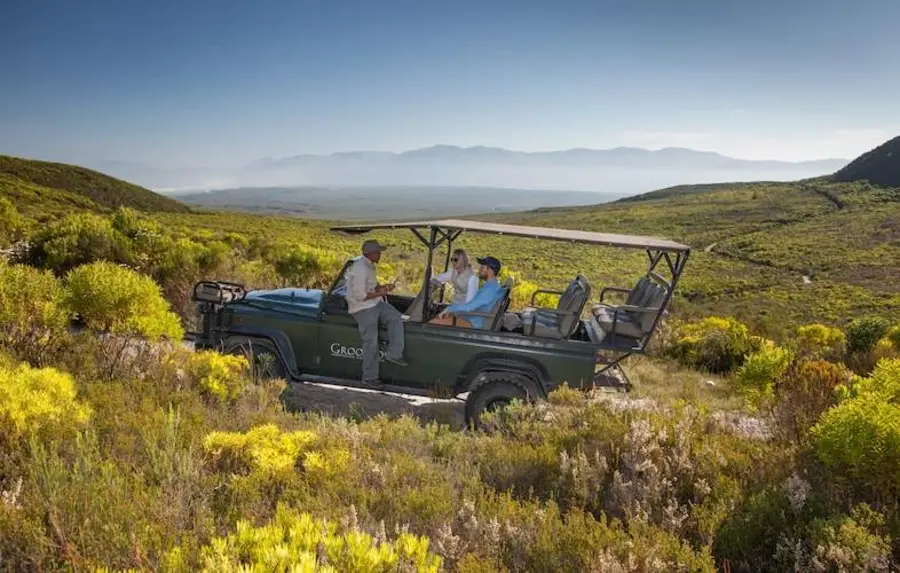
Grootbos Private Nature Reserve is a flagship sustainable lodge group.
Details & Features:
Grootbos includes multiple lodges (Forest Lodge, Garden Lodge, and a private Villa) built with low-impact construction in cleared forest areas. They run conservation, restoration, horticulture, and community education programs.
Their packages include family-friendly nature activities, botanical tours, wildlife drives, and guest experiences aligned with local culture.
Why It Works for Families:
-
There is a private villa option, allowing families to have their space while still getting full lodge amenities.
-
Conservation and botanical gardens are engaging for children and elders alike.
-
The lodge’s strong ecological mission allows educational experiences across generations.
2. Chalalán Ecolodge (Bolivia)
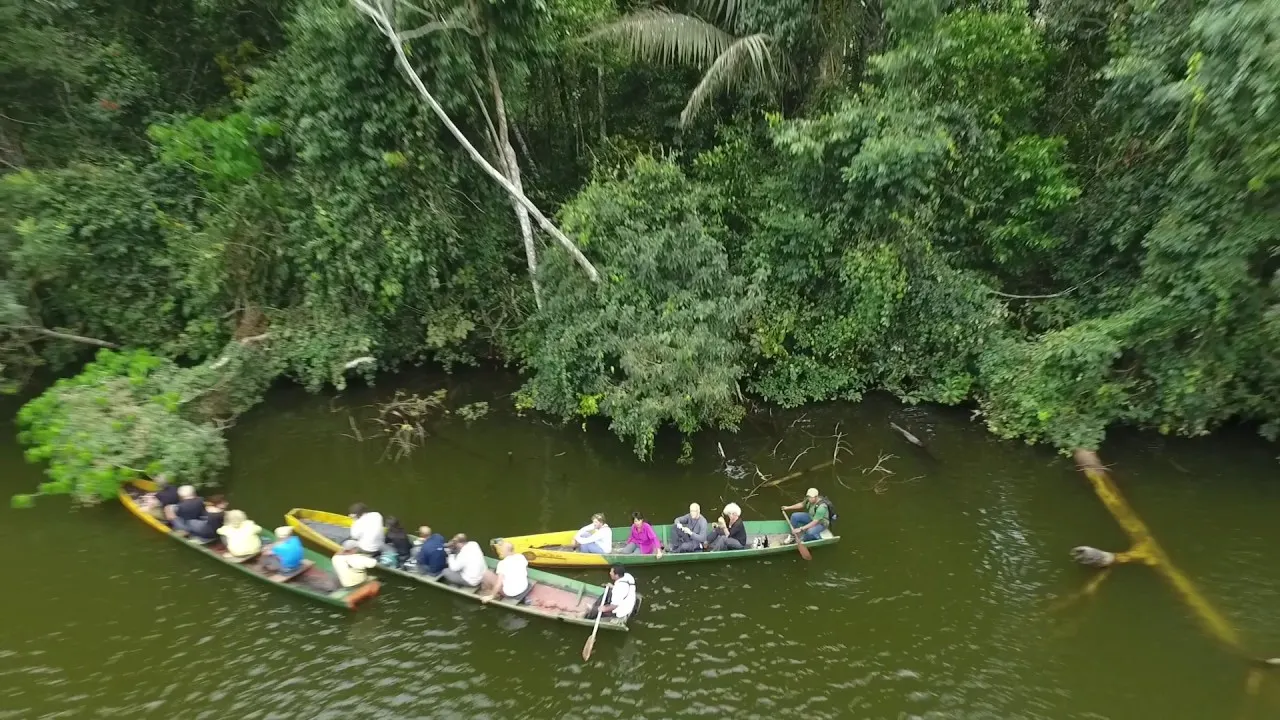
Chalalán Ecolodge is an indigenous-run eco-lodge deep in the Amazon, owned and operated by the local community.
Details & Features:
Built using traditional techniques and local materials (wood, palm, thatch). Uses solar energy, wastewater treatment, and manages its footprint carefully.
Activities include guided jungle walks, canoe trips, wildlife observation, cultural immersion with indigenous guides, and environmental education.
Why It Works for Families:
-
Immersive rainforest experiences appeal to all ages, offering shared discovery.
-
The cultural aspect highlights local heritage, which grandparents may appreciate as much as children.
-
The lodge’s modest size and wildlife proximity reduce walking fatigue or long transfers.
3. Jetwing Vil Uyana (Sri Lanka)

Jetwing Vil Uyana, A boutique eco-hotel in Sigiriya, built over a wetland system.
Details & Features:
This resort converted old paddy land into a sustainable wetland habitat, integrating lodging, gardens, and wetlands. It supports biodiversity, operates ecosyTop Sustainable Multigenerational Family Holiday Eco-Lodges, and uses sustainable architecture.
They have multiple lodging styles, dwellings built among wetlands and forests, allowing flexible family accommodations.
Why It Works for Families:
-
The wetland design and birdlife attract nature enthusiasts across generations.
-
The property sits amid heritage and nature, providing a balance between culture and ecology.
-
The warm climate and easier terrain support elders with less strenuous walking needs.
4. Banasura Hill Resort (India)
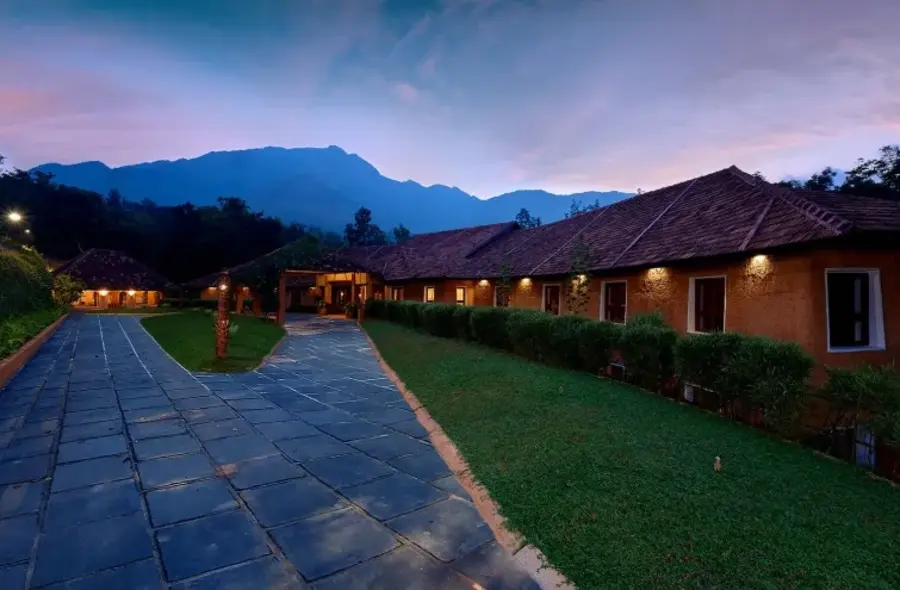
Banasura Hill Resort nature resort built using rammed earth and indigenous sustainable architecture.
Details & Features:
The resort’s thick earthen walls naturally regulate temperature, reducing air-conditioning needs. Bamboo bio-fencing, native plantings, and local agriculture integrate with the environment.
They cultivate coffee, pepper, and use plantation land around the resort, inviting guests to learn about agroecology.
Why It Works for Families:
-
The architecture is an educational model in sustainability, appreciated by elders and modern thinkers alike.
-
Nature trails, gentle walks, and plantation tours provide shared family activities.
-
The resort is in a hilly region but built with conscious terrains and paths to moderate walking loads for seniors.
5. Nokken Modular Cabins (UK / Europe model)
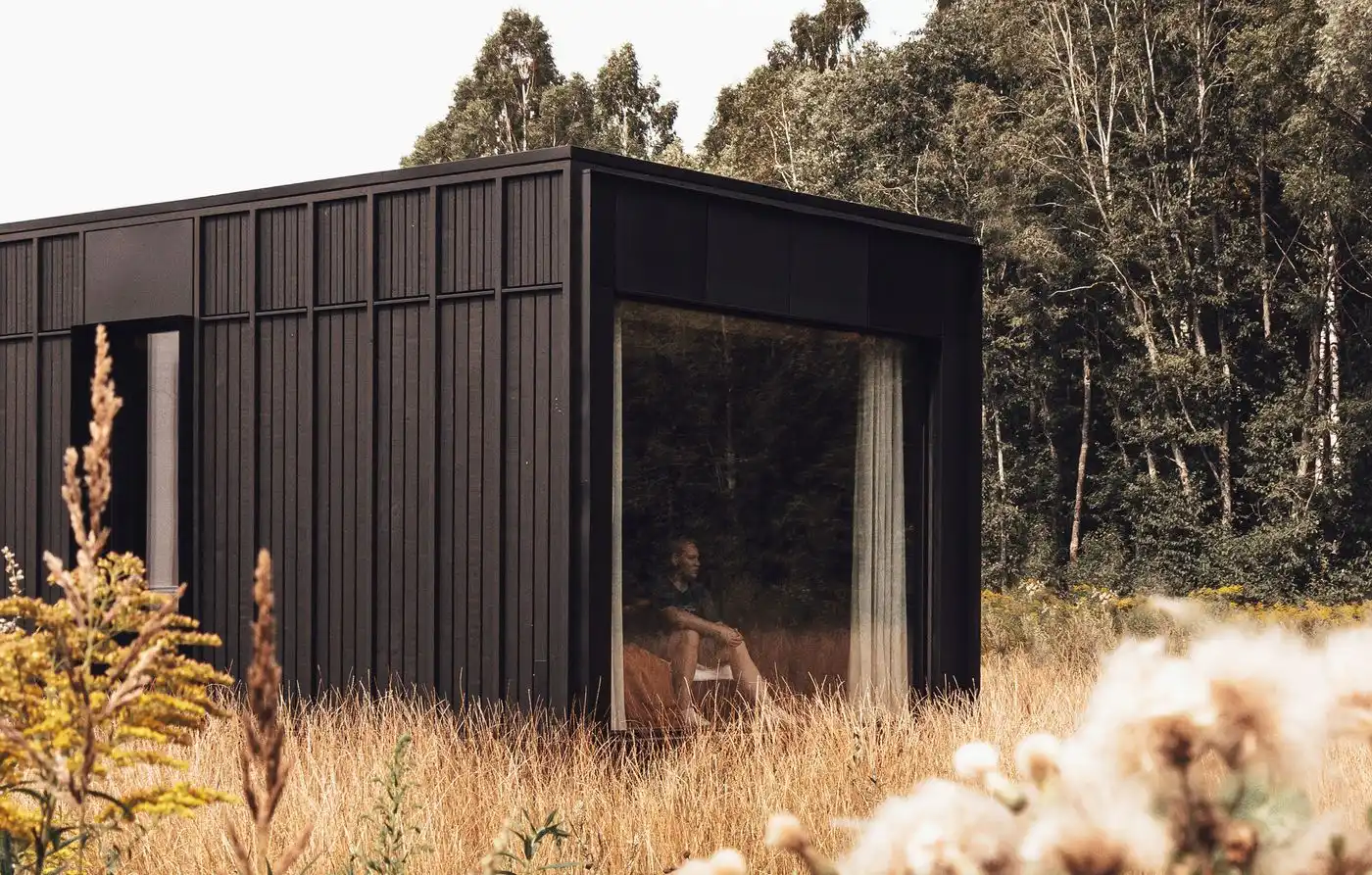
Nokken Hotel Cabins (Modular, Off-Grid Retreats) is a newer modular retreat concept focusing on eco design.
Details & Features:
These cabins are made of timber and eco materials, designed for off-grid connectivity with solar panels, rainwater systems, and modular layouts.
Cabins can connect or stand separately, allowing families to configure layouts as desired.
Why It Works for Families:
-
Modular design lets families scale siblings, parents, and grandparents with adjacency and privacy.
-
Off-grid design means nature immersion, but modern amenities like connectivity, comfort, and safety systems.
-
The clean, minimalist aesthetic suits all ages and reduces maintenance challenges.
Use Cases: What Problems These Lodges Solve & Why Families Need Them
Problem: Varying Mobility & Stamina Across Generations
Older family members may tire faster or struggle with steep trails. A lodge that designs gentle terrain, close lodging, and accessible pathways ensures everyone can experience nature without exclusion or discomfort.
Problem: Generational Conflict Over Activities
Teens may want adventure, seniors may prefer leisure. Eco-lodges often offer tiered or parallel options: guided hikes, bird watching, cultural workshops, or quiet reading spaces. Families can split activities but reconvene easily since the lodge is centrally located.
Problem: Education & Engagement
Kids, middle-aged adults, and elders have different motivations. Eco-lodges offer interpretive guides, storytelling sessions, or hands-on conservation work. That keeps everyone engaged, bridging the generational interest gap.
Problem: Environmental Guilt or Disconnect
Many families want their vacation to leave a positive impact. Staying in an eco-lodge gives purpose: the lodge’s conservation efforts, community support, and sustainable operations align with conscious family travel goals. Kids learn, elders feel fulfilled, and the whole household shares meaningful values.
Problem: Logistical Complexity
Booking multiple hotels to fit all requirements (senior access, family size, eco credentials) is tedious. Choosing a well-reviewed sustainable lodge that supports multigenerational travel simplifies planning: one booking, one environment, one consistent support team.
How to Choose, Book & Purchase Sustainable Family Eco-Lodges
Step 1: Search with the Right Keyword
Use “sustainable multigenerational family holiday eco-lodges” when browsing eco travel platforms, green lodging directories, and sustainable tourism networks.
Step 2: Check Certification & Authenticity
Validate eco claims: look for recognized certifications (e.g., Green Globe, EarthCheck, GSTC) or detailed transparency about energy/water/waste policies. Avoid vague “eco-friendly” claims with no evidence (greenwashing risk).
Step 3: Inspect Accessibility & Generational Suitability
Ask for walking path grades, proximity to rooms, availability of single-level lodging, safety railings, rest benches, and child-friendly features. Ensure the lodge can accommodate children (high chairs, family cabins) and seniors (ramps, seating).
Step 4: Accommodation Layout & Privacy
Confirm that family groupings can be accommodated in interconnected units or clusters. Ensure communal meeting spaces without forcing families to crowd.
Step 5: Services & Activities
Review the lodge’s available activities for all ages (nature walks, storytelling, cultural programs, wildlife viewing) and any extra services (children’s club, elder assistance, guided tours).
Step 6: Booking Terms & Packages
Many eco-lodges offer inclusive packages (meals, transfers, guided tours). Compare what is included and what is extra. Watch cancellation policies and deposit requirements.
Step 7: Pay & Secure Reservation
Use secure payment systems. Many eco-lodges accept credit cards or bank transfers. Keep detailed reservation confirmations, including those activity and access details.
Step 8: Pre-Arrival Communication
Share family details (ages, mobility, dietary needs, interests) so the lodge team can prepare and adjust housing, paths, or meals. This ensures the experience is tailored for all generations.
Step 9: Arrival Walkthrough & Adjustment
Once on site, walk the property with the family (especially elders or kids) to identify challenges. Request adjustments (e.g., furniture move, extra grip rails, transport within the property) before settling in.
Maximizing the Benefits: Tips & Strategies
-
Stay longer in one eco-lodge rather than hopping frequently. This reduces carbon footprint and allows deeper immersion and relaxation for all generations.
-
Engage in lodge conservation or community programs as a family, plant trees, participate in cleanups, or help in the lodges’ organic gardens.
-
Balance activity vs rest schedule, gentle mornings, and optional afternoon adventures so no one is overwhelmed.
-
Use technology wisely, download trail guides, species identification apps, or lodge apps in advance to engage younger members while elders enjoy guided walking.
-
Emphasize intergenerational sharing, encourage elders to tell stories, local guides to involve grandchildren, and teens to help document the trip (photography, journaling).
-
Pack thoughtfully, bring walking aids, first-aid essentials, insect protection, and sustainable gear (reusable bottles, eco toiletries) to match the lodge ethos.
-
Leave no trace mentality instills in all members the importance of minimal impact in natural settings consistent with the lodge’s values.
Frequently Asked Questions
Q1: How do I know the eco-lodge is truly sustainable and not just marketing?
Look for specific, verifiable eco practices solar or renewable energy systems, water recycling, waste composting, use of local materials, and third-party eco certifications. Ask for a sustainability report or detailed practices instead of vague phrases like “green vibes.”
Q2: Are eco-lodges suitable for seniors with mobility issues?
Many are, provided you ask for appropriate lodging in advance. Choose lodges with flat paths, minimal steps, room placement near services, handrails, and shuttle services within the property. Confirm these details before booking and request accommodations for ease of movement.
Q3: Is it much more expensive to stay in an eco-lodge vs conventional resorts?
It can cost more, particularly in remote or high-conservation areas. But many eco-lodges offer inclusive pricing and value by bundling transfers, meals, guides, and conservation fees. When comparing as a family group, the cost-per-person differential may be less than expected, plus the experiential, ethical, and educational benefits often justify the premium.