Zero Waste Family Vacation Guide – Plan & Book Sustainable Trips
The Mindset & Core Principles of Zero Waste Family Travel
To successfully execute a zero-waste family holiday, it’s not only about gear or checklists. It begins with the mindset of reduce, reuse, recycle, rot (the 5 Rs, popularized by Béa Johnson).
Adopting a Low-Waste Travel Mindset
Before you pack a single item, shift your mindset. Recognize you won’t achieve zero waste perfectly; some waste is inevitable in transit or remote regions. But aim for minimal waste, prioritizing refusal of single-use items, reducing what you bring, reusing what you can, recycling when possible, and composting organic waste when available.
Start your planning by asking:
-
What single-use items am I likely to encounter (plastic water bottles, packaged snacks, disposable toiletries)?
-
Which of them can be replaced by a reusable alternative?
-
Where along the travel chain (airport, transit, accommodation, excursions) are your biggest waste risk points?
By anticipating pitfalls, you can preemptively design your trip to avoid them.
The 5-Step Waste Hierarchy in Travel Context
-
Refuse: Say “no” to freebies, plastic straws, disposable utensils, and extra packaging.
-
Reduce: Pack lighter, bring multipurpose items, and avoid unnecessary gadgets.
-
Reuse: Carry durable bottles, cloth bags, reusable containers.
-
Recycle: Where recycling infrastructure exists, sort and deposit properly.
-
Rot / Compost: When organic waste is separable and composting is available, use it.
This hierarchy shapes decisions from packing to dining to lodging.
Benefits of Embracing a Zero Waste Family Vacation
Choosing this path brings tangible benefits beyond the feel-good aspect. Let’s explore how it enhances your experience and legacy.
Environmental and Ethical Impact
By reducing single-use plastic, minimizing waste output, supporting local sourcing, and choosing eco-friendly accommodations, your family significantly lowers your footprint. This helps preserve ecosystems, reduce pollution, and support communities where you travel.
When children see these practices in action, it fosters environmental awareness and lifelong values.
Cost Efficiency & Less Waste Over Time
Though sustainable gear may have an upfront cost, over the trip, you avoid waste-related expenses (single-use bottles, packaged snacks, disposable items). You’ll likely discard less, buy less, and manage spending more intentionally.
Educational & Empowering for Kids
Kids observing or participating in zero waste practices—refusing plastic, sorting compost, refill stations—turn the vacation into experiential learning. This is far more memorable than passive sightseeing. It gives children agency in sustainability.
Elevated Quality of Travel Experience
Less clutter, less trash, more purposeful decisions, and deeper mindful presence. These qualities often lead to calmer, more meaningful travel. You engage more deeply with your surroundings, rather than being distracted by waste or regret.
Reputation & Long-Term Influence
By posting about or recommending zero-waste family travel, you contribute to wider awareness. Your trip becomes part of a movement. Travel businesses will notice demand, shifting offerings. In the long run, your choices help transform tourism standards.
Preparing Your Family for a Zero Waste Vacation: Practical Pre-Trip Steps
Transitioning your family toward a zero-waste vacation requires preparation long before departure. Begin by conducting a home waste audit to identify which disposable items you rely on most: plastic bottles, food wrappers, or toiletries. Then, start replacing them with reusable alternatives weeks before your trip. This helps children get used to using refillable bottles, reusable lunch bags, and bamboo utensils so that sustainable habits feel normal while traveling. Planning early ensures a smoother, low-stress journey and avoids last-minute purchases that often create more waste. Once your family feels confident in these habits, it’s time to explore the best zero-waste travel tools to take on your adventure.
Essential Zero Waste Travel Products for Families
To support your low-waste family vacation, here are several real products (tools) you can purchase to reduce waste. For each, I’ll explain how they help, use cases, and how/where to buy.
1. Ola Bamboo 5 Pc Travel Utensil Kit
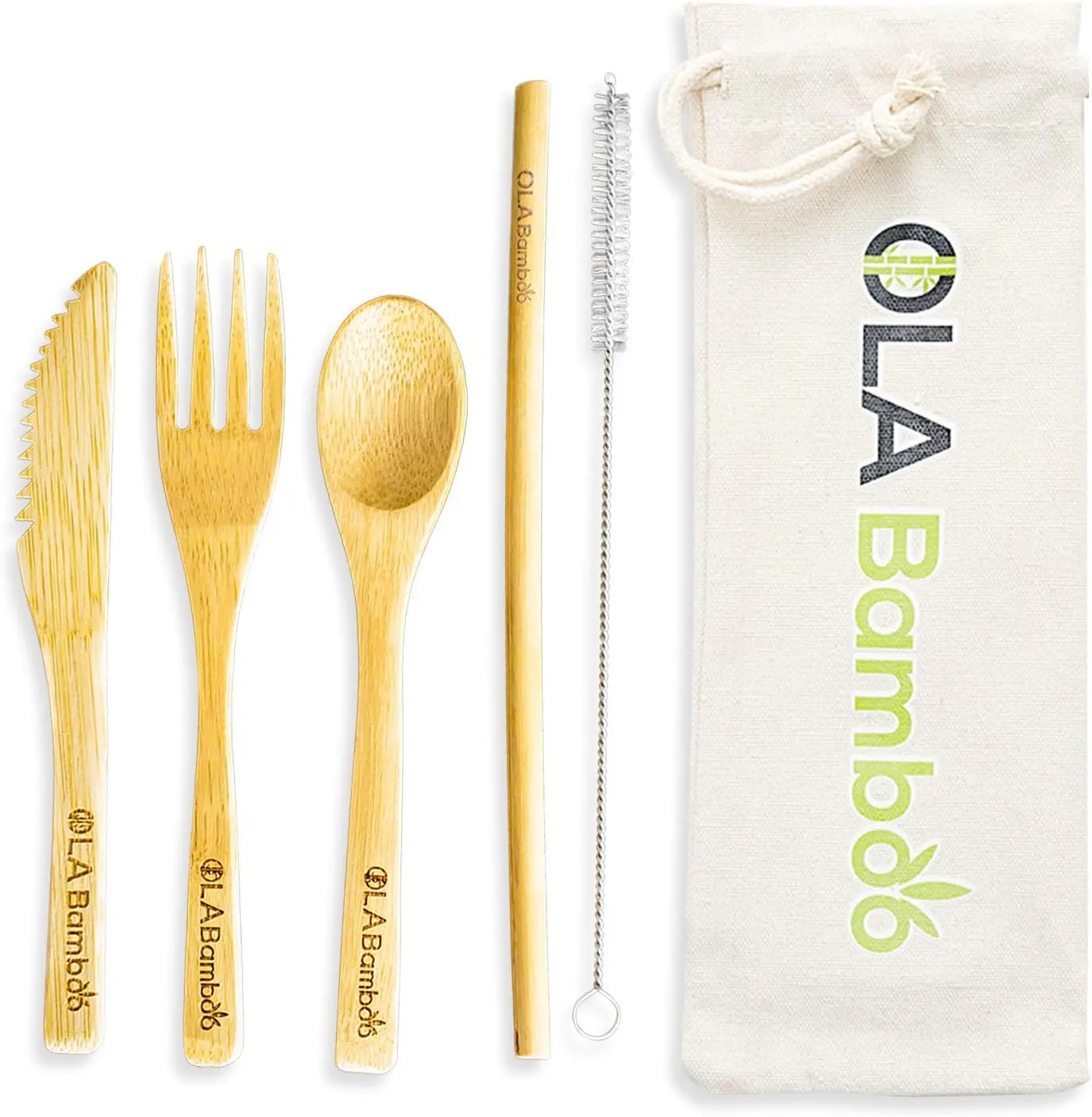
Ola Bamboo Travel Utensil Kit. This kit includes a set of reusable bamboo utensils (fork, spoon, knife, chopsticks, straw) housed in a compact bamboo case. The materials are biodegradable, lightweight, and durable. The bamboo is naturally antimicrobial, and the set is ideal for travel.
Benefit & Use Cases
-
Replace single-use plastic cutlery during meals, picnics, or street food stops.
-
Ideal for family outings, airport meals, or snack times.
-
Helps avoid plastic utensils that often end up in landfills or oceans.
Why Families Need It
Kids may request food while exploring, and many street vendors provide plastic forks or spoons. With this kit, your children can safely eat their food without contributing to waste. Durable and portable, it’s a long-term tool for sustainable dining.
How & Where to Buy
You can order this kit from online marketplaces (e.g, eBay, sustainable goods stores).
2. ScalQ Travel Kit Zero Waist Travel Toiletries
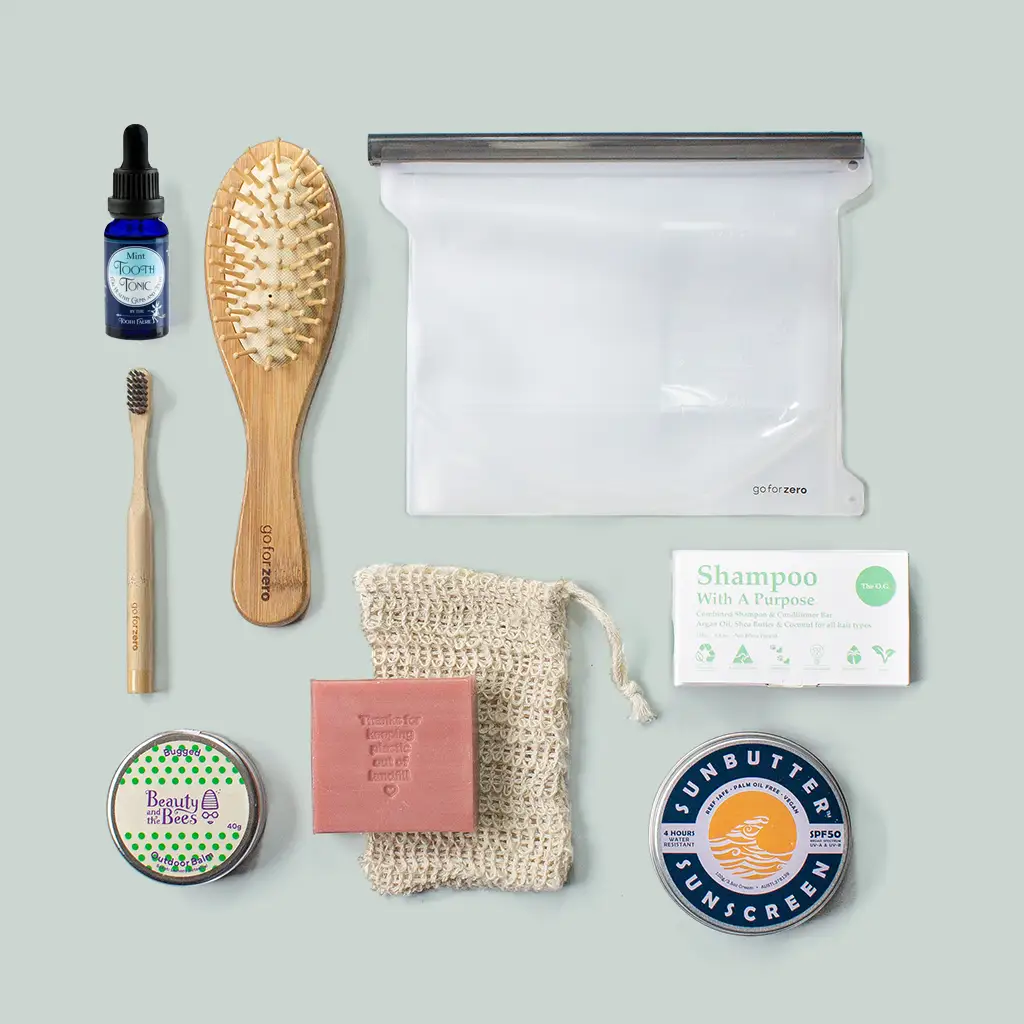
ScalA Zero Waste Travel Toiletries. This is a travel toiletries kit designed for zero waste. It likely includes refillable containers, solid shampoo bars, soap bars, or low-waste packaging. The kit is compact and engineered to reduce liquid bottles.
Benefit & Use Cases
-
Replace hotel mini liquid toiletries that come in plastic bottles.
-
Ideal for hand soap, shampoo, conditioner, lotion in solid or refillable format.
-
Helps reduce plastic packaging waste.
Why Families Need It
Children often generate small waste (toothpaste tubes, mini shampoo bottles). This kit consolidates essentials into zero-waste forms, reducing the burden of managing multiple disposable bottles mid-trip.
How & Where to Buy
Available via the supplier (W Concept listing above).
3. Kala Gift Set Eco Friendly Sustainable Travel Lunch Bag & Cutlery
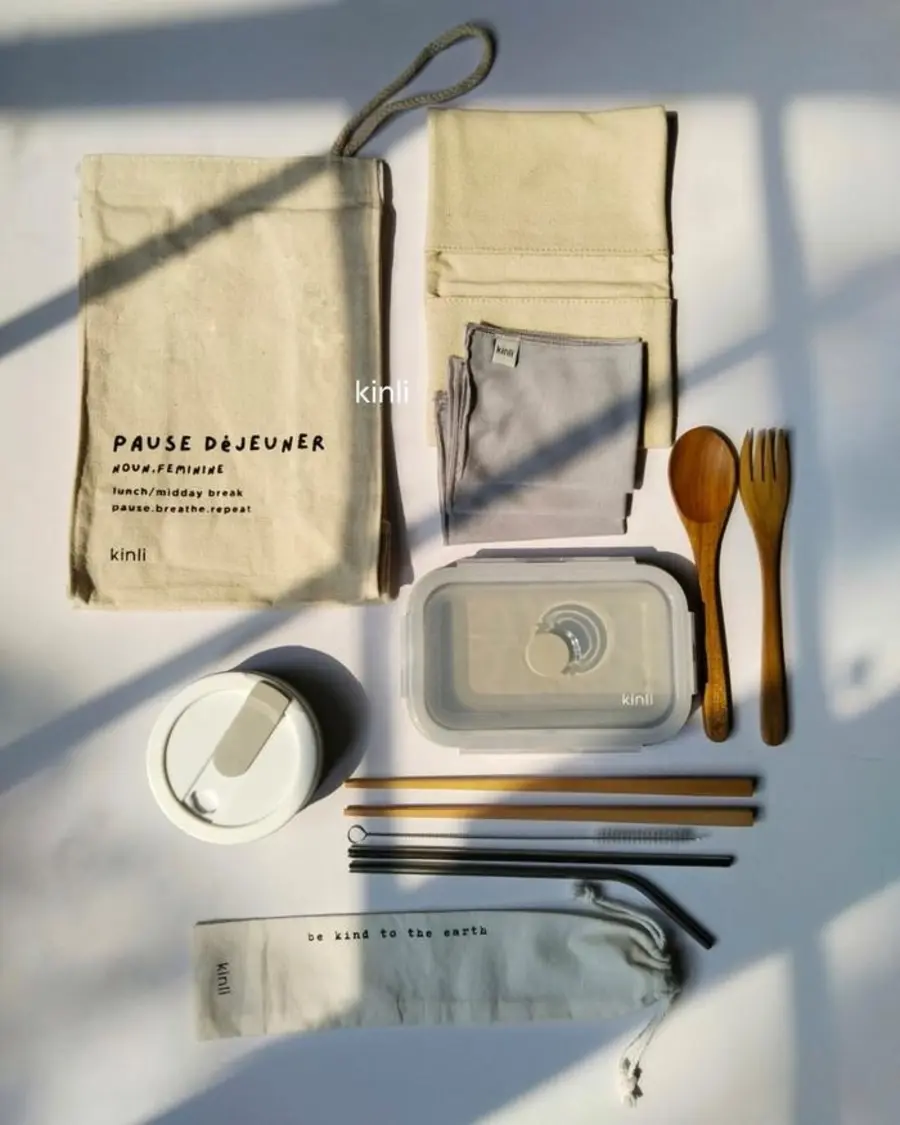
Kala Gift Set Eco Friendly Sustainable Travel Lunch Bag & Cutlery. This set includes a reusable lunch bag and a matching cutlery set, designed for sustainable travel. The base is likely to be insulated or durable fabric, with compartments, and the cutlery is possibly in bamboo or stainless steel.
Benefit & Use Cases
-
Use for packing lunches or snacks during day trips to reduce reliance on disposable packaging.
-
Great for children to bring their own safe snacks instead of grabbing packaged foods.
-
Encourages mindful food consumption and waste reduction.
Why Families Need It
When exploring, the temptation to purchase pre-wrapped snacks is high. With this lunch bag set, your family can carry home-prepped, minimal-waste meals. Also, it helps kids learn self-reliance and sustainability.
How & Where to Buy
Available via the list.
4. Zero Waste Pouch Set – Red Corduroy
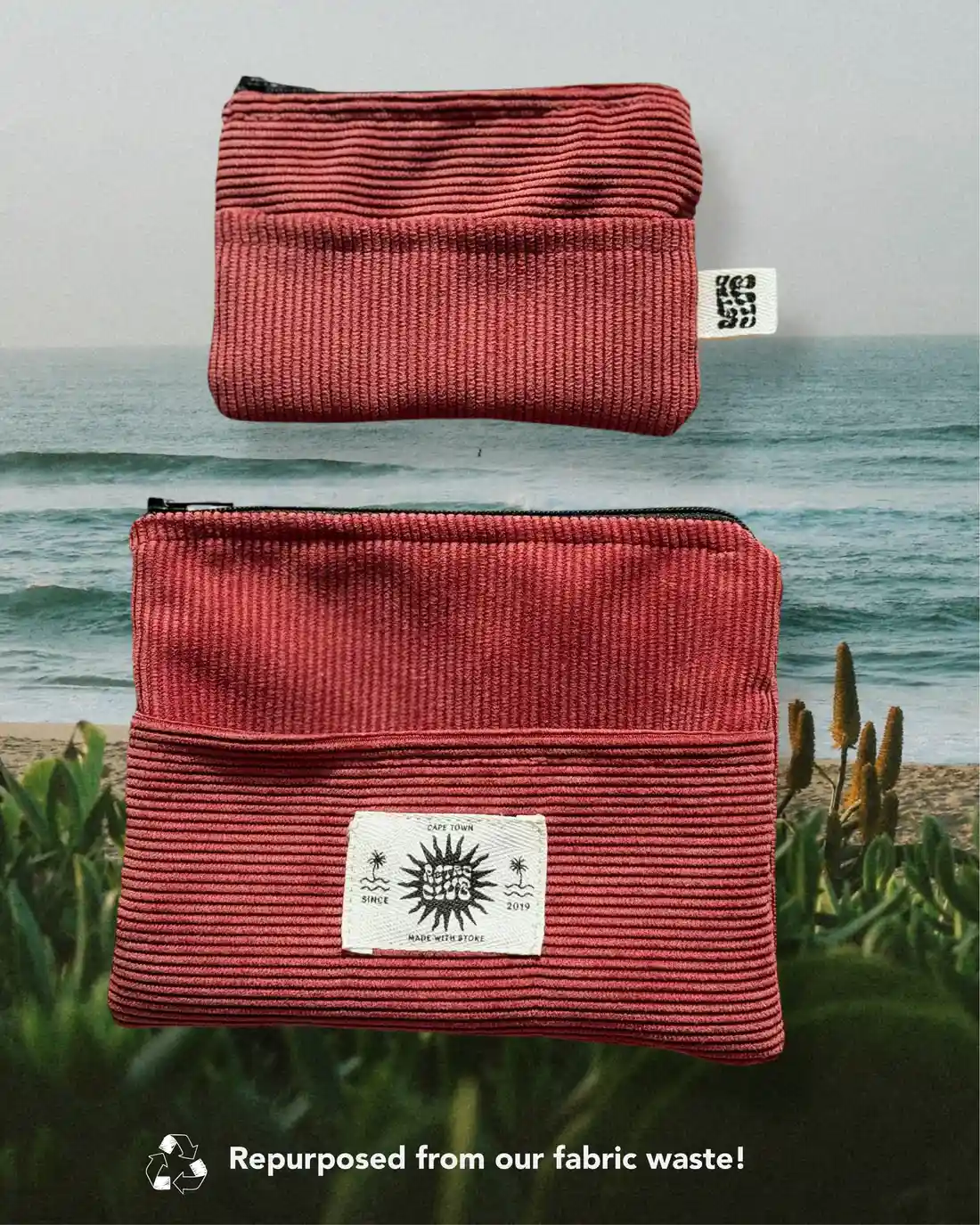
Zero Waste Pouch Set is a collection of fabric pouches (multiple sizes) made of corduroy or cloth, intended to replace plastic zip bags, snack bags, toiletry pouches, and more.
Benefit & Use Cases
-
Pack snacks, toiletries, chargers, or small items without disposable plastic bags.
-
Organize children’s items (snacks, pencils, small toys).
-
Reusable and washable items minimize single-use plastics.
Why Families Need It
Parents often carry many small items. Disposable zip-lock bags accumulate and get discarded. These pouches are durable and reduce the waste footprint of organizing gear.
How & Where to Buy
Available via Retro Club online.
5. Använda Travel Kit
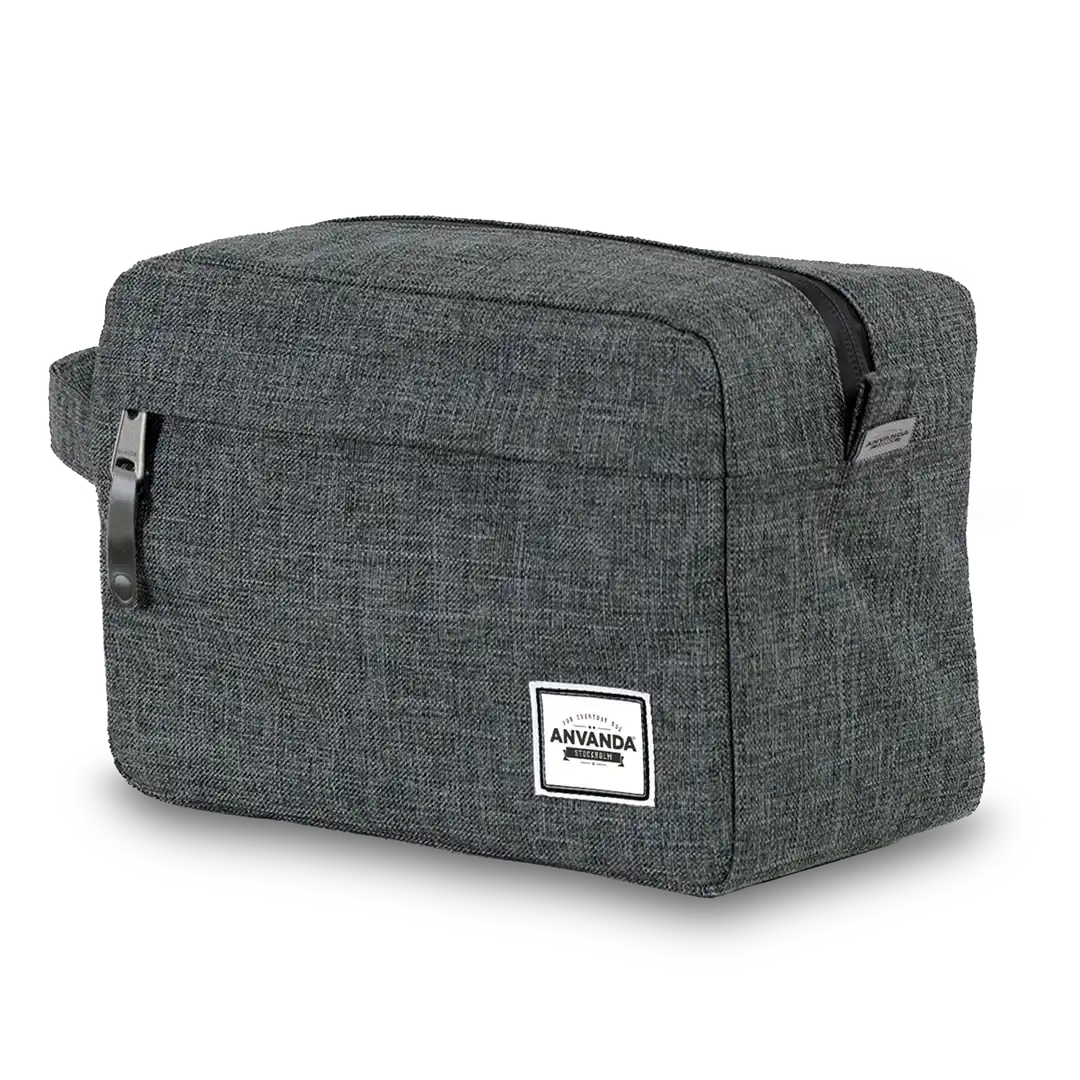
The Använda Travel Kit offers a minimalist, reusable travel container set with solid soap, compact containers, and a clever design for low-waste travel routines.
Benefit & Use Cases
-
Consolidate personal toiletries in reusable containers.
-
Avoid disposable bottles and plastic wrapping.
-
Useful for family travel to maintain consistency in waste reduction across all travelers.
Why Families Need It
Maintaining a zero-waste standard across all family members is easier when everyone uses standardized kits. This reduces confusion, duplicates, and accidental waste.
How & Where to Buy
Available via Använda’s store. Use a purchase link:
How These Tools Solve Travel Problems & Why They Matter
Problem: Single-Use Plastic Overload
When traveling, small purchases (water bottles, cutlery, snack packaging) add up. These products give you durable alternatives that drastically reduce daily waste.
Problem: Disorganization & Duplicate Items
Families often bring redundant plastic bags, wrappers, and containers. The pouch set and lunch bag help consolidate and reuse items, preventing duplication and waste.
Problem: Difficult Waste Sorting
In many destinations, local recycling or waste infrastructure is limited. By bringing reusable tools, you avoid generating waste in the first place, less reliance on local disposal systems.
Problem: Habit Disruption
Travel disrupts routines. Having your own familiar zero-waste tools ensures you don’t fall back into default disposable habits mid-trip.
Why Families Need Them
Because children’s routines (snacks, drinks, meals) generate frequent waste, having durable, reusable alternatives across the trip gives parents control and consistency. It also models sustainable behavior to children.
Step-by-Step Zero Waste Family Vacation Planning & Execution
Here’s how to turn the zero-waste mindset and tools into a full family holiday plan.
1: Destination & Accommodation Selection
-
Choose destinations with accessible refill stations, bulk shops, and eco-conscious local communities.
-
Select lodgings that support sustainability (refillable amenities, composting, waste sorting).
-
Verify availability of water refill stations, recycling bins, composting, and low-waste policies.
-
Prefer locations where walking, cycling, or public transport is viable.
2: Packing with Intention
-
Use a master packing list centered on zero-waste tools (kits listed above).
-
Pack multipurpose clothing and travel laundry supplies to reuse rather than disposable items.
-
Bring reusable food containers, snack bags, and cloths.
-
Use refillable containers for shampoo, soap, lotion (or solid bar alternatives).
-
Use cloth shopping/produce bags.
Plan for contingencies: local refill shops, backup containers, repair kits (needle, thread, tape).
3: In-Transit Practices
-
Use refillable water bottles; avoid buying bottled water where possible.
-
Bring your cutlery kit to avoid eating with disposables during transit.
-
Carry snacks in reusable containers rather than buying packaged snacks.
-
Opt for digital tickets and avoid printed receipts.
-
On planes/trains, decline disposable cups, plastic straws, wrappers, and ask for alternatives.
4: Dining & Food Choices
-
Favor restaurants that allow BYO containers or support refill-dish culture.
-
Opt for local markets or bulk food shops rather than packaged supermarket goods.
-
Order minimal packaging and refuse unnecessary wrappers or condiments in plastic sachets.
-
If leftovers arise, carry reusable containers for storage rather than accepting plastic containers.
5: Waste Management On-Site
-
At accommodation, request fewer daily housekeeping services to reduce linen/waste usage.
-
Use in-room bins for recyclables and compostables, and separate trash accordingly.
-
Participate (if available) in hotel or lodging composting or waste sorting systems.
-
If disposing of organic waste, compost it if allowed; otherwise, minimize generation.
-
When excursions are offered, refuse plastic water bottles, carry refillable ones, and ask for refills.
6: Post-Trip Follow-up & Reflection
-
Document your waste output (e.g., one small bag of trash) and celebrate the reduction.
-
Share your practices in reviews or blogs to promote sustainable travel.
-
Repair or reuse items from the trip rather than discarding them.
-
Encourage children to reflect: “What did we reuse? What surprised us?”
Frequently Asked Questions (FAQ)
Q1: Is true zero waste realistic while traveling with kids?
A1: Achieving zero waste is extremely difficult, especially in transit or in destinations with limited infrastructure. But “zero waste” in travel means as little waste as possible, focusing on minimizing single-use items and making intentional choices. Many seasoned zero-waste families accept some residual waste but dramatically reduce the overall footprint.
Q2: How do we manage liquids like shampoo and soap under airline restrictions?
A2: Use solid shampoo and soap bars (packed in metal tins) or refillable containers under airline liquid limits. Pack them in checked baggage if needed. Alternatively, many zero-waste kits include compliant mini-refill containers or solid alternatives.
Q3: What if the destination lacks recycling or compost infrastructure?
A3: In that case, prioritize refuse, reduce, and reuse. Avoid generating waste you can’t manage. Use products you can carry home for proper disposal. Rely less on recyclable packaging and more on durable tools. Also, support destinations with better infrastructure in the future.